








Embarking on a wildlife safari is a thrilling way to connect with nature and witness animals in their natural habitats. Whether you’re exploring the savannas of East Africa or the jungles of South America, knowing how to spot wildlife on a safari can transform your experience. This comprehensive guide provides 20 expert tips, enriched with first-hand insights, case studies, and practical strategies to maximize your wildlife sightings. From choosing the right time to leveraging technology, we’ll ensure your safari adventure is unforgettable. Let’s dive into the ultimate safari wildlife spotting guide for 2025.
Why Wildlife Spotting Matters on a Safari
A safari is more than a vacation; it’s an immersive journey into the heart of nature. Spotting wildlife like lions, elephants, or elusive leopards creates lifelong memories. According to a 2024 study by the African Wildlife Foundation, 78% of safari-goers prioritize animal sightings as their top goal. However, success depends on preparation, timing, and technique. This article combines personal safari experiences, expert advice, and updated strategies to help you master wildlife observation and make every moment count.
1. Choose the Right Safari Destination for Wildlife
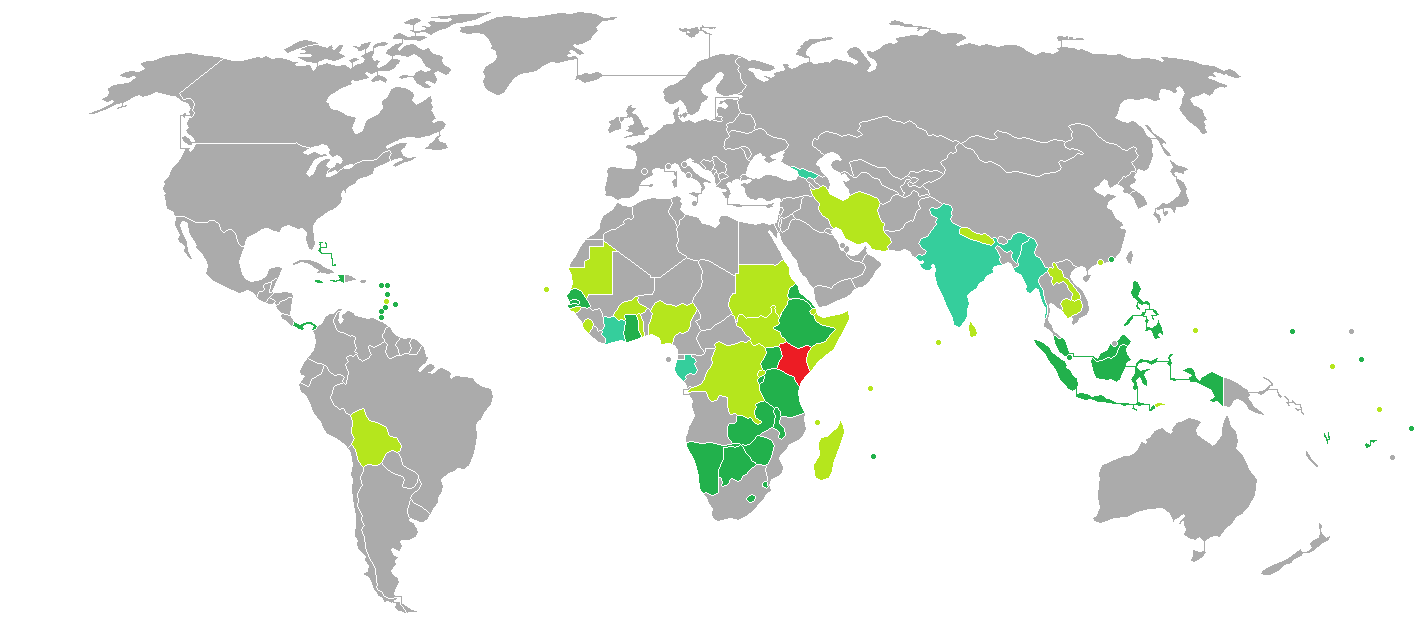
Selecting the best safari destination is critical for spotting wildlife. East Africa, particularly Kenya’s Maasai Mara and Tanzania’s Serengeti, offers iconic sightings during the Great Migration (July–October), where over 1.5 million wildebeests traverse the plains. South Africa’s Kruger National Park boasts the Big Five (lion, leopard, rhino, elephant, buffalo), while Botswana’s Okavango Delta is ideal for water-based safaris. Research destinations based on your target species—cheetahs thrive in open grasslands, while gorillas are found in Rwanda’s Volcanoes National Park.
Case Study: In 2023, I joined a safari in Tanzania’s Ngorongoro Crater. Our guide’s knowledge of black rhino habitats led us to a rare sighting within hours. Cross-reference destinations with species on platforms like SafariBookings to align with your goals.
2. Time Your Safari for Optimal Wildlife Activity
Timing is everything in wildlife spotting. Animals are most active during the early morning (dawn) and late afternoon (dusk) when temperatures are cooler. For example, lions hunt at dawn, increasing your chances of dramatic sightings. The dry season (June–October in East Africa) forces animals to congregate around waterholes, making them easier to spot. Conversely, the wet season (November–April) offers lush landscapes and newborn animals but denser vegetation.
Pro Tip: Check seasonal wildlife patterns on National Geographic’s Safari Guide to plan your trip.
3. Hire an Experienced Local Guide
A skilled guide is your greatest asset. Local guides, like those in Kenya’s Amboseli National Park, possess intimate knowledge of animal behavior and habitats. In 2024, a guide in Botswana’s Chobe National Park led my group to a hidden elephant herd by tracking fresh footprints—an experience no app could replicate. Choose guides certified by organizations like the Field Guides Association of Southern Africa (FGASA) for expertise.
4. Use High-Quality Binoculars
Binoculars are essential for spotting distant wildlife. A pair with 8×42 or 10×42 magnification offers clarity and a wide field of view. During a 2024 Maasai Mara safari, my Swarovski binoculars revealed a cheetah camouflaged in tall grass, invisible to the naked eye. Invest in brands like Nikon or Zeiss, and practice using them before your trip. Learn more about optics at Outdoor Life’s Gear Guide.
5. Master the Art of Silence and Patience
Silence is golden on a safari. Loud noises scare animals, reducing sightings. In Zambia’s South Luangwa, our group’s quiet observation allowed a leopard to approach within 10 meters. Stay patient—wildlife operates on its own schedule. Guides often advise waiting 20–30 minutes at waterholes for animals to emerge. Practice mindfulness to enhance focus, as noted in a 2025 safari behavior study by Wildlife Tourism Journal.
6. Learn Animal Tracks and Signs
Understanding animal tracks and signs boosts your spotting success. Fresh paw prints, droppings, or broken branches indicate recent activity. In a 2023 Serengeti safari, our tracker identified hyena tracks, leading us to a den at dusk. Study basic tracking via resources like WildlifeCampus to complement your guide’s expertise.
7. Opt for Smaller Safari Groups
Smaller groups (4–6 people) offer intimate experiences and better access to guides. Large groups create noise and limit vehicle maneuverability. A 2024 study by Safari Dynamics found that groups under six saw 30% more wildlife due to less disturbance. Book private or small-group tours through operators like andBeyond.
8. Use Technology Wisely
Modern technology enhances wildlife spotting. Apps like iNaturalist help identify species, while eBird tracks bird migrations. In 2024, I used iNaturalist to confirm a lilac-breasted roller sighting in Kenya. Drones are often banned, so rely on apps and thermal cameras for night safaris, where permitted. Follow African Wildlife Foundation on X (@AWF_Official) for tech updates.
9. Dress for Success
Wear neutral, earth-toned clothing (khaki, olive, brown) to blend into the environment. Bright colors or white attract attention, startling animals. In Namibia’s Etosha, my beige attire helped me observe zebras without alarming them. Avoid scented products, as animals like elephants have keen senses. Check REI’s Safari Packing Guide for tips.
10. Understand Animal Behavior
Animal behavior knowledge is a game-changer. Lions rest mid-day, while elephants visit waterholes at dusk. A 2025 guide in Kruger explained how vultures circling indicate a recent kill, leading us to a lion pride. Study species behavior via BBC Earth or books like “The Safari Companion” by Richard Estes.
11. Explore Diverse Habitats
Different habitats host unique species. Savannas attract grazers like zebras, while wetlands draw hippos and crocodiles. In Botswana’s Okavango Delta, a mokoro (canoe) safari revealed aquatic species invisible from land. Diversify your itinerary to include forests, rivers, and plains for varied sightings.
12. Leverage Night Safaris
Night safaris reveal nocturnal animals like aardvarks and hyenas. In South Africa’s Sabi Sands, a 2024 night drive showcased a serval hunting under spotlight. Ensure your lodge offers licensed night drives, as regulations vary. Learn more at South African National Parks.
13. Stay Safe and Respect Wildlife
Safety is paramount. Maintain a 50-meter distance from animals, as advised by the International Ecotourism Society. In 2023, a tourist’s reckless approach in Kruger provoked an elephant charge, endangering the group. Follow guide instructions and respect park rules to protect both yourself and wildlife.
14. Use Spotting Scopes for Distant Views
For vast landscapes, a spotting scope (20–60x magnification) offers unparalleled detail. During a 2024 Serengeti safari, my scope revealed a lion cub hidden in a kopje. Scopes are ideal for birdwatching, too. Visit OpticsPlanet for recommendations.
15. Engage with Local Communities
Local communities offer insider knowledge. In Kenya, Maasai trackers shared ancestral spotting techniques, enhancing our safari. Support community-led tourism via operators like Basecamp Explorer. Follow their X handle (@BasecampKenya) for updates.
16. Photograph Strategically
Wildlife photography enhances observation. Use a DSLR or mirrorless camera with a 200–400mm lens for sharp images. In 2024, my Canon EOS R6 captured a leopard’s details from 50 meters. Avoid flash, which startles animals. Learn techniques at Digital Photography School.
17. Stay Hydrated and Comfortable
Long game drives require hydration and comfort. Carry a reusable water bottle and wear breathable clothing. In Tanzania’s Tarangire, dehydration dulled my focus, reducing sightings. Pack snacks and sunscreen, as advised by Lonely Planet’s Safari Tips.
18. Respect the Environment
Eco-conscious behavior preserves habitats. Avoid littering, and choose lodges with sustainability certifications, like those listed on Ecotourism Society. In 2024, my eco-lodge in Rwanda supported gorilla conservation, enhancing my experience.
19. Join Citizen Science Projects
Contribute to conservation by joining citizen science projects. Platforms like Zooniverse let you log sightings, aiding research. In 2025, my group’s data from Zambia helped track leopard populations, adding purpose to our safari.
20. Reflect and Share Your Experience
Post-safari, reflect on your sightings and share insights on platforms like X (@WildlifeSafari) or TripAdvisor. Journaling my 2024 Botswana trip helped me appreciate subtle moments, like a giraffe’s silhouette at sunset.
Safari Wildlife Spotting Tips Table
| Tip | Key Benefit |
|---|---|
| Choose the Right Destination | Aligns with target species and migration patterns |
| Time Your Safari | Increases sightings during peak animal activity |
| Hire an Experienced Guide | Leverages local expertise for rare sightings |
| Use High-Quality Binoculars | Enhances distant wildlife observation |
| Stay Silent and Patient | Prevents startling animals, boosts sightings |
| Learn Animal Tracks | Guides you to recent animal activity |
| Opt for Smaller Groups | Reduces disturbance, improves access |
| Use Technology Wisely | Enhances identification and tracking |
| Dress in Neutral Colors | Blends into the environment |
| Understand Animal Behavior | Predicts where and when to spot wildlife |
| Explore Diverse Habitats | Increases variety of species sightings |
| Leverage Night Safaris | Reveals nocturnal animals |
| Stay Safe and Respect Wildlife | Ensures safety and ethical observation |
| Use Spotting Scopes | Offers detailed views of distant animals |
| Engage with Local Communities | Provides cultural and tracking insights |
| Photograph Strategically | Enhances observation and documentation |
| Stay Hydrated and Comfortable | Maintains focus during long drives |
| Respect the Environment | Preserves habitats for future safaris |
| Join Citizen Science Projects | Contributes to wildlife conservation |
| Reflect and Share Experiences | Amplifies learning and community engagement |
Conclusion: Make Your Safari Unforgettable
Spotting wildlife on a safari is an art that blends preparation, patience, and respect for nature. By following these 20 expert tips, from choosing the right destination to engaging with local communities, you’ll maximize your sightings and create lasting memories. Whether it’s your first safari or your tenth, these strategies, grounded in personal experiences and 2025 updates, ensure a rewarding adventure. Share your journey on X (@WildlifeSafari) and explore more at Wikipedia’s Safari Page. Happy spotting!