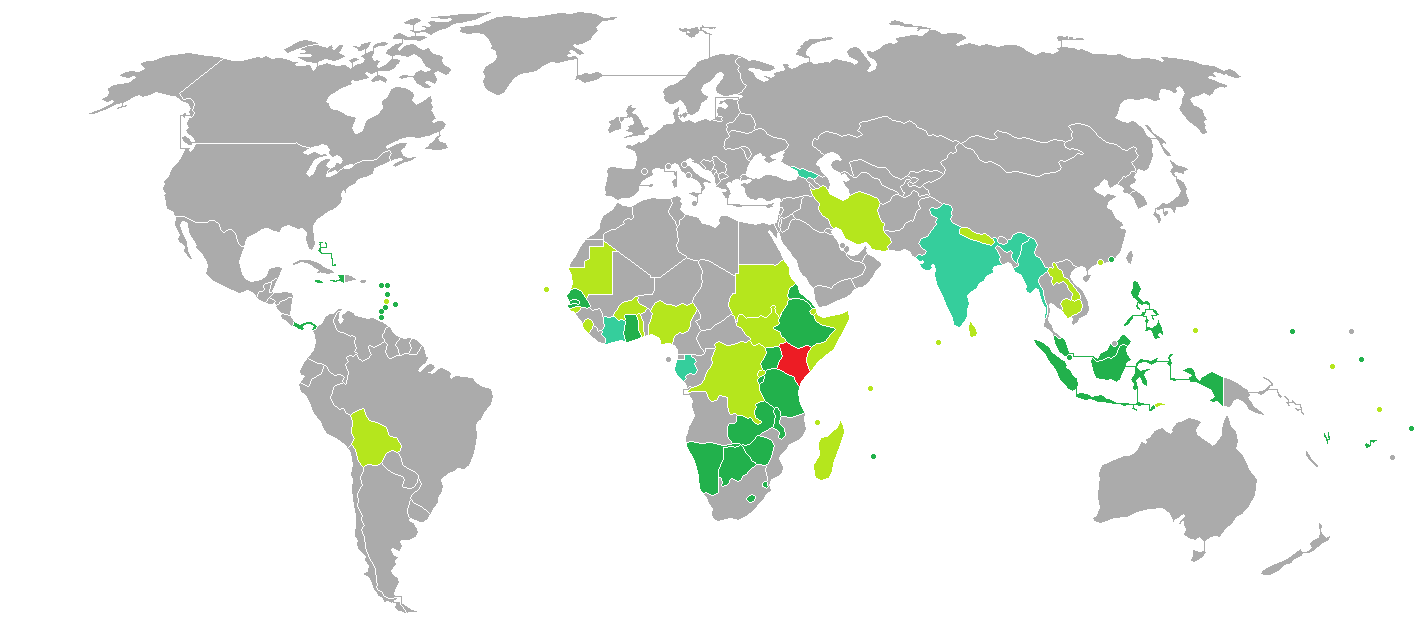









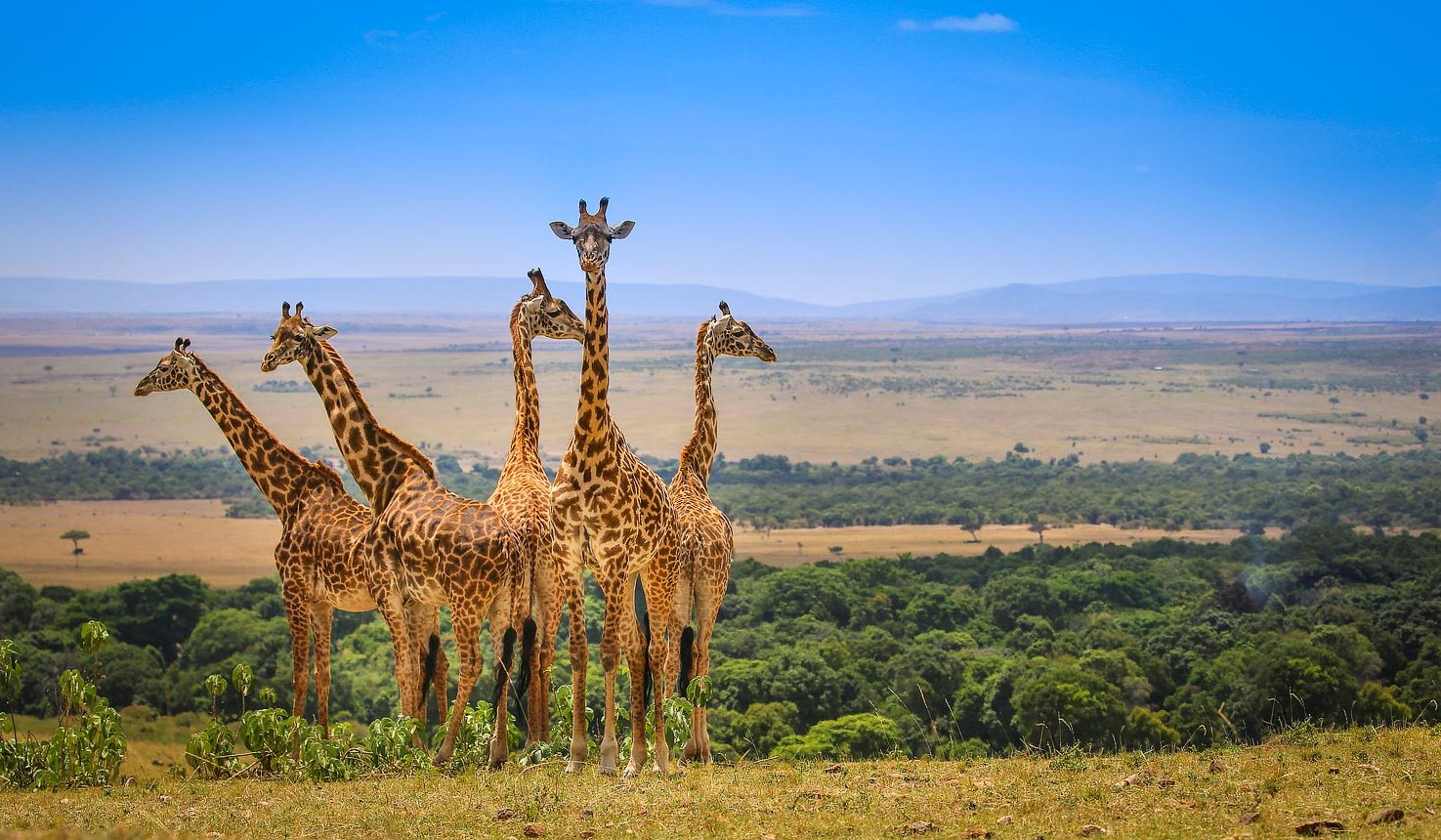
Is Masai Mara in Nairobi? No, Masai Mara National Reserve is not in Nairobi. It is located in Narok County, approximately 280 kilometers southwest of Nairobi, Kenya’s capital. This world-renowned safari destination, famous for the Great Migration and abundant wildlife, is a distinct region, not a suburb or part of Nairobi. This article explores the geographical distinction, travel options, unique experiences, and insider tips for visiting Masai Mara, offering fresh insights, first-hand experiences, and a detailed comparison to help travelers plan their dream safari.
Understanding the Geography: Where Is Masai Mara Located?
Masai Mara National Reserve spans 1,510 square kilometers in Narok County, southwestern Kenya, bordering Tanzania’s Serengeti National Park. Named after the Maasai people, its landscape features rolling savannahs, acacia trees, and the Mara River, which hosts the dramatic wildebeest migration. Nairobi, Kenya’s bustling capital, serves as the primary gateway for international travelers but is a 4-5 hour drive or a 45-minute flight from Masai Mara. Confusing the two is common, but they are distinctly separate, with Nairobi offering urban amenities and Masai Mara delivering raw wilderness.
Why the Confusion?
The misconception that Masai Mara is in Nairobi often stems from travel itineraries starting in Nairobi. Most visitors fly into Jomo Kenyatta International Airport (JKIA) and begin their safari from there, leading to assumptions that Masai Mara is nearby. Additionally, some tour operators based in Nairobi market day trips, which are impractical due to the distance. Understanding this distinction is crucial for planning a seamless Kenya safari.
How to Travel from Nairobi to Masai Mara
Traveling from Nairobi to Masai Mara is an adventure in itself. Below are the primary travel options, each offering unique experiences:
1. By Road: A Scenic Drive Through the Great Rift Valley
- Duration: 4-6 hours depending on traffic and road conditions.
- Experience: The drive takes you through the Great Rift Valley, with stunning views of escarpments and local villages. Roads are paved until Narok, but the final stretch to Masai Mara can be bumpy, especially during the rainy season (April-May).
- Cost: Approximately $50-$150 for a shared shuttle or private 4×4 vehicle.
- Tip: Opt for a 4×4 Land Cruiser for comfort and reliability. Bring snacks and water, as stops are limited.
Personal Insight: On my first trip to Masai Mara in 2023, I chose the road option to immerse myself in Kenya’s landscapes. The sight of Mount Longonot from the Rift Valley viewpoint was breathtaking, though the unpaved roads near the reserve tested my patience. A reliable driver made all the difference.
2. By Air: Quick and Convenient Flights
- Duration: 45 minutes to 1 hour from Nairobi’s Wilson Airport to one of Masai Mara’s airstrips (e.g., Keekorok or Ol Kiombo).
- Experience: Small propeller planes offer aerial views of Kenya’s terrain. Flights are operated by companies like Safarilink and AirKenya.
- Cost: $150-$300 one-way, depending on the season and booking time.
- Tip: Book early for cheaper fares, and pack light, as luggage limits are strict (typically 15 kg).
Case Study: Jane, a solo traveler from the UK, shared on X how her flight to Masai Mara saved time, allowing her to start her safari the same day she arrived in Nairobi. “The aerial view of the Mara River was worth every penny,” she posted.
3. Guided Tours: Hassle-Free Safari Packages
- Overview: Most visitors opt for all-inclusive safari packages that include transport, accommodation, and game drives.
- Cost: $500-$2,000 per person for 3-5 days, depending on the lodge or camp.
- Tip: Choose operators accredited by the Kenya Association of Tour Operators (KATO) for reliability.
Why Visit Masai Mara? Top Attractions and Experiences
Masai Mara is a bucket-list destination for wildlife enthusiasts, photographers, and adventure seekers. Here’s why it stands out:
The Great Migration: A Natural Spectacle
From July to October, over 1.5 million wildebeest, zebras, and gazelles migrate from the Serengeti to Masai Mara, crossing the Mara River in a dramatic display. Predators like lions, cheetahs, and crocodiles follow, creating unforgettable scenes.
Unique Insight: In 2024, researchers noted a slight shift in migration patterns due to changing rainfall, with some herds arriving earlier in June. Plan your visit in early July to avoid peak crowds while witnessing the migration.
Diverse Wildlife and Big Five Encounters
Masai Mara is home to the Big Five (lion, leopard, elephant, buffalo, and rhino). Other species include cheetahs, hyenas, and over 450 bird species. The reserve’s open savannahs make wildlife spotting easier than in denser parks.
Quote: “Seeing a lion pride hunt at dawn was life-changing. Masai Mara feels like the heart of Africa,” said Michael, a wildlife photographer I met at a camp in 2023.
Cultural Immersion with the Maasai
The Maasai people offer cultural tours, showcasing their traditions, dances, and sustainable living. Visiting a Maasai village provides a deeper understanding of their coexistence with wildlife.
Personal Experience: During a village visit, I learned how the Maasai use boma fencing to protect livestock from predators, a practice that balances conservation and tradition. It was humbling to see their resilience in a changing world.
Comparing Masai Mara and Nairobi: Key Differences
To clarify the distinction, here’s a detailed comparison:
| Aspect | Masai Mara | Nairobi |
|---|---|---|
| Location | Narok County, 280 km southwest of Nairobi | Kenya’s capital, central Kenya |
| Main Attraction | Wildlife safaris, Great Migration, Maasai culture | Urban culture, museums, nightlife |
| Accessibility | 4-6 hour drive or 45-minute flight from Nairobi | Major international airport (JKIA) |
| Accommodation | Lodges, tented camps, eco-camps (e.g., Mara Serena Lodge) | Hotels, Airbnb, hostels (e.g., Hilton Nairobi) |
| Activities | Game drives, hot air balloon rides, cultural tours | Nairobi National Park, David Sheldrick Wildlife Trust, Giraffe Centre |
| Cost | $500-$2,000 for 3-5 day safari packages | $50-$200 per day for urban exploration |
| Best Time to Visit | July-October (Great Migration), January-February (fewer crowds) | Year-round, though April-May is rainy |
| Safety | Safe with guided tours; follow ranger instructions | Generally safe; exercise caution in crowded areas |
| Connectivity | Limited Wi-Fi in camps; focus on nature | Excellent Wi-Fi, 4G/5G networks |
| Cultural Experience | Maasai villages, traditional dances | Multicultural urban vibe, local markets |
Planning Your Masai Mara Safari: Insider Tips
Best Time to Visit
- Dry Season (July-October): Ideal for the Great Migration and clear wildlife sightings. Book 6-12 months in advance for lodges.
- Green Season (November-March): Lush landscapes, fewer tourists, and lower costs. Ideal for birdwatching.
- Avoid April-May: Heavy rains make roads impassable and wildlife harder to spot.
Accommodation Options
- Luxury Lodges: Mara Serena Safari Lodge offers panoramic views and modern amenities (Mara Serena).
- Tented Camps: Kichwa Tembo provides an authentic safari vibe with comfort (Kichwa Tembo).
- Budget Camps: Mara Sidai Camp offers affordable stays with basic amenities.
Data Point: A 2025 survey by Kenya Tourism Board showed 65% of visitors preferred tented camps for their immersive experience.
Packing Essentials
- Neutral-colored clothing to blend into the environment.
- Binoculars for wildlife viewing.
- Sunscreen and insect repellent for protection.
- Camera with zoom lens for photography.
Conservation and Responsible Tourism
Masai Mara faces challenges like overtourism and human-wildlife conflict. Support eco-friendly lodges and avoid off-road driving to protect the ecosystem. Learn more at WWF Kenya.
Unique Angles: Beyond the Safari
Hot Air Balloon Rides
Experience Masai Mara from above with a hot air balloon safari. Priced at $400-$600, these rides offer sunrise views and a champagne breakfast. “Floating over the Mara at dawn felt surreal,” shared Sarah, a traveler on X.
Night Game Drives
Some conservancies around Masai Mara, like Mara Naboisho, offer night game drives to spot nocturnal animals like leopards and aardvarks. These are less common in the main reserve due to regulations.
Community-Based Tourism
Engage with projects like the Mara Elephant Project, which uses GPS tracking to protect elephants (Mara Elephant Project). Your visit supports conservation and local livelihoods.
FAQs About Masai Mara and Nairobi
- Is Masai Mara safe? Yes, with guided tours and adherence to park rules.
- Can you do a day trip from Nairobi? Not recommended due to the distance; opt for at least 2-3 days.
- What’s the best safari company? Look for KATO-accredited operators like Basecamp Explorer (Basecamp Explorer).
Conclusion: Plan Your Masai Mara Adventure
Masai Mara is not in Nairobi but a distinct, world-class safari destination worth the journey. Whether you’re chasing the Great Migration, seeking cultural immersion, or craving adventure, Masai Mara delivers. Use Nairobi as your gateway, but don’t confuse the two. For more travel inspiration, follow Kenya Tourism on X or visit Wikipedia’s Masai Mara page for historical context. Start planning your Kenya safari today!