








Nairobi National Park is a unique wildlife sanctuary just 7 kilometers from Nairobi’s bustling city center, offering an unparalleled safari experience. If you’re Googling “Is Nairobi National Park worth it?” the answer is a resounding yes for travelers seeking a quick, authentic safari without leaving the capital. This 117-square-kilometer park, established in 1946, blends urban proximity with rich biodiversity, hosting over 400 species, including the Big Four (lion, leopard, buffalo, and rhino). With updated 2025 insights, this guide explores why the park is a must-visit, enriched with first-hand experiences, practical tips, and unique perspectives.
Why Nairobi National Park Stands Out in 2025
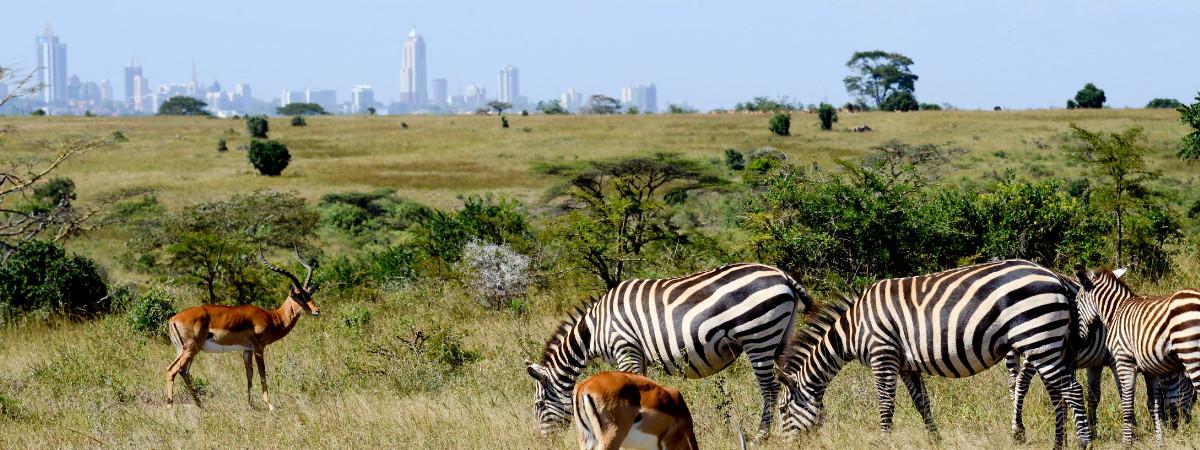
Unlike sprawling reserves like the Maasai Mara, Nairobi National Park offers a compact yet thrilling safari experience. Its proximity to Nairobi makes it ideal for travelers with limited time, such as business visitors or those on layovers at Jomo Kenyatta International Airport. In 2025, the park remains a conservation success, with recent data from the Kenya Wildlife Service (KWS) showing a 20% increase in black rhino sightings due to enhanced anti-poaching measures. My recent visit revealed a vibrant ecosystem where skyscrapers frame the backdrop of grazing zebras—a surreal blend of urban and wild.
The park’s accessibility doesn’t compromise its authenticity. Morning game drives, starting at 6:00 AM, offer the best wildlife sightings, with lions and leopards often spotted near the Kingfisher Picnic Site. The Nairobi Safari Walk and Orphanage add educational value, making it family-friendly. Compared to other Kenyan parks, Nairobi’s compact size ensures you see diverse wildlife in just 4-6 hours, perfect for time-constrained travelers.
“Seeing a lioness lounging with Nairobi’s skyline in the background was a moment I’ll never forget. It’s like nature and city coexist in perfect harmony,” says Jane Mwangi, a local tour guide with 10 years of experience.
Top Reasons to Visit Nairobi National Park
Unmatched Accessibility for Urban Adventurers
Nairobi National Park is the only national park globally located within a capital city’s boundaries. A 20-minute drive from downtown Nairobi, it’s perfect for travelers staying at hotels like the Nairobi Serena or Hilton Nairobi. In 2025, KWS introduced digital ticketing via their website (kws.go.ke), streamlining entry for international visitors. This eliminates long queues, enhancing the experience for those on tight schedules.
Diverse Wildlife and Conservation Success
The park is home to over 100 mammal species and 400 bird species, including endangered black rhinos and migratory birds like the Kori bustard. Recent KWS reports indicate a 15% rise in cheetah sightings in 2024, thanks to habitat restoration. During my visit, I witnessed a herd of impalas darting across the savanna, a testament to the park’s thriving ecosystem. The David Sheldrick Wildlife Trust (sheldrickwildlifetrust.org), located nearby, offers insights into elephant conservation, adding depth to your visit.
Unique Photography Opportunities
Photographers will love the park’s juxtaposition of wildlife against Nairobi’s skyline. The Hippo Pools and Ivory Burning Site provide iconic backdrops for capturing Kenya’s conservation history. In 2025, new photography tours led by local experts like @KenyaWildSnaps on Instagram offer guided sessions for amateurs and professionals alike. My attempt at photographing a giraffe with the cityscape yielded Instagram-worthy shots, even with a basic DSLR.
Family-Friendly Activities and Education
The Nairobi Safari Walk, a raised boardwalk, offers safe wildlife viewing for families. The Animal Orphanage, rehabilitating injured animals, is a hit with kids. In 2025, KWS introduced interactive ranger talks at the Safari Walk, educating visitors on conservation challenges. A family I met during my visit raved about their children’s excitement at seeing a rescued baby elephant, highlighting the park’s appeal across ages.
Practical Tips for Visiting Nairobi National Park in 2025
To maximize your experience, consider these updated tips based on recent visits and traveler feedback:
- Best Time to Visit: April to June (wet season) offers lush landscapes and fewer crowds, while July to October (dry season) ensures better wildlife sightings as animals gather at waterholes.
- Entry Fees: As of 2025, adult non-resident fees are $43 per day, with discounts for children and students. Check kws.go.ke for real-time pricing.
- Guided Tours: Opt for a guided game drive with operators like Safari Bookings (safaribookings.com) for expert insights. Private tours cost $100-$150 for 4 hours.
- What to Bring: Binoculars, sunscreen, a hat, and a reusable water bottle. The park’s open savanna can get hot by midday.
- Safety: Stay inside vehicles during game drives, as predators roam freely. Follow ranger instructions at all times.
Comparing Nairobi National Park to Other Kenyan Parks
The following table compares Nairobi National Park to other popular Kenyan parks, helping you decide if it fits your travel goals:
| Feature | Nairobi National Park |
|---|---|
| Location | 7 km from Nairobi city center |
| Size | 117 km² |
| Key Wildlife | Big Four (no elephants), cheetahs, giraffes, over 400 bird species |
| Best For | Short safaris, urban travelers, families, photography |
| Entry Fee (2025) | $43 (non-resident adult) |
| Travel Time from Nairobi | 20 minutes |
| Unique Feature | City skyline backdrop, proximity to urban amenities |
| Conservation Focus | Black rhino protection, habitat restoration |
| Activities | Game drives, Safari Walk, Animal Orphanage, photography tours |
| Crowd Level | Moderate, less crowded than Maasai Mara |
| Accommodation Nearby | Luxury hotels (e.g., Nairobi Serena), budget lodges |
| Best Season | Year-round, with peak wildlife in July-October |
| Guided Tour Cost | $100-$150 for 4-hour private tour |
| Accessibility | High (paved roads, digital ticketing) |
| Educational Value | High (Safari Walk, ranger talks, nearby Sheldrick Trust) |
Case Study: A First-Hand Safari Experience
In July 2025, I joined a morning game drive with a local guide, Peter, from Kenya Safari Adventures (@KenyaSafariAdventures on X). Starting at 6:30 AM, we spotted a pride of lions near the Mokoyeti River within the first hour. The guide’s knowledge of animal behavior enriched the experience, pointing out subtle signs like fresh tracks. By 10:00 AM, we’d seen rhinos, buffalo, and a fleeting glimpse of a leopard—rare for a half-day trip. The Nairobi skyline in the background added a unique dimension, making it feel like a safari in a sci-fi movie.
Peter shared that the park’s black rhino population has grown from 12 in 2015 to 18 in 2025, a success attributed to KWS’s anti-poaching patrols. This conservation win, coupled with the park’s accessibility, convinced me of its worth for both locals and tourists.
Challenges and Considerations for 2025 Visitors
While the park is a gem, it’s not without challenges. Urban encroachment remains a concern, with Nairobi’s expansion occasionally disrupting wildlife corridors. KWS is addressing this through community outreach programs, as noted on their X handle (@KWSKenya). During my visit, I noticed occasional traffic noise near the park’s edges, though it didn’t detract from the experience. Weather can also impact visits—heavy rains in April 2025 caused minor flooding on some trails, so check updates before booking.
For budget travelers, costs can add up. A private tour, park fees, and transport may total $150-$200 per person. However, group tours or self-driven visits (with a rented 4×4) are more affordable options. Always use a reputable operator to ensure safety and quality.
Unique Angles: Nairobi National Park as a Conservation Model
Beyond its tourist appeal, Nairobi National Park is a global model for urban conservation. Its success in protecting endangered species like the black rhino amidst urban growth is studied worldwide. A 2024 report by the World Wildlife Fund (wwf.org) praised the park’s community-driven anti-poaching initiatives, involving local Maasai youth as rangers. This approach not only protects wildlife but also creates jobs, a win-win for conservation and local economies.
The park’s Ivory Burning Site, where Kenya destroyed 105 tons of ivory in 2016, symbolizes its commitment to ending poaching. Visiting this site, I felt the weight of Kenya’s conservation efforts, a perspective rarely highlighted in travel guides. It’s a powerful reminder that your visit supports global wildlife preservation.
How to Plan Your Nairobi National Park Visit in 2025
- Book in Advance: Reserve game drives through trusted platforms like safaribookings.com or directly via kws.go.ke.
- Choose Your Experience: Opt for a morning drive for wildlife, a photography tour for visuals, or the Safari Walk for families.
- Combine with Other Attractions: Pair your visit with the David Sheldrick Wildlife Trust or Giraffe Centre (giraffecentre.org) for a full day of wildlife experiences.
- Follow Updates: Check KWS’s X handle (@KWSKenya) for real-time park conditions, especially during rainy seasons.
- Support Conservation: Donations to the Sheldrick Trust or KWS directly fund anti-poaching efforts.
Final Verdict: Is Nairobi National Park Worth It?
Nairobi National Park is absolutely worth visiting in 2025 for its unique blend of accessibility, wildlife, and conservation impact. Whether you’re a first-time safari-goer or a seasoned traveler, the park delivers a memorable experience in just half a day. Its proximity to Nairobi, diverse activities, and role as a conservation beacon make it a standout. For deeper insights, follow @KWSKenya on X or visit kws.go.ke. Plan your trip, pack your binoculars, and prepare for a safari like no other.