





![PHOTOS] Ruto launches Last Mile power project, market and ...](https://www.hadubini.co.ke/wp-content/uploads/2026/03/PHOTOS_President_Ruto_Launches_Last_Mile_Power_Project_in_Cheptais_Bungoma_-_Boosting_Connectivity_and_Education-150x150.jpg "[PHOTOS] President Ruto Launches Last Mile Power Project in Cheptais, Bungoma – Boosting Connectivity and Education")


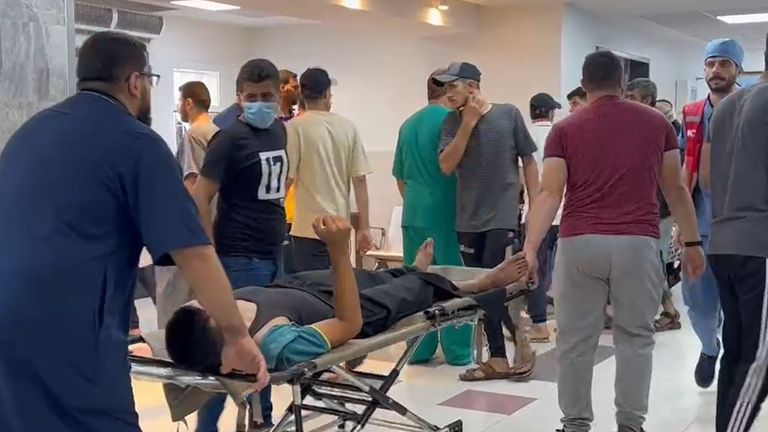
The ongoing conflict between Israel and Gaza has escalated dramatically, causing immense human suffering and devastating infrastructure damage. One of the most critical sectors affected is Gaza’s healthcare system, which is on the brink of collapse due to relentless Israeli airstrikes. According to the United Nations (UN), the healthcare system in Gaza is struggling to cope with an unprecedented surge in casualties, medical shortages, and the destruction of health facilities. This article delves into the impact of these attacks on Gaza’s healthcare sector, the challenges faced by medical professionals, and the urgent need for international support.
Gaza’s Healthcare System Before the Attacks
Before the recent escalation of violence, Gaza’s healthcare system was already under immense strain. A combination of blockades, limited resources, and high poverty levels had made it difficult for health services to function optimally. However, the system had managed to provide essential care, including treatment for chronic diseases, maternal and child healthcare, and emergency services.
Challenges Faced by Gaza’s Healthcare System
Several factors have historically hindered the effective functioning of Gaza’s healthcare system:
| Challenge | Description |
|---|---|
| Blockades and Restrictions | The blockade on Gaza limits the import of medical supplies. |
| Financial Constraints | Limited funding affects healthcare operations and development. |
| Infrastructure Issues | Many hospitals and clinics are outdated and lack basic equipment. |
| High Population Density | Overcrowding makes it difficult to provide adequate care. |
| Political Instability | The ongoing conflict has caused interruptions in health services. |
Despite these obstacles, Gaza’s healthcare workers had managed to provide life-saving care. Unfortunately, the recent escalation has exacerbated these problems to catastrophic levels.
The Impact of Israeli Airstrikes on Gaza’s Healthcare System
The Israeli airstrikes have led to widespread destruction in Gaza, including the targeting of hospitals, clinics, and other vital healthcare infrastructure. According to the UN, over 60% of Gaza’s health facilities are no longer operational, with many hospitals forced to close due to damage or lack of resources. The Ministry of Health in Gaza has reported that numerous health centers have been hit, rendering them unable to provide even basic medical services.
Destruction of Health Facilities
Airstrikes have resulted in the direct destruction of health infrastructure, forcing hospitals to operate in emergency conditions or shut down entirely. The few remaining operational facilities are overwhelmed by the influx of injured individuals, many of whom require urgent care.
| Healthcare Facility | Status |
|---|---|
| Al-Shifa Hospital | Partially damaged, limited capacity |
| Rafah Hospital | Closed due to structural damage |
| European Gaza Hospital | Operating under emergency conditions |
| Nasser Medical Complex | Overcrowded, operating with limited resources |
| Jabaliya Health Center | Destroyed, non-functional |
These health centers were vital in serving both acute and long-term healthcare needs in Gaza. The loss of these facilities has significantly hampered the ability to provide life-saving interventions to those injured in airstrikes or affected by the ongoing violence.
Surge in Casualties and Medical Needs
The escalation of violence has led to an overwhelming number of casualties, stretching Gaza’s healthcare resources to their breaking point. The UN has reported thousands of injuries, many of which are severe and require specialized care. Hospitals are struggling to handle the sheer volume of wounded civilians, and the lack of medical supplies, including life-saving medications and surgical tools, is further exacerbating the crisis.
Strain on Medical Professionals
Healthcare professionals in Gaza have been working around the clock to treat the wounded, but they are facing extreme challenges. Many doctors, nurses, and support staff have been injured or killed in the violence, and many of those still working are suffering from exhaustion and trauma. The shortage of medical personnel is particularly concerning, as it hinders the delivery of essential care.
| Critical Resources in Shortage | Impact |
|---|---|
| Painkillers and Anaesthetics | Surge in trauma patients requires urgent use. |
| Blood and Plasma | Insufficient for treating critical injuries. |
| Surgical Equipment | Limited availability, slowing down surgical procedures. |
| Antibiotics | Increasing risk of infections due to untreated wounds. |
| Personal Protective Equipment | Healthcare workers face high risk of exposure to diseases. |
International organizations and humanitarian agencies are calling for urgent supplies of these critical resources to prevent further deaths and suffering.
The Humanitarian Crisis and the Role of the International Community
The destruction of healthcare facilities and the overwhelming number of casualties have pushed Gaza to the brink of a full-scale humanitarian disaster. The international community, including the United Nations and various NGOs, has called for an immediate ceasefire and an increase in humanitarian aid to Gaza.
Despite efforts to deliver aid, the blockade and the ongoing violence have made it difficult to get supplies into Gaza, leaving civilians to face dire conditions. International efforts to rebuild healthcare infrastructure and provide emergency medical services are vital to preventing further escalation of the crisis.
The UN’s Call for Immediate Action
The United Nations has repeatedly called on both Israel and Hamas to respect international humanitarian law and protect civilian infrastructure, including healthcare facilities. In its reports, the UN has emphasized the importance of providing unrestricted access for humanitarian aid and medical teams to ensure the delivery of essential services.
Furthermore, the UN has urged the international community to increase pressure on both sides to reach a ceasefire and allow for the safe evacuation of civilians and the delivery of medical supplies.
Conclusion: The Urgent Need for Global Intervention
As the conflict continues to unfold, Gaza’s healthcare system is facing an existential crisis. With hospitals and medical centers destroyed or overwhelmed, healthcare professionals stretched thin, and critical supplies running out, the situation is dire. The international community must act swiftly to provide both immediate and long-term support to stabilize the healthcare system in Gaza.
Key Areas for Immediate Focus
| Action | Details |
|---|---|
| Ceasefire Agreement | To allow for the safe delivery of humanitarian aid. |
| Medical Aid and Supplies | Immediate shipment of medical supplies to treat the injured. |
| Rebuilding Healthcare Facilities | Long-term investment in rebuilding and upgrading facilities. |
| Support for Healthcare Workers | Provide mental health support and resources for medical staff. |
Without international intervention, Gaza’s healthcare system may collapse entirely, leading to even greater loss of life. The urgency of the situation demands a coordinated response to address both the immediate medical needs and the long-term rebuilding of Gaza’s healthcare infrastructure.