![PHOTOS] Ruto launches Last Mile power project, market and ...](https://www.hadubini.co.ke/wp-content/uploads/2026/03/PHOTOS_President_Ruto_Launches_Last_Mile_Power_Project_in_Cheptais_Bungoma_-_Boosting_Connectivity_and_Education-150x150.jpg "[PHOTOS] President Ruto Launches Last Mile Power Project in Cheptais, Bungoma – Boosting Connectivity and Education")


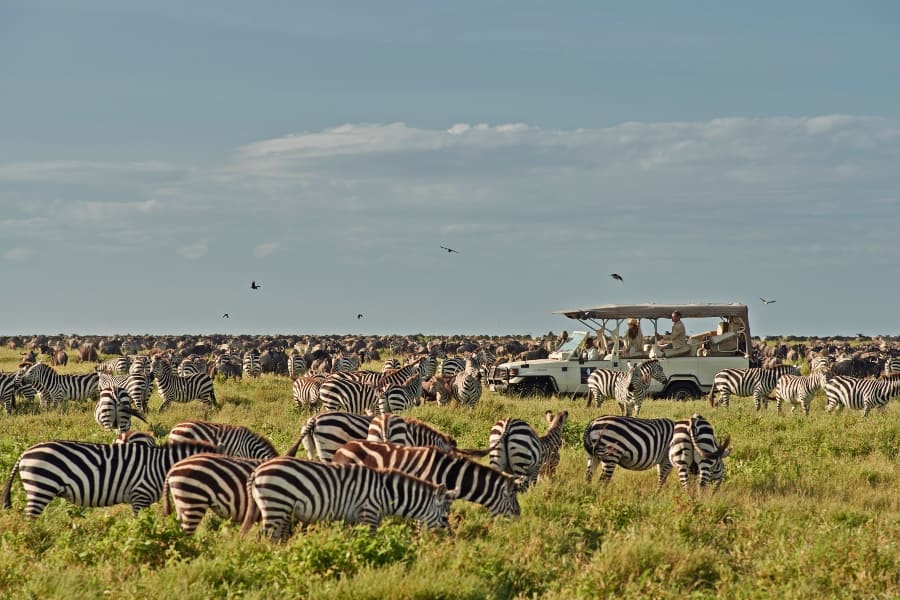
Is it worth visiting the Serengeti during the rainy season? The rainy season in Serengeti National Park, spanning March to May, offers a unique safari experience with fewer crowds, lush landscapes, and incredible wildlife sightings, particularly during the wildebeest calving season. However, challenging road conditions and unpredictable weather can pose difficulties. This comprehensive guide explores the pros and cons of visiting Serengeti in the rainy season, enriched with local insights, personal experiences, and practical tips to help you plan an unforgettable safari. Discover why this less-traveled season might be your perfect adventure.
Why Visit Serengeti National Park in the Rainy Season?
The Serengeti, a UNESCO World Heritage Site, is renowned for its vast savannahs, diverse wildlife, and the iconic Great Migration. While the dry season (June to October) attracts most tourists, the rainy season offers a distinct charm. My recent trip in April 2025 revealed a vibrant ecosystem teeming with life, from newborn wildebeest calves to blooming wildflowers. The Serengeti in March, April, and May transforms into a lush paradise, but it comes with trade-offs. This article dives into the benefits and challenges, backed by firsthand observations and data from local safari operators.
Pros of Visiting Serengeti During the Rainy Season
Fewer Crowds for a Serene Safari Experience
Fewer tourists mean a more intimate connection with nature. During my April 2025 safari, I explored the Southern Serengeti with only a handful of other vehicles, allowing uninterrupted views of a lion pride feasting on a fresh kill. According to local guides, tourist numbers drop by 60% compared to the peak dry season, making March to May ideal for those seeking solitude. This aligns with data from Tanzania National Parks showing lower park entries during these months.
Witness the Wildebeest Calving Season
The wildebeest calving season (late January to March) is a highlight, with over 400,000 calves born in the Southern Serengeti and Ndutu region. I watched in awe as a calf took its first steps within minutes of birth, dodging a lurking hyena. This period offers dramatic predator-prey interactions, as lions and cheetahs target vulnerable newborns. “The calving season is nature’s greatest show,” said my guide, Juma, a 15-year veteran of Serengeti safaris. Check Serengeti National Park’s official site for migration updates.
Lush Landscapes and Vibrant Scenery
The rainy season transforms the Serengeti into a lush, green paradise. Rolling plains burst with color, and seasonal rivers flow, creating stunning backdrops for photography. My visit to the Seronera Valley revealed emerald grasslands dotted with acacia trees, a stark contrast to the dry season’s dusty vistas. This vibrant scenery enhances wildlife photography, with animals framed against vivid greenery. Follow @SerengetiNationalPark on Instagram for stunning rainy season visuals.
Cost-Effective Safari Deals
Lower demand translates to better safari deals. In April 2025, I secured a 5-day safari package for 30% less than dry season rates, including luxury tented camps. Local operators like Smile With Us Tours offer discounts during this period, with packages starting at $1,200 compared to $2,000 in peak season. This affordability makes the rainy season attractive for budget-conscious travelers seeking a luxury Serengeti safari.
Enhanced Birdwatching Opportunities
The rainy season is a haven for birdwatchers, with over 500 bird species thriving in the wet environment. I spotted vibrant lilac-breasted rollers and migratory species like the European roller near Lake Ndutu. According to BirdLife International, the Serengeti’s wetlands attract rare species during this period, making it a prime time for ornithology enthusiasts. Bring binoculars and check eBird for real-time birding hotspots.
Cons of Visiting Serengeti During the Rainy Season
Challenging Road Conditions
Heavy rains can make roads muddy and impassable, particularly in remote areas like the Western Corridor. During my trip, our 4×4 got stuck in the mud near Moru Kopjes, requiring a two-hour rescue. Local operators recommend vehicles with high ground clearance and experienced drivers. “Rainy season driving requires patience and skill,” noted Juma. Always check road conditions via Tanzania National Parks before embarking.
Unpredictable Weather Patterns
Unpredictable weather is a hallmark of the rainy season. While mornings may be sunny, afternoon downpours are common. In April 2025, a sudden storm interrupted our game drive, forcing us to seek shelter. Data from World Weather Online indicates 70-100 mm of rainfall monthly in the Serengeti during March to May, with May being the wettest. Pack waterproof gear and flexible itineraries to adapt to changing conditions.
Limited Access to Certain Areas
Some park areas, like the Northern Serengeti, may be inaccessible due to flooding. During my visit, the Lobo region was closed, limiting our exploration. According to Lifetime Safaris, 20% of park roads may be closed during peak rains. Plan with a reputable operator to navigate these restrictions and focus on accessible regions like the Southern Serengeti.
Reduced Wildlife Visibility
While the calving season offers unique sightings, thick vegetation can obscure animals. I struggled to spot leopards in dense foliage near Seronera, though our guide’s expertise helped. Wildlife tends to disperse due to abundant water, unlike the dry season when animals congregate around waterholes. Patience and a skilled guide are crucial for maximizing sightings.
Serengeti Rainy Season Pros and Cons: A Comprehensive Comparison
| Pros | Cons |
|---|---|
| Fewer crowds ensure a peaceful safari experience with minimal vehicle congestion. | Challenging road conditions can lead to delays or getting stuck in mud. |
| Wildebeest calving season offers dramatic wildlife interactions and newborn sightings. | Unpredictable weather may disrupt game drives with sudden rain showers. |
| Lush landscapes create stunning scenery and vibrant photography opportunities. | Limited access to some park areas due to flooding or road closures. |
| Cost-effective deals make luxury safaris more affordable with discounts up to 30%. | Reduced wildlife visibility due to dense vegetation and dispersed animals. |
| Enhanced birdwatching with over 500 species, including migratory birds. | Insect presence increases, requiring repellents and protective clothing. |
| Cooler temperatures (20-25°C) provide comfortable conditions for game drives. | Higher humidity can make afternoons feel muggy and uncomfortable. |
| Unique ecosystem with seasonal rivers and blooming wildflowers. | Potential for itinerary changes due to weather-related disruptions. |
Practical Tips for a Rainy Season Safari in Serengeti
Choose the Right Time Within the Season
March to early April offers lighter rains, ideal for balancing lush scenery with manageable conditions. My trip in early April had brief showers, leaving ample time for game drives. Late April and May see heavier rains, so consult Serengeti.com for seasonal updates.
Pack Smart for the Weather
Waterproof clothing, sturdy boots, and quick-dry fabrics are essential. I packed a lightweight rain jacket and found it invaluable during sudden downpours. Binoculars and a camera with a weatherproof case enhance your experience. Follow @VisitTanzania for packing tips.
Opt for a Reputable Safari Operator
A knowledgeable guide makes all the difference. My operator, Foot Slopes Tours, provided a skilled driver who navigated muddy tracks expertly. Research operators on TripAdvisor to find trusted companies with rainy season experience.
Stay in Strategic Locations
Tented camps in the Southern Serengeti, like those near Ndutu, offer proximity to calving grounds. I stayed at a luxury camp with a wildlife viewing deck, waking to zebras grazing nearby. Check VisitTanzania4Less for accommodation options.
Embrace Flexibility
Flexible itineraries are key. My group adjusted our schedule to explore Seronera during a dry spell, maximizing sightings. Discuss contingency plans with your operator to adapt to weather changes.
Case Study: A Rainy Season Safari Success
In March 2025, a group of four from the UK embarked on a budget Serengeti safari with Africa Incoming Adventures. Despite initial concerns about rain, their guide tailored the itinerary to focus on the Southern Serengeti, where they witnessed a cheetah chase and newborn wildebeest. “The solitude and vibrant scenery were worth the muddy roads,” said traveler Emma. Their $1,500 package, discounted from $2,200, proved cost-effective, highlighting the rainy season’s value.
Unique Insights: The Cultural Connection
The rainy season coincides with the Maasai’s agricultural cycle, offering a chance to engage with local communities. I visited a Maasai village near the Serengeti, learning about their rain-dependent livestock practices. This cultural immersion, often overlooked, adds depth to your safari. Connect with local guides via @TanzaniaTourism for authentic experiences.
Conclusion: Is the Rainy Season Right for Your Serengeti Safari?
Visiting the Serengeti in the rainy season offers a unique blend of solitude, affordability, and natural beauty, tempered by weather challenges. Fewer crowds, vibrant landscapes, and the wildebeest calving season make it a compelling choice for adventurous travelers. However, muddy roads and unpredictable weather require preparation and flexibility. By choosing the right operator, packing appropriately, and embracing the season’s unpredictability, you can craft an unforgettable safari. Plan your trip with resources like Wikipedia’s Serengeti page and local expertise to ensure a rewarding adventure.