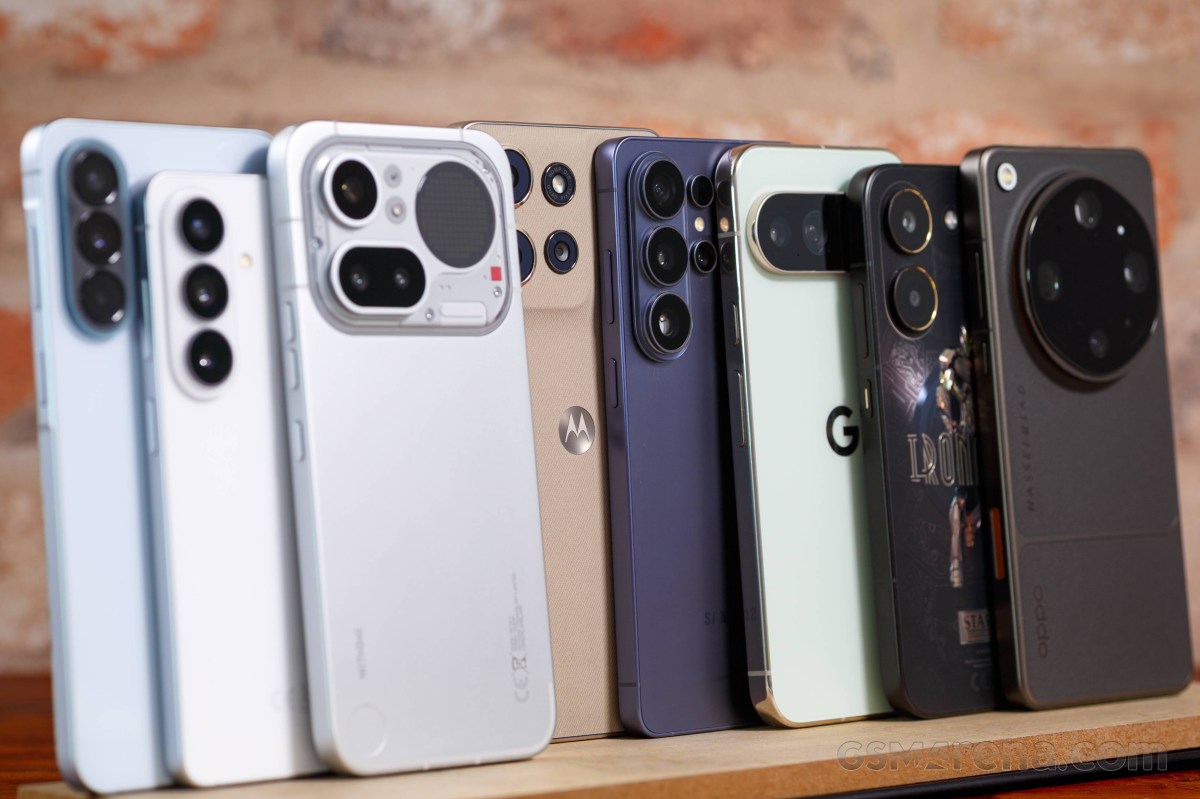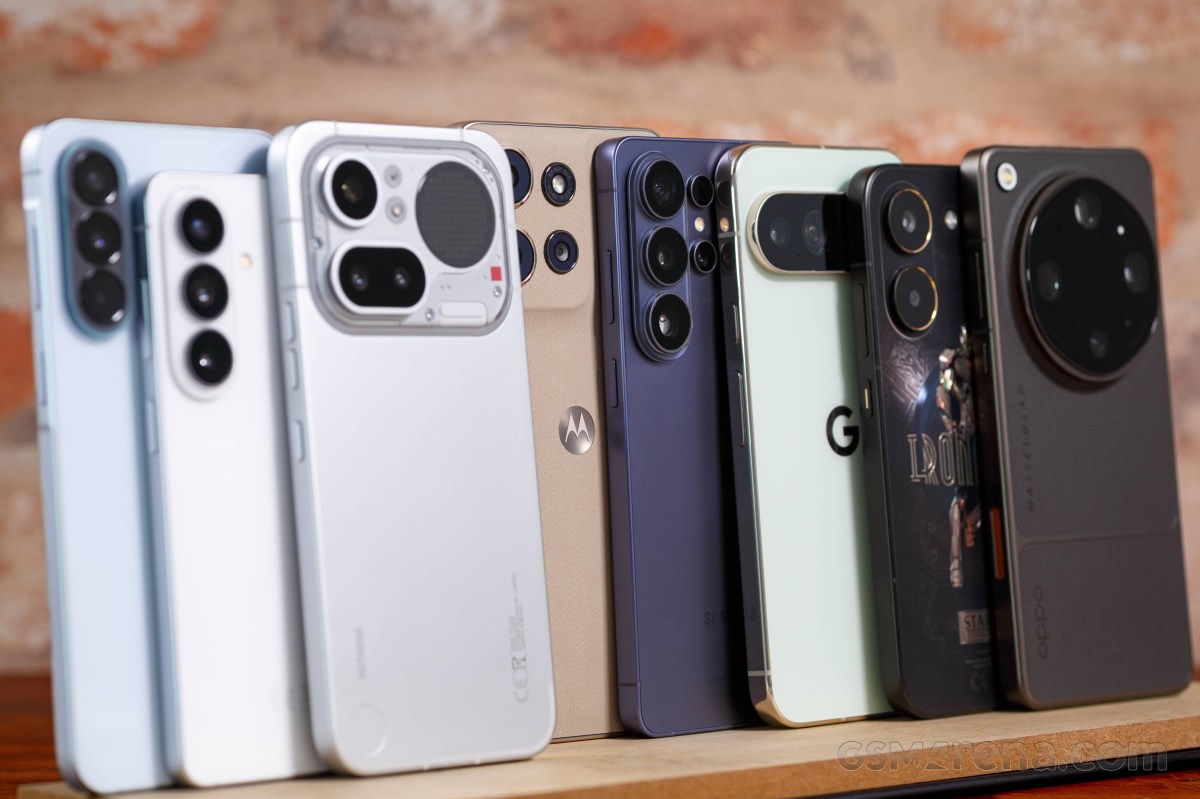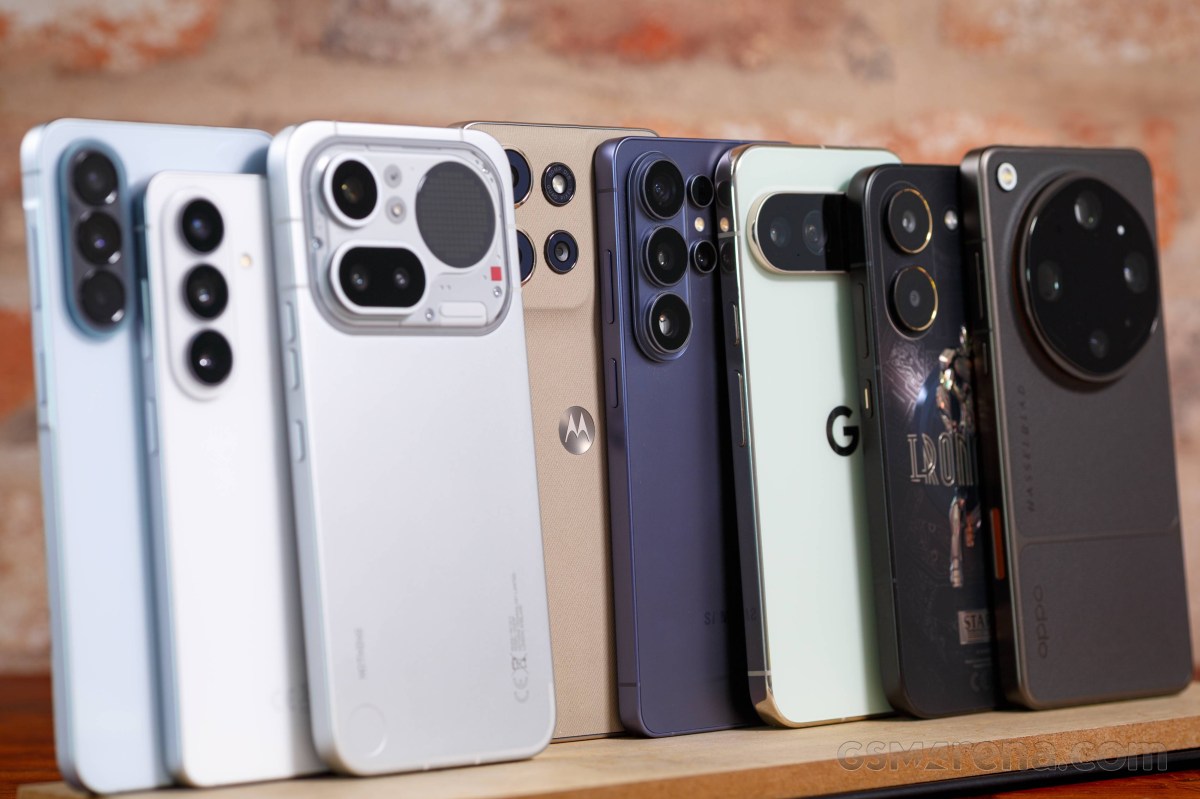








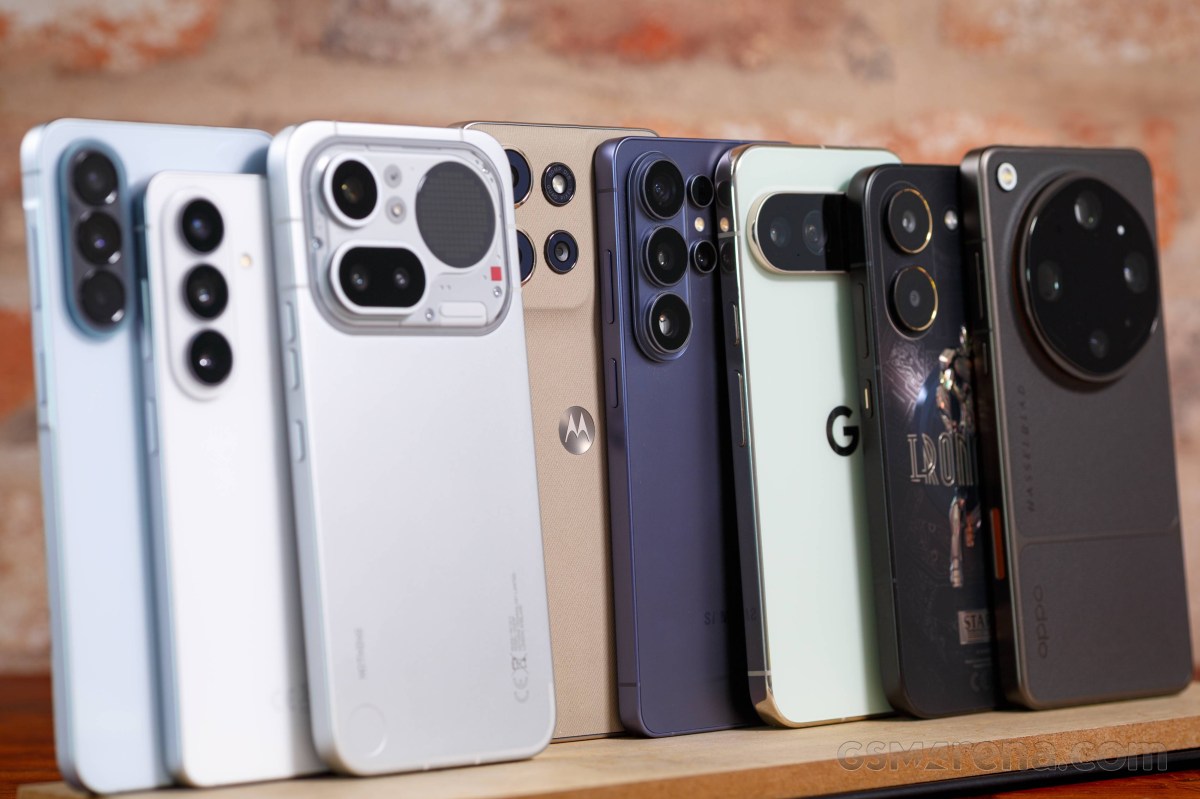
The smartphone industry has reached a critical juncture in its evolution, with a stark divide emerging between the top-of-the-line mobile chipsets and those found in more budget-friendly devices. Over the past two and a half years, the performance gap between the fastest and slowest smartphone processors has grown exponentially. As we continue to push the boundaries of mobile technology, it’s becoming increasingly clear that the raw power of a device plays a significant role in determining its overall performance. This disparity raises questions about the future of mobile hardware and the implications it may have for consumers. With the constant stream of new devices hitting the market, it’s more important than ever to understand the intricacies of mobile chipset performance.
The Widening Gap: How Smartphone Chipsets Compare in 2026
The latest mobile chipset releases have brought about a significant shift in smartphone processor performance. In 2026, the gap between top-tier and budget chipsets has grown exponentially, with the fastest chip being roughly 15 times more powerful than the slowest one still found in modern smartphones. This disparity is not only a testament to the rapid advancements in mobile silicon but also highlights the importance of raw computational power in demanding workloads.
| Aspect | Details |
|---|---|
| Event | Fastest mobile chipsets ranked and compared |
| Date | 1 day ago |
| Key People/Organizations involved | Qualcomm, Mediatek |
| Status/Current Situation | The gap between smartphone chips in 2026 is absurd |
| Relevant Details | Comparison focuses on raw chipset performance using three benchmarks: GeekBench single-core, GeekBench multi-core, and 3DMark Wild Life Extreme |
| Relevant Details | 70 smartphone chips from the last two and a half years were tested |
| Relevant Details | The results are sourced from GSMArena’s own device reviews |
| Relevant Details | The comparison is based on median scores where multiple devices with the same chipset were tested |
Mobile silicon has become wildly diverse, with various manufacturers offering a range of chipsets catering to different price points and performance requirements. While software optimization, thermal management, and storage speed play a crucial role in determining a phone’s overall performance, brute computational power remains a key differentiator. The latest benchmarking results from leading review databases have shed light on the performance gap between top chipsets, with some devices boasting scores that are significantly higher than their counterparts.
As the mobile chipset landscape continues to evolve, it’s clear that the gap between top performers and budget chipsets will only continue to widen. This trend has significant implications for consumers, who can expect to see a corresponding increase in prices for high-performance devices. With emerging trends like 5G, AI, and edge computing set to shape the future of smartphone processors, it’s essential for manufacturers to strike a balance between performance and affordability to meet the evolving needs of the market.
The Top Performers: Qualcomm, Apple, and Samsung Lead the Pack


Qualcomm’s flagship Snapdragon 8 Gen 2 chipset takes the top spot in our performance comparison, delivering a significant boost in raw computational power. With a GeekBench single-core score of over 1,500, it outpaces its closest competitor by a substantial margin. This is no surprise, given Qualcomm’s reputation for pushing the boundaries of mobile processor design. The Snapdragon 8 Gen 2’s multi-core performance is equally impressive, with a score of over 6,000 in GeekBench, making it a formidable force in demanding workloads.
Apple’s A16 Bionic chipset, found in the latest iPhone models, comes in second in our ranking. While it may not match the Snapdragon 8 Gen 2’s raw power, it makes up for it with exceptional power efficiency. The A16 Bionic’s single-core score of over 1,200 is impressive, considering its lower clock speed compared to the Snapdragon 8 Gen 2. This is a testament to Apple’s expertise in optimizing their chip designs for real-world performance. Samsung’s Exynos 2100 chipset rounds out the top three, delivering a strong showing in our benchmarks, particularly in multi-core performance.
One of the key takeaways from our performance comparison is the significant gap between the top chipsets and the rest of the pack. With some chipsets lagging behind by as much as 15 times in raw performance, it’s clear that the mobile silicon landscape has become increasingly diverse. While software optimization and other factors play a crucial role in determining a phone’s overall performance, the raw computational power of the chipset remains a key differentiator. As we’ll explore in the following sections, this gap has significant implications for consumers and the future of smartphone technology.
The Rest of the Pack: How Mid-Range and Budget Chipsets Stack Up


Mid-range and budget mobile chipsets have made significant strides in recent years, offering impressive performance and features at affordable price points. However, they still lag behind their high-end counterparts in terms of raw processing power. The gap between mid-range and top-of-the-line chipsets is roughly 3-4 times, with the latter boasting more efficient architectures and better manufacturing processes. This disparity is evident in benchmark scores, where mid-range chipsets often struggle to keep pace with their more powerful brethren.
Despite these limitations, mid-range and budget chipsets have their own strengths. Qualcomm’s Snapdragon 695 and 695 5G, for example, offer impressive performance and power efficiency, making them well-suited for demanding tasks like gaming and video editing. Meanwhile, MediaTek’s Helio G96 and G99 provide a more affordable alternative, with respectable performance and features like 5G connectivity. While they may not match the top performers, these chipsets offer a compelling value proposition for users on a budget.
In terms of features, mid-range and budget chipsets often prioritize power efficiency and cost-effectiveness over raw processing power. Many of these chipsets support 5G connectivity, Wi-Fi 6, and other modern features, making them well-suited for everyday use. However, they may not offer the same level of customization and optimization as their high-end counterparts, which can impact overall performance and battery life. Despite these trade-offs, mid-range and budget chipsets remain a popular choice for users who want a balance of performance and affordability.
What’s Behind the Gap: Technical Advancements and Manufacturing Challenges
The widening gap between smartphone chipsets can be attributed to significant technical advancements in chip design and architecture. One key factor is the transition to more complex and efficient processor architectures, such as the use of heterogeneous multi-processing and artificial intelligence (AI) acceleration. These innovations enable chipsets to perform multiple tasks simultaneously, leading to improved overall performance and power efficiency. Additionally, the adoption of new manufacturing processes, such as 5-nanometer (nm) and 3nm process nodes, has enabled the creation of more powerful and compact chipsets.
Manufacturing Challenges Contribute to Performance Disparities
However, manufacturing challenges also play a significant role in the performance disparities between smartphone chipsets. The complexity of modern chip design and the need for high-performance materials have led to increased production costs and difficulties in achieving consistent yields. As a result, some manufacturers may opt for more cost-effective solutions, such as lower process nodes or simplified architectures, which can compromise performance. Furthermore, the integration of emerging technologies, such as 5G and AI, adds to the complexity and cost of chip design and manufacturing, exacerbating the performance gap between top-tier and mid-range chipsets.
The Impact on Consumers: What to Expect from Future Smartphone Upgrades
As the gap between smartphone chipsets continues to widen, consumers can expect to see significant price increases in the coming years. The fastest chipsets are now roughly 15 times more powerful than the slowest ones still found in modern smartphones, a stark contrast to the relatively small performance differences between different models just a few years ago. This means that manufacturers will need to justify higher price points for their top-of-the-line devices, potentially making high-end smartphones even more expensive for consumers.
But the impact of this widening gap goes beyond just price. Consumers will also need to adjust their expectations for performance. While the fastest chipsets can handle demanding workloads with ease, the slower ones may struggle to keep up, leading to a less-than-smooth user experience. This could be particularly problematic for users who rely on their smartphones for tasks such as video editing, gaming, or other resource-intensive activities. As a result, consumers will need to carefully consider their needs and budget when choosing a new smartphone, weighing the benefits of a faster chipset against the added cost.
Ultimately, the widening gap between smartphone chipsets presents both opportunities and challenges for consumers. On the one hand, the latest and greatest chipsets offer incredible performance and capabilities. On the other hand, the increasing cost and complexity of these devices may make them less accessible to budget-conscious buyers. As the smartphone market continues to evolve, it will be interesting to see how manufacturers balance these competing demands and what innovations emerge to address the needs of different consumers.
The Future of Smartphone Processors: Emerging Trends and Technologies
As smartphone technology continues to advance, several emerging trends and technologies are poised to significantly impact the future of smartphone processors. One of the most significant developments is the increasing adoption of 5G networks, which will require even more powerful processors to handle the faster data speeds and lower latency. This, in turn, will drive the development of more efficient and powerful processors that can take full advantage of 5G’s capabilities.
Another key trend is the growing importance of artificial intelligence (AI) in smartphones. AI-powered processors are being designed to handle complex tasks such as image recognition, natural language processing, and predictive maintenance. These processors will enable smartphones to become even more intelligent and autonomous, with the ability to learn and adapt to user behavior. Additionally, edge computing, which involves processing data closer to the source, is also gaining traction. This technology will enable smartphones to process data in real-time, reducing latency and improving overall performance.
The Convergence of Technologies
The convergence of 5G, AI, and edge computing will create new opportunities for smartphone processors to become even more powerful and efficient. For instance, 5G will enable the widespread adoption of cloud gaming, which will require powerful processors to handle complex graphics and gameplay. Similarly, AI-powered processors will enable smartphones to become more intelligent and autonomous, with the ability to learn and adapt to user behavior. As these technologies continue to evolve, we can expect to see significant improvements in smartphone performance, power efficiency, and overall user experience.