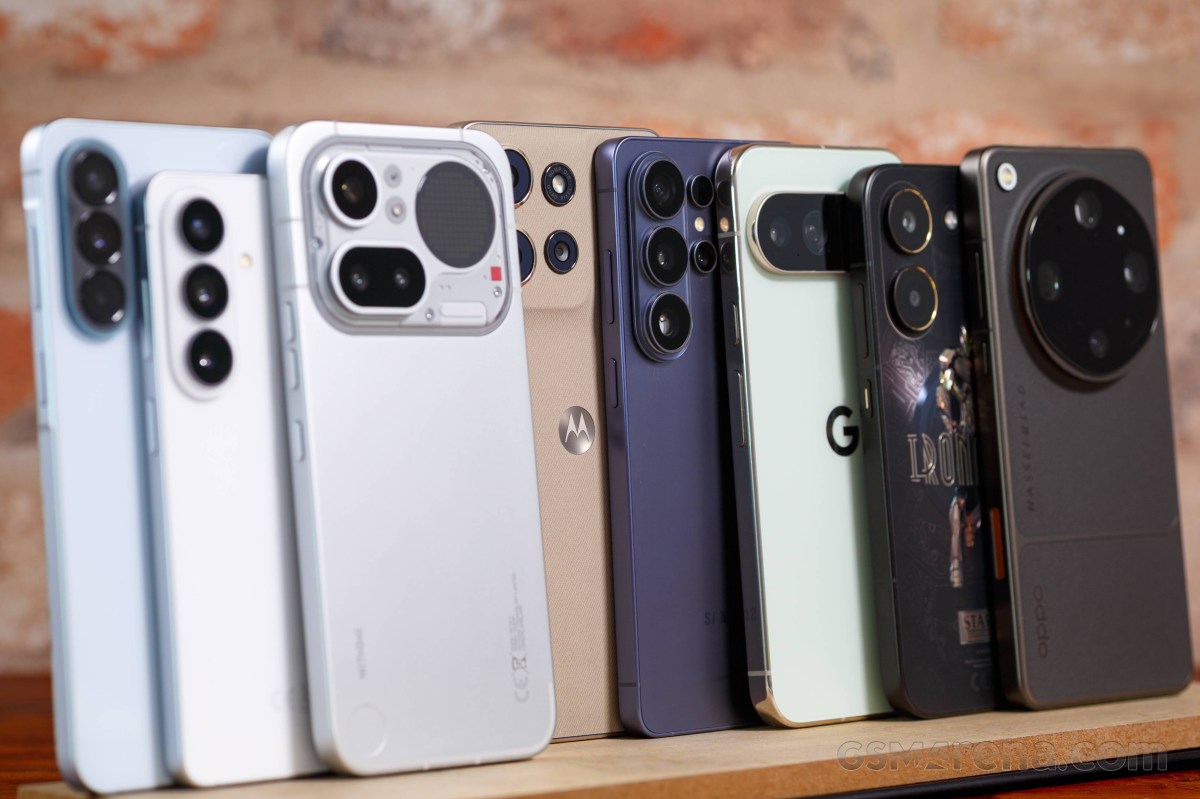









Smartphone technology has undergone a remarkable transformation in recent years, with mobile processor performance reaching unprecedented speeds. In the last two and a half years, the gap between the fastest and slowest smartphone chipsets has become absurd, with the fastest chip being roughly 15 times more powerful than the slowest one still found in modern smartphones. This staggering disparity raises questions about the role of raw performance in determining a phone’s overall speed and efficiency. As mobile computing continues to evolve, it’s clear that software optimization, thermal management, and storage speed play a significant role in how fast a phone feels day-to-day. However, when it comes to demanding workloads, brute computational power remains the key to unlocking a phone’s full potential.
The Great Leap Forward: Recent Advancements in Smartphone Chipsets
The rapid evolution of smartphone chipsets has led to a staggering disparity in performance. The gap between the fastest and slowest chipsets is now roughly 15 times, highlighting the immense diversity in mobile silicon. While raw performance is not the only factor in determining a phone’s speed, it remains a crucial aspect, particularly when dealing with demanding workloads.
| Aspect | Details |
|---|---|
| Event | Fastest mobile chipsets ranked and compared |
| Date | 1 day ago |
| Key People/Organizations | Qualcomm, Mediatek |
| Status | Current (mobile silicon market) |
| Comparison Method | 3 benchmarks: GeekBench single-core, GeekBench multi-core, 3DMark Wild Life Extreme |
| Number of Chipsets | 70 |
| Timeframe | Last two and a half years |
| Number of Phones Tested | Hundreds |
| Filter Options | Popular (default), full list |
Mobile silicon has become increasingly diverse, with various manufacturers offering distinct chipsets that cater to different needs and budgets. This has resulted in a wide range of performance levels, making it essential for consumers to understand the capabilities of different chipsets. By focusing on raw chipset performance, this comparison aims to provide a clear understanding of the fundamental differences between various chipsets.
To achieve this, the comparison utilizes three benchmarks from a review database: GeekBench single-core, GeekBench multi-core, and 3DMark Wild Life Extreme. By using median scores and a dynamic 100% baseline system, the results provide a comprehensive overview of chipset performance, allowing readers to easily compare and contrast different chipsets.
Benchmarking the Best: Comparing Top Smartphone Chipsets


The gap between smartphone chips in 2026 is staggering, with the fastest chip we’ve tested being roughly 15 times more powerful than the slowest one still found in modern smartphones. This disparity highlights the immense diversity in mobile silicon, with various chipsets catering to different needs and price points. While raw performance isn’t the only factor in determining a phone’s speed, it plays a significant role in demanding workloads.
To compare the top smartphone chipsets, we’ve stripped things down to the fundamentals, focusing purely on raw chipset performance using three benchmarks: GeekBench single-core, GeekBench multi-core, and 3DMark Wild Life Extreme. These benchmarks provide a clear picture of a chipset’s CPU and GPU performance. Our comparison includes 70 smartphone chips from the last two and a half years, with median scores used where multiple devices with the same chipset were tested.
By analyzing these benchmark scores, we can see which chipsets stand out from the rest. The results are displayed as relative performance versus a dynamic 100% baseline system, making it easy to compare different chipsets. The “Popular” filter is enabled by default, showing the 30 most-viewed chips in our database based on recent reader interest. However, you can disable it to browse the full list of chipsets.
The Unbridgeable Gap: How Smartphone Chipsets Have Outpaced Each Other


The rapid advancement of smartphone chipsets has created a significant gap in performance between different models. This disparity is particularly evident when comparing the fastest and slowest chipsets still found in modern smartphones. The difference in power is substantial, with the fastest chip being roughly 15 times more powerful than the slowest one. However, this disparity does not necessarily translate to a significantly better user experience in everyday tasks.
One reason for this is that raw performance is not the only factor influencing a phone’s speed. Software optimization, thermal management, storage speed, and app behavior all play a crucial role in determining how fast a phone feels in day-to-day use. Nevertheless, when it comes to demanding workloads, there is no substitute for brute computational power. As a result, manufacturers have been focusing on developing more powerful chipsets that can handle complex tasks with ease.
The diversity of mobile silicon has become a defining characteristic of the smartphone market. With hundreds of phones available, each with its own unique chipset, it can be challenging for consumers to make informed decisions about which phone to purchase. To help address this issue, benchmarking tools have been developed to compare the performance of different chipsets. These tools provide a clear and concise way to evaluate the capabilities of various chipsets, allowing consumers to make more informed decisions about their next smartphone purchase. Benchmarking tools have become an essential resource for consumers looking to compare the performance of different chipsets.
The Impact on Mobile Users: What Does This Mean for You?
The fastest mobile chipsets ranked by performance have a significant impact on mobile users. The sheer difference between the top and bottom performers is staggering, with the fastest chip being roughly 15 times more powerful than the slowest one still found in modern smartphones. This disparity highlights the diversity of mobile silicon, where raw performance isn’t the only factor influencing a phone’s overall speed.
Mobile users may not notice the difference in everyday tasks, as software optimization, thermal management, storage speed, and app behavior all play a crucial role in how fast a phone feels day-to-day. However, when it comes to demanding workloads, the gap between chipsets becomes more apparent. This is where the performance of a smartphone’s chipset really matters, and the right choice can make a significant difference in a user’s experience.
The ranking of smartphone chipsets is based on three benchmarks: GeekBench single-core, GeekBench multi-core, and 3DMark Wild Life Extreme. These benchmarks provide a clear picture of a chipset’s raw performance, which is essential for mobile users who want to know what to expect from their device. By understanding the performance of different chipsets, users can make informed decisions when choosing a new smartphone.
The Road Ahead: What’s Next for Smartphone Chipset Development?
As the gap between smartphone chips continues to widen, it’s clear that raw performance will play an increasingly important role in determining the overall user experience. The fastest chipsets currently available are capable of handling demanding workloads with ease, but it’s worth noting that software optimization, thermal management, and storage speed also contribute significantly to a phone’s overall performance. This highlights the importance of a well-rounded approach to mobile computing, rather than simply relying on brute computational power.
The Path Forward for Smartphone Chipset Development
The rapid advancement of smartphone chipsets has led to a highly diverse market, with hundreds of different chips available. This diversity is likely to continue, as manufacturers strive to stay ahead of the competition and meet the evolving needs of mobile users. The ability to compare and contrast different chipsets is essential for making informed purchasing decisions, and tools like the one used in this comparison are invaluable for helping users navigate the complex landscape of smartphone chipsets. By focusing on raw chipset performance, users can gain a deeper understanding of the underlying capabilities of their device and make more informed choices about their mobile computing needs.
Conclusion: The Future of Smartphone Performance Has Arrived
The future of smartphone performance has indeed arrived, and it’s a reality that’s both astonishing and bewildering. The gap between the fastest and slowest smartphone chips is now a staggering 15 times, a chasm that’s impossible to ignore. This disparity is not just a result of raw computational power, but also a reflection of the diverse and rapidly evolving landscape of mobile silicon.
Benchmarking the Best: When it comes to demanding workloads, there’s no substitute for brute computational power. Our comparison focuses on three fundamental benchmarks: GeekBench single-core, GeekBench multi-core, and 3DMark Wild Life Extreme. These metrics provide a clear picture of how smartphone chipsets perform in real-world scenarios. By stripping away the noise and focusing on raw performance, we can see that the fastest chipsets are truly in a league of their own.
The implications of this performance gap are far-reaching, and will have a significant impact on the way we use our smartphones. As we’ll explore in the following sections, the unbridgeable gap between smartphone chipsets has outpaced each other, and will continue to shape the future of mobile technology. But for now, let’s take a closer look at the top performers, and what they mean for the future of smartphone performance.