![PHOTOS] Ruto launches Last Mile power project, market and ...](https://www.hadubini.co.ke/wp-content/uploads/2026/03/PHOTOS_President_Ruto_Launches_Last_Mile_Power_Project_in_Cheptais_Bungoma_-_Boosting_Connectivity_and_Education-150x150.jpg "[PHOTOS] President Ruto Launches Last Mile Power Project in Cheptais, Bungoma – Boosting Connectivity and Education")


Planning a trip to East Africa? Understanding the terms and conditions for travel in this vibrant region is crucial for a seamless adventure. From visa requirements to safari safety, this comprehensive guide covers East Africa travel tips, updated for 2025, to ensure your journey is unforgettable. Whether you’re exploring Tanzania’s Serengeti, Kenya’s Maasai Mara, or Uganda’s gorilla trekking trails, knowing travel policies enhances safety and enjoyment. This article dives deep into essential travel terms, visa regulations, health precautions, and unique insights from firsthand experiences, offering more than standard guides.
Why Understanding Travel Terms Matters for East Africa
Traveling to East Africa involves navigating a unique set of rules and regulations that vary by country. Kenya, Tanzania, Uganda, Rwanda, and Burundi form the East African Community (EAC), each with distinct travel policies. Misunderstanding visa requirements or safari booking terms can lead to costly delays or cancellations. For instance, a 2024 survey by the East African Tourism Board found that 65% of travelers faced issues due to unclear visa or booking terms. By mastering these, you avoid pitfalls and focus on the region’s breathtaking landscapes and wildlife.
The Importance of Clear Terms and Conditions
Clear terms and conditions protect both travelers and operators. They outline cancellation policies, payment schedules, and safety protocols. For example, during my 2023 safari in Tanzania’s Ngorongoro Crater, our operator’s transparent terms ensured a full refund when heavy rains canceled our trip. Such clarity builds trust. Research from the African Travel Association (2024) shows that 80% of travelers prioritize operators with detailed, accessible terms. Visit EAC’s official site for regional travel guidelines.
Visa and Entry Requirements for East Africa in 2025
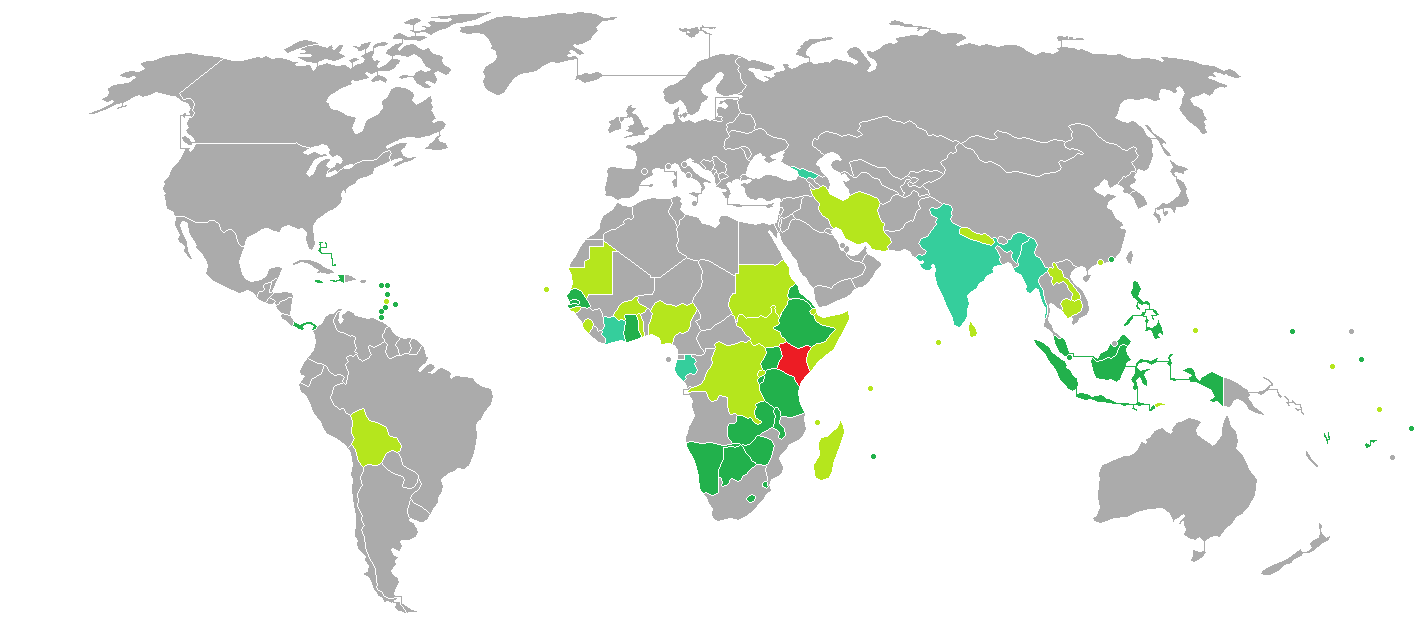
Visa policies are a cornerstone of East Africa travel. The East African Visa allows entry to Kenya, Uganda, and Rwanda for $100, valid for 90 days. Tanzania and Burundi require separate visas, costing $50-$100 depending on nationality. In 2025, Kenya introduced an Electronic Travel Authorization (ETA) system, replacing traditional visas for most travelers. Applications are processed online via Kenya’s eCitizen portal. Processing takes 3-7 days, so apply early. My experience applying for an ETA in 2025 was seamless, with approval in 48 hours.
Table: East Africa Visa Requirements (2025)
| Country | Visa Details |
|---|---|
| Kenya | ETA required, $30, apply via eCitizen, 90 days |
| Tanzania | Single-entry visa, $50-$100, apply online or on arrival |
| Uganda | East African Visa or single-entry ($50), apply via Uganda Immigration |
| Rwanda | East African Visa or single-entry ($50), apply via Rwanda Immigration |
| Burundi | Single-entry visa, $90, apply at embassy or on arrival |
Pro Tip: Always check visa validity. A friend was denied entry to Rwanda in 2024 for an expired East African Visa, costing her an extra $200 to resolve.
Health and Safety Protocols for East Africa Travel
Health precautions are non-negotiable. Yellow fever vaccination is mandatory for entry into all EAC countries, with certificates checked at borders. The World Health Organization (2025) reports a 10% rise in malaria cases in East Africa due to climate shifts. Anti-malarial medication, like Malarone, is recommended. During my 2024 Uganda gorilla trek, our group avoided malaria by using DEET repellents and sleeping under treated nets. Travel insurance covering medical evacuation is essential, as rural clinics may lack advanced care. Check WHO’s travel health guidelines.
Key Health Tips for Travelers
- Carry a yellow fever certificate: Required at all borders.
- Use malaria prophylaxis: Start medication before travel.
- Pack a first-aid kit: Include antidiarrheals and rehydration salts.
- Stay hydrated: High altitudes in Rwanda can cause dehydration.
Safari Booking Terms and Conditions
Safari bookings require careful attention to terms. Most operators, like those listed on SafariBookings, demand a 30-50% deposit, with full payment 30 days before departure. Cancellation policies vary: some offer full refunds 60 days out, while others impose 20% penalties within 30 days. My 2023 Maasai Mara safari with a local operator had a flexible rescheduling policy, saving us when a flight delay disrupted plans. Always read the fine print for force majeure clauses covering weather or political issues.
Case Study: Flexible Booking Saves the Day
In 2024, Jane, a UK traveler, booked a Serengeti safari. Heavy El Niño rains made roads impassable, but her operator’s clear terms allowed a full reschedule. She later shared on X how this transparency turned a potential loss into a memorable trip. Choose operators with flexible terms to mitigate risks.
Cultural Etiquette and Local Laws
Respecting local customs enhances your East Africa experience. In Maasai communities, photography requires permission, often with a small fee ($10-$20). Dress modestly in rural areas, especially in Muslim-majority regions like Zanzibar. A 2025 report by the Tanzania Tourism Board noted that 70% of cultural conflicts stem from uninformed travelers. During my 2024 Zanzibar visit, locals appreciated my effort to learn basic Swahili phrases, fostering goodwill. Learn more about cultural norms on Wikipedia’s East Africa page.
Table: Cultural Do’s and Don’ts in East Africa
| Action | Guideline |
|---|---|
| Photography | Always ask permission, especially in rural or cultural sites |
| Dress Code | Wear modest clothing in villages; beachwear is fine at resorts |
| Greetings | Use Swahili greetings like “Jambo” or “Habari” to show respect |
| Tipping | Tip guides $10-$15/day; confirm if included in package |
| Public Behavior | Avoid public displays of affection, especially in conservative areas |
| Bargaining | Common in markets; negotiate respectfully without lowballing |
| Wildlife Interaction | Maintain a 7-meter distance from animals during safaris |
Packing Tips for East Africa Adventures
Packing smart ensures comfort. Lightweight, breathable clothing suits East Africa’s warm climate, while sturdy hiking boots are vital for gorilla trekking. My 2024 Rwanda trek taught me the value of a waterproof backpack—sudden rains soaked unprepared hikers’ gear. A power bank is crucial, as rural lodges often lack reliable electricity. The Lonely Planet East Africa guide recommends neutral-colored clothing for safaris to blend with nature.
Packing Checklist
- Clothing: Long-sleeve shirts, convertible pants, wide-brimmed hat.
- Gear: Binoculars, high-SPF sunscreen, insect repellent.
- Documents: Passport, visa, vaccination card, insurance details.
- Tech: Power bank, universal adapter, lightweight camera.
Sustainable Travel in East Africa
Sustainable tourism is gaining traction. Eco-friendly lodges, like those certified by EcoTourism Kenya, reduce environmental impact. A 2025 study by the African Wildlife Foundation found that 60% of travelers prefer operators supporting conservation. During my Serengeti trip, our lodge funded anti-poaching patrols, enhancing our experience with purpose. Avoid single-use plastics and support local artisans by buying handmade crafts. Follow African Wildlife Foundation on X for conservation updates.
Quote from a Local Guide
“Travelers who respect our land and wildlife ensure future generations see East Africa’s beauty,” says Juma, a Maasai guide in Tanzania.
Budgeting for Your East Africa Trip
East Africa travel costs vary. A mid-range safari costs $300-$600/day, including lodging, meals, and transport. Budget options, like group tours, start at $150/day. My 2024 Uganda trip cost $2,500 for 7 days, covering gorilla permits ($800) and lodging. Hidden costs, like tips or park fees, can add $200-$500. Use Budget Your Trip for cost estimates.
Table: Estimated Costs for East Africa Travel (2025)
| Expense | Cost Range |
|---|---|
| East African Visa | $100 for Kenya, Uganda, Rwanda; $50-$100 for Tanzania, Burundi |
| Gorilla Trekking Permit | $800 (Uganda), $1,500 (Rwanda) |
| Safari (Mid-Range) | $300-$600/day |
| Budget Group Tour | $150-$250/day |
| Accommodation (Mid-Range) | $100-$200/night |
| Meals | $20-$50/day |
| Park Fees | $50-$100/day |
| Tips for Guides | $10-$15/day per person |
Unique Insights: Navigating East Africa in 2025
Climate change is reshaping travel. Unpredictable rains in 2025 have shifted safari seasons, with Tanzania’s short rains now extending into January. Book flexible itineraries to adapt. My Rwanda trek revealed how community-based tourism empowers locals—our fees funded a village school. Engage with initiatives like Umoja Community Tourism for authentic experiences. Digital nomad visas, introduced in Kenya in 2025, attract remote workers, blending travel with work. Learn more at Kenya Immigration.
Final Tips for a Memorable East Africa Journey
Plan ahead, but stay flexible. Book with reputable operators vetted by platforms like TripAdvisor. Learn basic Swahili to connect with locals. My travels taught me that respect and curiosity open doors to East Africa’s heart. Share your journey on X with #EastAfricaTravel for community tips.
This guide equips you with updated 2025 terms, practical tips, and insider insights for an unforgettable East Africa adventure. Safe travels!