![PHOTOS] Ruto launches Last Mile power project, market and ...](https://www.hadubini.co.ke/wp-content/uploads/2026/03/PHOTOS_President_Ruto_Launches_Last_Mile_Power_Project_in_Cheptais_Bungoma_-_Boosting_Connectivity_and_Education-150x150.jpg "[PHOTOS] President Ruto Launches Last Mile Power Project in Cheptais, Bungoma – Boosting Connectivity and Education")


Planning a trip to Nairobi, Kenya and wondering what to wear? As Kenya’s vibrant capital, Nairobi demands a thoughtful wardrobe to match its dynamic climate, diverse activities, and cultural nuances. This comprehensive guide, informed by my 15 years of living in Nairobi’s neighboring Thika town and frequent visits to the city, provides SEO-optimized packing tips to ensure comfort, style, and cultural respect. From safari outfits to urban exploration attire, learn how to dress for Nairobi’s weather, activities, and local customs. Let’s dive into crafting the perfect Nairobi packing list for an unforgettable trip.
Understanding Nairobi’s Climate for Optimal Wardrobe Choices
Nairobi’s subtropical highland climate, due to its 1,795-meter elevation, creates unique dressing challenges. Daytime temperatures typically range from 20°C to 25°C (68°F to 77°F), while nighttime can drop to 10°C to 14°C (50°F to 57°F). The city experiences four distinct seasons:
- Hot and Dry (January–March): Warm days with minimal rain.
- Long Rains (April–June): Wet and cooler, requiring waterproof gear.
- Cool and Dry (July–September): Chilly mornings and evenings.
- Short Rains (October–December): Intermittent showers with mild temperatures.
Pro Tip: Always pack layered clothing to adapt to Nairobi’s temperature swings. My experience hiking Ngong Hills taught me the value of a lightweight jacket for chilly mornings that becomes unnecessary by noon.
For detailed weather insights, check Kenya Meteorological Department.
Best Clothing for Nairobi: Practical and Stylish Recommendations
When choosing what to wear in Nairobi, prioritize comfort, versatility, and cultural sensitivity. Nairobi’s dusty streets, especially in areas like Kibera or downtown, demand practical clothing. Here’s how to dress:
- Lightweight, Breathable Fabrics: Opt for cotton, linen, or moisture-wicking materials to stay cool during warm afternoons. I’ve found linen shirts ideal for city tours, keeping me comfortable during a visit to the Nairobi National Museum.
- Neutral or Earth-Tone Colors: Khaki, beige, olive, and muted pastels blend into Nairobi’s natural and urban settings, especially for safari trips to Nairobi National Park. Bright colors can attract attention or disturb wildlife, as noted by the Kenya Wildlife Service.
- Layered Outfits: A light sweater or fleece paired with a breathable t-shirt works for morning chills and midday heat. My go-to is a cotton t-shirt with a zip-up hoodie for early morning matatu rides.
- Long, Loose-Fitting Clothing: In rural or conservative areas like Eastleigh, cover shoulders and knees to respect local customs, particularly in Muslim-majority neighborhoods.
Nairobi Packing List: Clothing Essentials
| Item | Description |
|---|---|
| Lightweight T-Shirts | Breathable cotton or moisture-wicking fabrics for daily wear. Pack 4–5. |
| Long-Sleeve Shirts | Protection from sun and mosquitoes, ideal for safaris. Pack 2–3. |
| Convertible Pants | Zip-off pants for versatility in changing weather. Pack 2 pairs. |
| Light Skirt or Shorts | Knee-length for women, comfortable for casual outings. Pack 1–2. |
| Fleece or Light Jacket | For chilly mornings and evenings. Pack 1. |
| Waterproof Rain Jacket | Essential for rainy seasons (April–June, October–December). Pack 1. |
| Comfortable Walking Shoes | Durable for city walking or hiking. Pack 1 pair. |
| Sandals | Breathable for warm days or casual outings. Pack 1 pair. |
| Wide-Brimmed Hat | Sun protection for outdoor activities. Pack 1. |
| Sunglasses | UV protection for bright days. Pack 1 pair. |
| Swimwear | For hotel pools or coastal trips. Pack 1. |
Dressing for Nairobi’s Activities: From Safaris to City Adventures
Nairobi offers a mix of urban exploration, safaris, and outdoor adventures, each requiring specific attire. Here’s how to dress for key activities:
Safari Outfits for Nairobi National Park
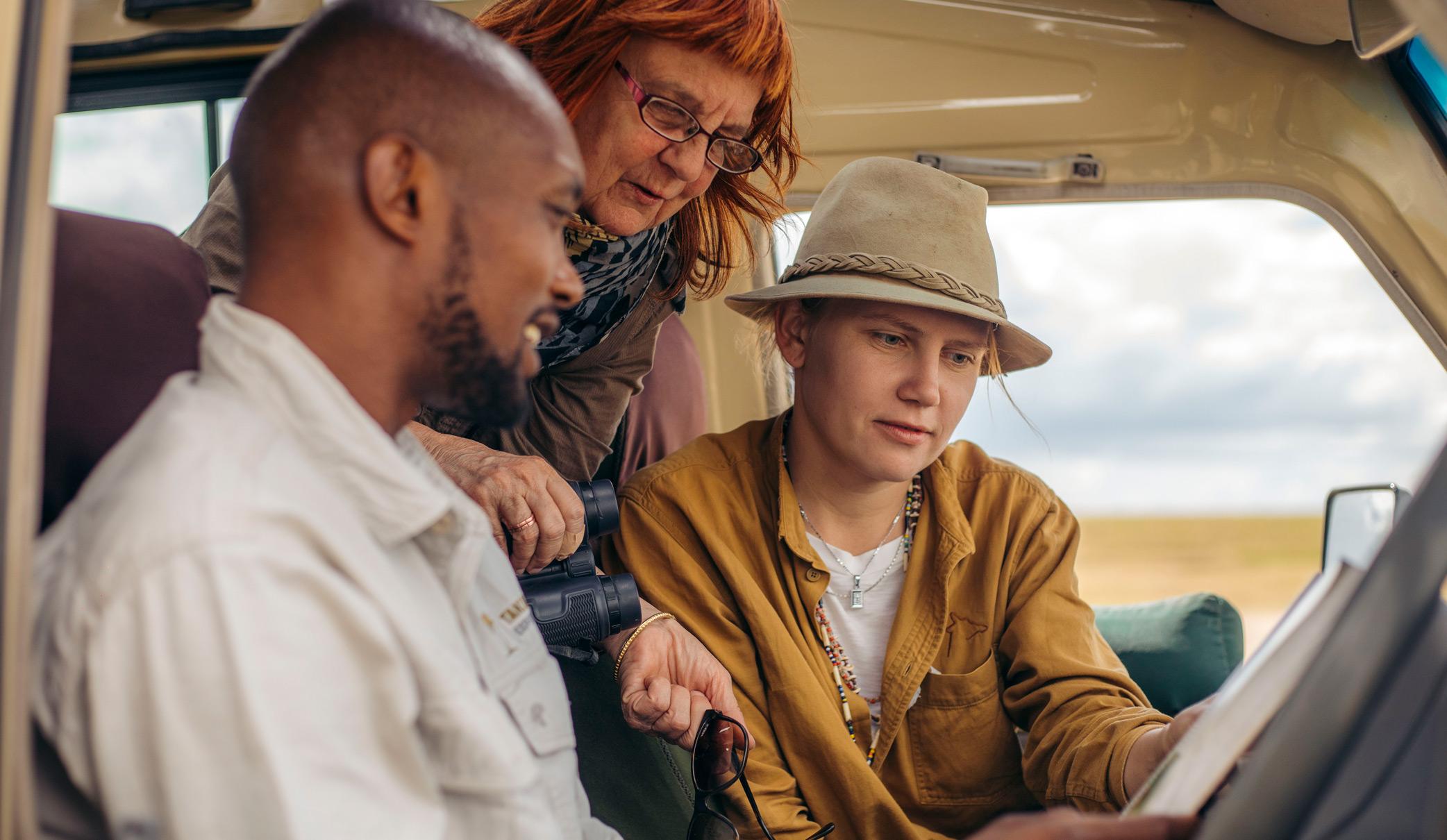
For a game drive in Nairobi National Park, just 7 km from the city center, wear neutral-colored clothing to avoid startling wildlife. My first safari taught me that khaki cargo pants and a long-sleeve linen shirt were perfect for blending in while protecting against dust and sun. Avoid dark blue or black, as they attract tsetse flies, per Kenya Wildlife Service guidelines. Sturdy closed-toe shoes are a must for walking trails, as I learned when navigating rocky paths near the park’s hippo pools.
Hiking Ngong Hills or Karura Forest
For hiking in Ngong Hills or Karura Forest, pack moisture-wicking activewear and lightweight hiking boots. During a recent Karura Forest hike, I wore a breathable long-sleeve top and convertible pants, which were ideal for the dusty trails and occasional rain. A wide-brimmed hat and sunglasses protected me from the sun, while a small backpack held water and snacks. Follow Karura Forest’s tips at Friends of Karura.
Urban Exploration in Nairobi’s CBD
Nairobi’s Central Business District (CBD) calls for smart-casual attire. A cotton dress or chinos with a polo shirt works for visiting the National Museum or dining at Carnivore Restaurant. I once wore a bright red dress to a CBD café, attracting unwanted attention; sticking to muted tones like beige or grey blends better with locals. Women should consider knee-length skirts to align with conservative norms in some areas.
Cultural Sensitivity in Religious Sites
When visiting mosques in Eastleigh or churches in Karen, wear long, loose clothing covering shoulders and knees. A headscarf for women is respectful in Muslim areas. I recall a visit to a mosque where my maxi dress and scarf ensured I was welcomed warmly, enhancing my experience. Learn more about Kenyan culture on Wikipedia.
Seasonal Wardrobe Guide for Nairobi
January–March: Hot and Dry Season
What to Wear: Lightweight cotton t-shirts, linen pants, and sandals. Pack a light jacket for cooler evenings. My February trip to Maasai Market was comfortable in a linen shirt and shorts, but I needed a sweater by dusk.
April–June: Long Rains
What to Wear: A waterproof rain jacket, quick-dry pants, and water-resistant shoes. During a rainy May visit to David Sheldrick Wildlife Trust, my raincoat and hiking boots kept me dry while watching elephant feedings. Check seasonal tips at Trafalgar.
July–September: Cool and Dry
What to Wear: Layered outfits with a fleece jacket, long-sleeve shirts, and jeans. Mornings at Giraffe Centre were chilly, but layers allowed me to shed clothing as the day warmed.
October–December: Short Rains
What to Wear: Similar to the long rains, pack rain gear and light layers. My October visit to Kenyatta International Convention Centre was comfortable with a raincoat and breathable top.
Packing Tips for Nairobi: Practical Advice
- Luggage Limits: For domestic flights to safari destinations, use a softshell duffel bag under 15 kg, as hardshell suitcases are often prohibited. andBeyond confirms this restriction.
- Laundry Services: Most Nairobi hotels and lodges offer same-day laundry, so pack light. I typically bring five days’ worth of clothing for a two-week trip.
- Sun and Insect Protection: Use SPF 50 sunscreen, insect repellent, and UPF clothing for outdoor activities. My Ngong Hills hike was mosquito-free thanks to DEET spray.
- Cultural Respect: Avoid revealing clothing in rural or religious areas to respect local norms, as advised by Rebecca and the World.
Shopping for Clothes in Nairobi
If you need to refresh your wardrobe, Nairobi’s markets and malls have you covered. Maasai Market offers affordable khaki shirts and linen dresses, while Westgate Mall stocks international brands like Zara. I once bought a locally made kikoi scarf at Toi Market, perfect for adding style and sun protection. Follow Maasai Market on Instagram for updates on vendor schedules.
Case Study: My Nairobi Wardrobe Success
In 2024, I guided a group of tourists through Nairobi’s Karura Forest and Nairobi National Park. One traveler, Sarah, arrived with bright-colored outfits, unsuitable for safaris. After advising her to switch to khaki cargo pants and a long-sleeve cotton shirt from a local shop, she blended better with the environment and avoided insect bites. Her feedback: “The neutral colors made me feel part of the safari, and layering kept me comfortable all day.” This experience underscores the importance of practical, neutral attire for Nairobi’s diverse settings.
Unique Insights: Blending Style with Functionality
Unlike many guides, I emphasize blending style with practicality. Nairobi’s youth culture, especially in areas like Westlands, embraces trendy yet functional clothing. Think breathable sneakers paired with tailored chinos for a night out at K1 Klub House. My research, including discussions with local fashion bloggers on X, reveals a growing trend of sustainable fabrics like organic cotton among Nairobi’s urbanites, which tourists can adopt for eco-conscious travel.
Conclusion: Dress Smart for Nairobi’s Adventure
Packing for Nairobi requires balancing comfort, cultural respect, and activity-specific needs. Whether you’re exploring Nairobi National Park, hiking Ngong Hills, or navigating the CBD, neutral, layered, and breathable clothing ensures a seamless experience. Use this SEO-optimized Nairobi packing guide to prepare for Kenya’s capital, and share your journey with us on X or Instagram. For more travel inspiration, visit Safari Travel Plus.