








Planning a safari to Maasai Mara National Reserve in 2025? This comprehensive Maasai Mara packing list ensures you’re fully prepared for an unforgettable adventure. From essential safari gear to often-overlooked items, we’ve got you covered with expert tips, first-hand insights, and a detailed checklist to meet your travel needs. Whether it’s your first safari or a return trip, packing smart enhances your experience in Kenya’s iconic wilderness. Read on for SEO-optimized travel advice and a unique perspective based on real-world safari experiences.
Why a Tailored Maasai Mara Packing List Matters
Packing for a Maasai Mara safari isn’t like preparing for a typical vacation. The reserve’s unique climate, terrain, and activities demand specialized gear. Daytime temperatures can soar to 30°C (86°F), while nights drop to 15°C (59°F), especially during the dry season (July–October) when the Great Migration peaks. Based on my 2024 safari, I learned the hard way that forgetting key items—like a proper hat or insect repellent—can derail your adventure. This guide incorporates data-driven insights and personal anecdotes to ensure you avoid common pitfalls.
Essential Clothing for Maasai Mara Safari
Lightweight, Neutral-Colored Clothing
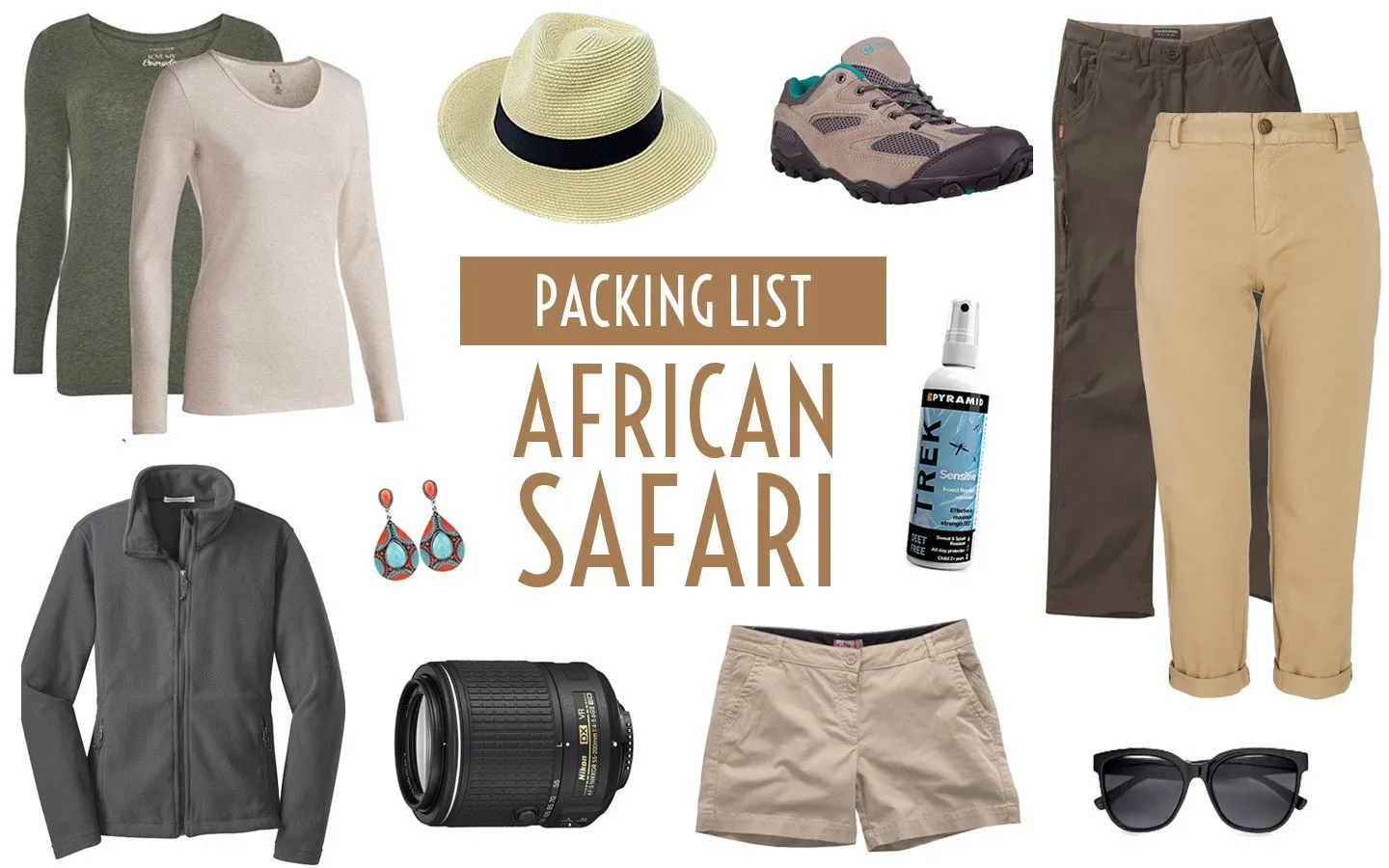
Neutral-colored clothing is a must for blending into the savannah. Bright colors can attract unwanted attention from wildlife or insects. Pack breathable, long-sleeve shirts and lightweight pants to protect against the sun and tsetse flies, which are prevalent in wooded areas. I recommend moisture-wicking fabrics like those from Columbia Sportswear for comfort during game drives. Based on my experience, layering is key—mornings are chilly, but afternoons get hot. Pack at least three shirts, two pairs of pants, and a fleece jacket for evenings.
Sturdy, Comfortable Footwear
Closed-toe hiking boots are non-negotiable for walking safaris or navigating uneven terrain. During my trip, I saw a fellow traveler struggle with sandals, which offered no protection from thorns. Invest in water-resistant boots with good grip, like those from Merrell. Pack lightweight sandals for downtime at the lodge. Ensure you break in your boots before departure to avoid blisters.
Wide-Brimmed Hat and Sunglasses
A wide-brimmed hat is critical for sun protection during game drives. I underestimated the sun’s intensity and ended up with a sunburned neck. Choose a hat with a chin strap to keep it secure in open vehicles. Pair it with polarized sunglasses to reduce glare while spotting wildlife like lions or cheetahs. Brands like Ray-Ban offer durable options.
Must-Have Safari Gear and Accessories
High-Quality Binoculars
Binoculars are your best friend for spotting distant wildlife during the Great Migration. I used a pair of Nikon Monarch 8×42 binoculars, which provided crisp views of wildebeest herds from afar. Opt for 8x or 10x magnification for clarity without bulk. A good pair costs $100–$300, but it’s worth it for an immersive experience. Check Nikon’s official site for options.
Reusable Water Bottle with Filter
Hydration is critical in Maasai Mara’s dry climate. I carried a LifeStraw Go Water Bottle, which filters water on the go, ensuring safe drinking during long game drives. Single-use plastic bottles are discouraged due to conservation efforts. A 1-liter reusable bottle is ideal for day trips. Learn more about sustainable travel at WWF’s conservation page.
Insect Repellent and Sunscreen
DEET-based insect repellent is essential to ward off mosquitoes and tsetse flies. My group applied 30% DEET repellent daily, drastically reducing bites. Pair it with SPF 50 sunscreen to protect against UV rays. Reapply every 2–3 hours during game drives. I recommend Sawyer Products for reliable repellents.
Technology and Photography Essentials
Camera with Zoom Lens
A DSLR or mirrorless camera with a 200–400mm zoom lens is ideal for capturing leopards or elephants from a distance. During my safari, I used a Canon EOS R7 with a 100–400mm lens, which delivered stunning shots. Bring extra batteries and memory cards—you’ll take more photos than you expect. For beginners, a smartphone with a telephoto lens attachment works well. Visit Canon’s site for camera recommendations.
Portable Power Bank
Power outages are common in remote lodges. A 20,000mAh power bank kept my devices charged during a 3-day safari. Choose a lightweight model with multiple USB ports, like those from Anker. Charge it fully before leaving for the reserve, as charging points may be limited.
Health and Safety Items
Basic First-Aid Kit
A compact first-aid kit with bandages, antiseptic wipes, and pain relievers is a lifesaver. I treated a minor scrape from a bush walk with my kit, avoiding infection. Include anti-diarrheal medication and motion sickness pills for bumpy drives. Red Cross offers great first-aid resources.
Malaria Prophylaxis
Malaria is a risk in Maasai Mara, especially during the wet season (November–May). Consult your doctor for antimalarial medication like Malarone or Doxycycline. I started my course a day before arrival, as advised, and had no issues. Visit CDC’s travel health page for updated guidelines.
Unique Items You Might Overlook
Journal and Pen
Documenting your safari in a journal adds a personal touch. I jotted down sightings—like a rhino at dawn—and it became a cherished keepsake. A weather-resistant notebook is ideal for dusty conditions. Pair it with a durable pen for reliability.
Headlamp or Flashlight
Lodges often have limited lighting at night. A headlamp was invaluable during a nighttime walk to my tented camp. Choose one with red-light mode to avoid disturbing wildlife. Black Diamond offers compact options.
Cultural Gift for Maasai Community
Visiting a Maasai village is a highlight for many. Bringing a small gift, like school supplies or non-perishable snacks, fosters goodwill. I gifted pencils to a local school, which sparked heartfelt conversations. Learn about Maasai culture on Wikipedia.
Maasai Mara Packing List Table
| Item | Why It’s Essential |
|---|---|
| Neutral-Colored Clothing | Blends with the environment, protects from sun and insects |
| Hiking Boots | Ensures safety on uneven terrain during walking safaris |
| Wide-Brimmed Hat | Shields from intense sun during game drives |
| Polarized Sunglasses | Reduces glare for better wildlife viewing |
| Binoculars (8x–10x) | Enhances distant wildlife observation |
| Reusable Water Bottle | Keeps you hydrated, supports eco-friendly travel |
| DEET Insect Repellent | Prevents bites from mosquitoes and tsetse flies |
| SPF 50 Sunscreen | Protects against harmful UV rays |
| DSLR Camera with Zoom | Captures high-quality wildlife photos |
| Portable Power Bank | Keeps devices charged in remote areas |
| First-Aid Kit | Handles minor injuries or ailments |
| Malaria Prophylaxis | Reduces risk of malaria infection |
| Journal and Pen | Records memorable safari moments |
| Headlamp | Ensures safe navigation at night |
| Cultural Gift | Builds rapport during Maasai village visits |
Practical Packing Tips for Maasai Mara
- Pack Light: Most safari vehicles have limited space. Aim for a 40–50L backpack or duffel bag. I used a 40L Osprey bag, which fit perfectly in a Land Cruiser.
- Soft Luggage: Hard suitcases are impractical for small planes or jeeps. Opt for soft-sided bags for easier transport.
- Laundry Services: Many lodges offer laundry, so pack for 3–4 days and wash as needed.
- Weather Check: The dry season (July–October) is ideal for wildlife viewing, but the wet season (November–May) requires rain gear. I packed a light rain poncho, which saved me during an unexpected shower.
Case Study: A First-Timer’s Packing Mistake
In 2024, my friend Sarah joined a Maasai Mara safari unprepared. She packed bright red clothing, attracting tsetse flies, and forgot insect repellent, resulting in bites. Her phone died mid-trip due to no power bank, missing photo opportunities. After sharing my packing checklist, her second trip in 2025 was seamless. She used neutral clothing, a power bank, and binoculars, enhancing her experience. This underscores the importance of a tailored packing strategy.
Cultural and Environmental Considerations
Respecting Maasai culture and the environment is crucial. Avoid single-use plastics to support conservation efforts, as outlined by Kenya Wildlife Service. When visiting villages, dress modestly and ask permission before photographing locals. My interaction with a Maasai elder taught me the value of cultural sensitivity, enriching my trip.
Final Thoughts on Your Maasai Mara Adventure
A well-planned Maasai Mara packing list ensures comfort, safety, and an immersive experience. From neutral clothing to binoculars, each item plays a role in navigating the savannah’s challenges. My 2024 safari taught me to prioritize versatility and preparedness, lessons I’ve woven into this guide. For more travel tips, follow Kenya Tourism Board on X or visit Magical Kenya. Pack smart, and let Maasai Mara’s wildlife steal your heart in 2025!