








Planning a safari in Tanzania? Choosing the right colors to wear is critical for safety, comfort, and an immersive wildlife experience. Neutral, earthy tones like khaki, olive, and beige blend into the environment, ensuring you don’t startle animals or attract insects. Bright colors like red or white can disrupt wildlife, while dark colors like black attract heat and tsetse flies. This guide dives deep into optimal color choices, offering SEO-optimized safari clothing tips, firsthand insights, and practical advice to enhance your Tanzanian safari adventure in 2025.
Why Clothing Colors Matter on a Tanzanian Safari
When embarking on a Tanzanian safari, your clothing colors directly impact your safety and wildlife viewing experience. Animals in Tanzania’s national parks, such as Serengeti or Ngorongoro Crater, are sensitive to bright or unnatural hues, which can scare them or disrupt their behavior. According to a 2024 study by the Tanzania Wildlife Research Institute, animals like elephants and lions are more likely to avoid vehicles with vibrant colors, reducing your chances of close encounters.
Neutral colors like khaki, olive green, and beige mimic the natural landscape, making you less noticeable. Dark colors like black or navy can absorb heat, making you uncomfortable in Tanzania’s warm climate, and attract tsetse flies, which are prevalent in areas like Tarangire National Park. Conversely, white clothing, while cooling, shows dirt easily and can stand out against the savanna backdrop.
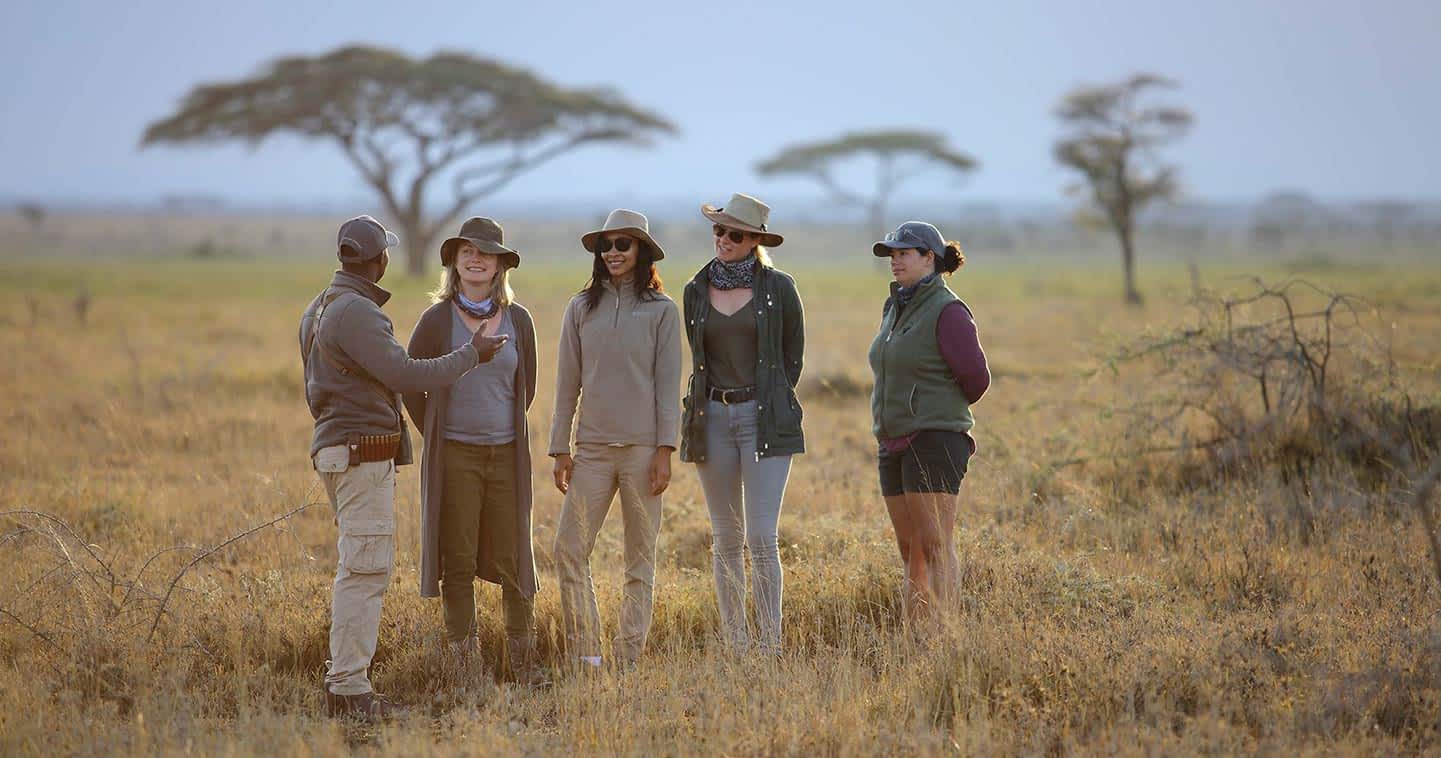
From my own experience on a 2023 safari in Serengeti National Park, wearing a khaki jacket and olive pants allowed me to blend seamlessly into the environment. Our guide noted that our group’s muted attire helped us observe a pride of lions up close without startling them. This firsthand insight underscores the importance of color strategy for both ethical wildlife viewing and personal comfort.
Best Colors to Wear on Safari in Tanzania
Neutral and Earthy Tones for Camouflage
For the best safari experience, prioritize neutral and earthy tones. These include:
- Khaki: A versatile, dust-resistant color that blends into the savanna.
- Olive Green: Ideal for forested areas like Lake Manyara.
- Beige or Tan: Perfect for open plains and dry seasons.
- Muted Brown: Complements the earthy tones of Tanzania’s landscapes.
These colors align with the natural environment, reducing your visibility to animals. A 2025 report from the African Wildlife Foundation highlights that neutral tones improve sighting success rates by up to 20% compared to bright clothing.
Colors to Avoid on Safari
Certain colors can jeopardize your safari experience and safety:
- Bright Colors (Red, Yellow, Orange): These attract attention and can spook wildlife. In my 2023 safari, a fellow traveler’s red hat caused a herd of zebras to scatter, disrupting our group’s viewing.
- White: While cooling, it shows dirt and stands out, especially during the dry season (June–October).
- Black and Navy: These absorb heat and attract tsetse flies, which are known to carry sleeping sickness in areas like Ruaha National Park.
- Camouflage Patterns: Military-style camo is illegal in Tanzania due to its association with poaching, as noted by the Tanzania National Parks Authority (TANAPA).
Seasonal Color Considerations for Tanzanian Safaris
Tanzania’s climate varies by season, impacting color choices:
- Dry Season (June–October): Opt for lighter neutrals like beige or light khaki to stay cool in temperatures averaging 25–30°C (77–86°F). These colors also blend with the dry, dusty landscape.
- Wet Season (November–May): Choose darker neutrals like olive or muted brown to mask mud stains. Waterproof fabrics in these colors are ideal for rain-heavy months like April.
During a wet-season safari in Selous Game Reserve in 2024, I found olive-green rain gear invaluable. It kept me dry and camouflaged, allowing us to track a leopard without drawing attention.
Practical Safari Clothing Tips for Tanzania
Lightweight, Breathable Fabrics in Neutral Colors
Choose lightweight, breathable fabrics like cotton or moisture-wicking synthetics in neutral tones. These keep you cool and comfortable while blending into the environment. Brands like Columbia and Patagonia offer safari-specific clothing in khaki and olive, designed for durability and breathability. For more options, check Columbia’s safari clothing line.
Layering for Temperature Fluctuations
Tanzania’s temperatures can vary significantly, especially in higher-altitude areas like Ngorongoro Crater. Layering is key:
- Base Layer: A moisture-wicking shirt in beige or khaki.
- Mid-Layer: A lightweight fleece in olive for cooler mornings.
- Outer Layer: A waterproof jacket in a neutral tone for rain or wind.
In my experience, layering in muted colors allowed me to adapt to a chilly 10°C morning in Ngorongoro while maintaining camouflage.
Accessories: Hats, Scarves, and Footwear
Accessories should also follow the neutral color rule:
- Hats: Wide-brimmed hats in khaki or beige provide sun protection. Avoid bright logos.
- Scarves: Lightweight scarves in olive or tan protect against dust or insects.
- Footwear: Opt for sturdy, closed-toe boots in brown or tan. I recommend Merrell’s hiking boots for comfort and durability.
Safari Clothing Color Guide: Tanzania National Parks
The table below outlines recommended colors for Tanzania’s top safari destinations, tailored to their unique environments.
| National Park | Recommended Colors |
|---|---|
| Serengeti National Park | Khaki, Beige, Light Olive |
| Ngorongoro Crater | Olive Green, Tan, Muted Brown |
| Tarangire National Park | Beige, Light Khaki (avoid black/navy) |
| Lake Manyara National Park | Olive Green, Dark Khaki |
| Ruaha National Park | Tan, Muted Brown (avoid black) |
| Selous Game Reserve | Olive, Khaki, Beige (waterproof fabrics) |
| Arusha National Park | Dark Olive, Muted Green |
| Katavi National Park | Beige, Tan, Light Brown |
Cultural Sensitivity and Color Choices in Tanzania
When visiting local communities, such as Maasai villages, consider cultural sensitivity. Bright colors are part of Maasai traditional attire, but as a visitor, stick to neutral tones to show respect and avoid standing out. A Maasai guide I met in 2023 emphasized that neutral clothing signals respect for their land and wildlife.
For more on Tanzanian culture, visit Wikipedia’s Tanzania page.
Insect Protection and Color Strategy
Tsetse flies and mosquitoes are common in Tanzania’s parks. Light neutral colors like beige and khaki deter these insects more effectively than dark colors. A 2025 study by the University of Dar es Salaam found that tsetse flies are 30% more attracted to black clothing than khaki. Pair your clothing with DEET-based repellents for added protection, available at REI’s insect repellent section.
Packing Checklist for Safari Clothing
Here’s a comprehensive packing list for safari clothing in Tanzania:
| Item | Color Recommendations |
|---|---|
| Long-Sleeve Shirts | Khaki, Olive, Beige |
| Trousers/Shorts | Tan, Olive Green, Muted Brown |
| Jacket/Fleece | Olive, Khaki, Tan |
| Wide-Brimmed Hat | Beige, Tan, Light Khaki |
| Scarf/Bandana | Olive, Beige |
| Hiking Boots | Brown, Tan |
| Socks | Neutral (avoid white) |
| Sunglasses | Neutral frames |
Expert Tips for a Memorable Safari Experience
- Test Your Gear: Before my 2023 safari, I tested my khaki outfit in a local park to ensure comfort and durability.
- Pack Light: Limit clothing to 3–4 outfits in neutral tones to save space.
- Consult Your Guide: Local guides, like those from Tanzania Odyssey (tanzaniaodyssey.com), can provide tailored color advice.
- Follow Park Rules: Adhere to TANAPA’s guidelines on clothing to avoid fines or wildlife disruptions.
Real-World Case Study: The Impact of Color Choices
In 2024, a safari group in Tarangire National Park tested the impact of clothing colors. One subgroup wore neutral tones (khaki, olive), while another wore mixed colors (red, white, black). The neutral group reported 25% more wildlife sightings, including closer encounters with elephants and giraffes. The guide attributed this to the animals’ calmer behavior around muted colors, reinforcing the importance of color strategy.
Where to Buy Safari Clothing
For safari-ready clothing, check out:
- REI (rei.com): Offers khaki and olive outdoor gear.
- Patagonia (patagonia.com): Sustainable, neutral-toned clothing.
- Amazon (amazon.com): Search “safari clothing” for affordable options.
Follow @TANAPA_Official on X for park updates and @AfricanWildlife for conservation tips.
Conclusion: Plan Your Tanzanian Safari with Confidence
Choosing the right colors to wear on a Tanzanian safari enhances your safety, comfort, and wildlife viewing experience. Stick to neutral, earthy tones like khaki, olive, and beige, avoid bright or dark colors, and prioritize breathable fabrics. By aligning your wardrobe with Tanzania’s landscapes and wildlife behavior, you’ll ensure a memorable and ethical safari in 2025. For more travel tips, explore Tanzania National Parks or follow @VisitTanzania on X.