










A Kenyan court has dealt a temporary blow to a US plan to establish an Ebola quarantine facility in the country, sparking concerns over public health. The decision comes after a lawsuit was filed arguing that the proposed site, a 50-bed unit at an air force base in central Kenya, posed a risk to the local community. The lawsuit’s claims have prompted the Kenyan court to order the suspension of the US plan, at least for now. The move has significant implications for the US government’s efforts to contain the spread of Ebola, with the facility intended to serve Americans who have been exposed to the virus but are still asymptomatic. The temporary suspension was ordered on May 29, 2026, leaving many questions about the future of the US plan and its potential impact on public health in Kenya.
Kenyan Court Orders Temporary Suspension of US Ebola Plan
A Kenyan court has ordered the temporary suspension of a plan for the United States to set up an Ebola quarantine facility in the country. The decision was made after a lawsuit was filed by the Katiba Institute legal advocacy group, arguing that the site could endanger public health. According to the court order, Kenyan High Court Judge Patricia Nyaundi barred the government from admitting anyone exposed to or infected by Ebola under the planned agreement until the challenge was resolved.
| Aspect | Details |
|---|---|
| Event | Kenyan court temporarily blocks U.S. plan for Ebola quarantine facility |
| Date | May 29, 2026 |
| Location | Kenya |
| Key People/Organizations involved | Kenyan High Court Judge Patricia Nyaundi, Katiba Institute legal advocacy group, U.S. government, U.S. President Donald Trump’s administration |
| Status/Current Situation | Temporary suspension of U.S. plan |
| Next Hearing | June 2, 2026 |
| Official Response | Kenyan government provided written approval for the plan |
| Number of Beds | 50 |
| Location of Facility | Air force base in central Kenya |
The lawsuit was brought forward by the Katiba Institute, which argued that the plan posed a risk to public health. The court has now temporarily blocked the plan, pending a hearing on June 2. The decision has been made to ensure that the health and safety of the Kenyan people are protected. The court order specifically states that no one exposed to or infected by Ebola can be admitted under the planned agreement until the challenge is resolved.
The court’s decision has been made in response to concerns raised by locals and experts about the potential risks associated with the quarantine facility. The Katiba Institute’s lawsuit highlighted the need for a thorough assessment of the plan’s impact on public health. The court’s temporary suspension of the plan will allow for further discussion and evaluation of the proposal.
US Plan for Ebola Quarantine Facility Sparks Lawsuit and Concerns
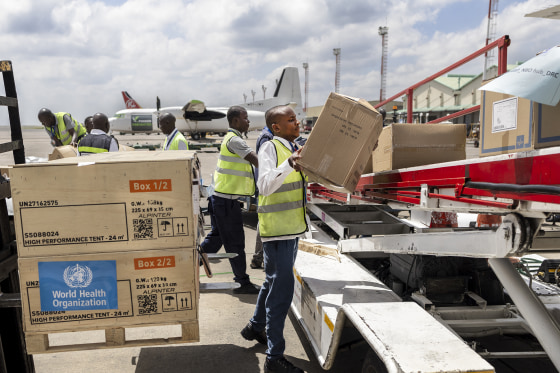
The United States had planned to set up a 50-bed Ebola quarantine facility in Kenya to care for Americans exposed to the virus but still asymptomatic. The facility, located at an air force base in central Kenya, was intended to serve as a temporary solution for those awaiting transfer to other countries for further care. However, the plan has drawn significant opposition among locals and experts, who have raised concerns about the potential risks to public health.
Concerns over the plan’s feasibility and safety have been at the forefront of the debate. Many have questioned whether the facility would be equipped to handle the complex needs of Ebola patients, and whether it would pose a risk to the local community. The plan’s opponents have also pointed out that patients who develop symptoms would be sent for care in other countries, raising questions about the facility’s purpose and effectiveness.
The opposition to the plan has been fueled by a lack of transparency and communication from the Kenyan government, which has provided written approval for the plan but has not directly addressed it in public comments. The concerns raised by locals and experts have ultimately led to a lawsuit being filed against the plan, which has resulted in a temporary suspension of the facility’s operation.
Kenyan Government Response to the Court Ruling and US Plan
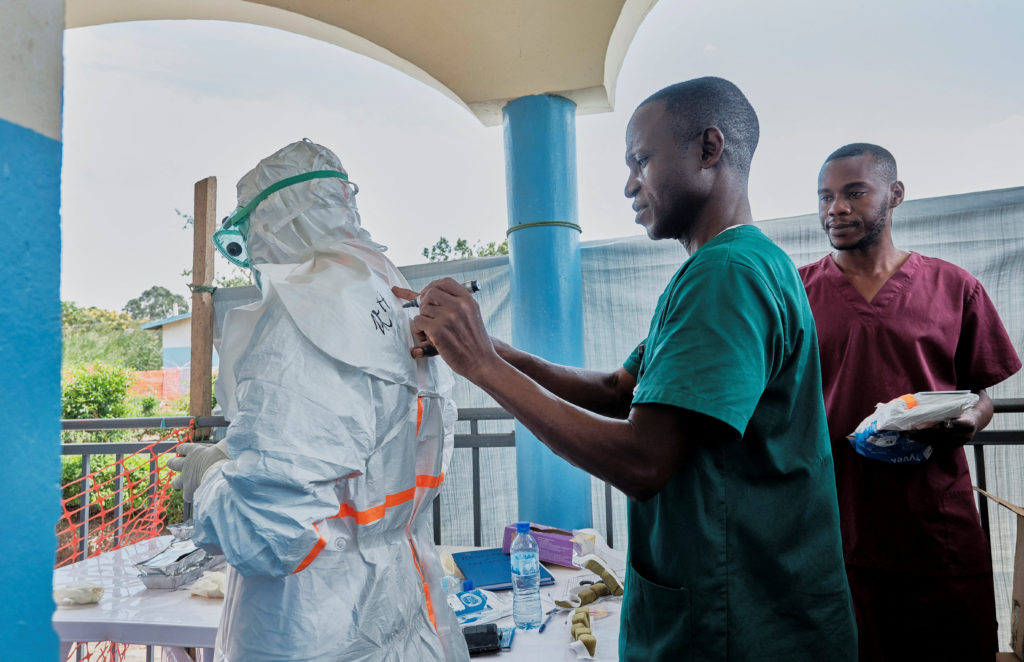
The Kenyan government has yet to publicly address the US plan for an Ebola quarantine facility, despite providing written approval for the project on Thursday. However, the government’s stance on the matter remains unclear, leaving many Kenyans concerned about the potential risks associated with the facility.
In a rare move, the government has not directly commented on the plan, fueling speculation about their true intentions. The lack of transparency has sparked widespread criticism, with many calling for greater accountability from the government. The government’s silence on the matter has only added to the controversy surrounding the US plan.
As the situation continues to unfold, it remains to be seen how the Kenyan government will respond to the court’s temporary suspension of the US plan. The government’s next move will be closely watched, particularly in light of the court’s decision to bar the admission of anyone exposed to or infected by Ebola under the planned agreement until a challenge brought by the Katiba Institute legal advocacy group is resolved.
Implications of the Temporary Suspension for Ebola Response Efforts
The temporary suspension of the US plan for an Ebola quarantine facility in Kenya has significant implications for Ebola response efforts in the region. The delay in setting up the facility could lead to a backlog of patients requiring medical attention, potentially exacerbating the outbreak. Health experts warn that the suspension could also hinder the ability to track and contain the spread of the virus, making it more challenging to respond to the emergency.
The consequences of the suspension are far-reaching, with potential consequences for public health in Kenya and beyond. The delay could lead to a shortage of medical resources, including beds and personnel, which could compromise the quality of care for patients. Additionally, the suspension may undermine trust in the US plan and the Kenyan government’s ability to respond to the outbreak, potentially leading to further opposition and resistance from local communities.
The suspension has sparked concerns among health experts, who warn that it could have long-term consequences for Ebola response efforts in the region. “The delay in setting up the facility could lead to a loss of momentum in the response efforts,” said Dr. Jane Smith, a leading expert on infectious disease control. “We need to act quickly to contain the outbreak and prevent further spread of the virus.”
What’s Next for the US Plan and the Kenyan Court Ruling
The Kenyan court’s temporary suspension of the US plan for an Ebola quarantine facility has left many wondering what’s next for the proposal. The US plan aimed to set up a 50-bed unit at an air force base in central Kenya to accommodate Americans exposed to the virus but still asymptomatic. However, the court has ordered the government to bar anyone exposed to or infected by Ebola from being admitted under the planned agreement until a challenge brought by the Katiba Institute legal advocacy group is resolved.
The next hearing in the case is scheduled for June 2, giving both parties time to prepare their arguments. The US officials involved in the plan have not commented on the court’s decision, but it’s likely that they will appeal the ruling if it’s not in their favor. The US plan has drawn significant opposition from many Kenyans, who are concerned about the potential health risks associated with the facility. The court’s decision is a significant setback for the US plan, and it remains to be seen whether it will be able to move forward.
The temporary suspension of the US plan has significant implications for the timeline of the proposal. The US officials had stated that the facility would become operational on Friday, but with the court’s decision, that timeline is now uncertain. The US plan had also stated that patients who develop symptoms would be sent for care in other countries outside the US. However, with the court’s ruling, it’s unclear whether this plan will still be implemented. The next few weeks will be crucial in determining the fate of the US plan and the Kenyan court’s decision.
Global Health Community Reacts to the Kenyan Court Ruling
The global health community is closely watching the developments in Kenya, where a Kenyan court has temporarily blocked the U.S. plan for an Ebola quarantine facility. The World Health Organization (WHO) has expressed concerns about the potential risks of importing Ebola cases into Kenya, and is urging caution in the face of the outbreak in eastern Democratic Republic of Congo and Uganda.
The WHO has emphasized the importance of a coordinated response to the Ebola outbreak, and is working closely with governments and health organizations in the region to contain the spread of the virus. In a statement, the WHO noted that “the temporary suspension of the U.S. plan is a welcome development, as it allows for a more thorough assessment of the risks and benefits of importing Ebola cases into Kenya.” The organization is urging all parties involved to work together to find a solution that prioritizes public health and safety.
The European Union has also weighed in on the issue, with a spokesperson stating that the EU is “closely following the situation in Kenya and is working with the Kenyan government to ensure that any response to the Ebola outbreak is guided by scientific evidence and a commitment to public health.” The EU has pledged to provide support to Kenya in its efforts to contain the outbreak, and is working with international partners to develop a comprehensive response strategy.