








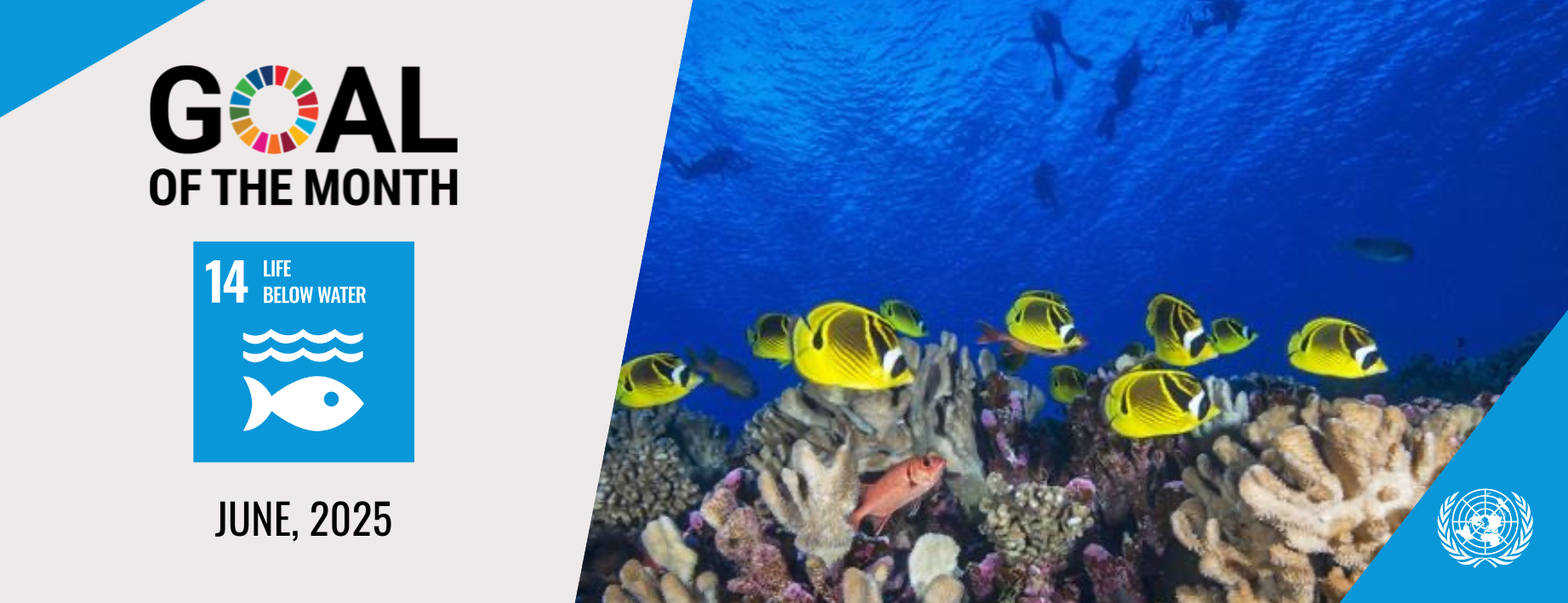
Global Efforts to Protect the Ocean Gain Momentum. The United Nations’ Sustainable Development Goal 14, Life Below Water, has taken center stage as countries and partners accelerate progress to safeguard the ocean. With the ocean covering more than 70% of the Earth’s surface and sustaining life across the planet, the need for urgent action has never been more pressing. New ocean agreements and community-led conservation efforts are underway, while the Pact for the Future reinforces commitments to protect the ocean through stronger international cooperation and science-based action.
The Importance of Marine Ecosystems
The ocean plays a vital role in sustaining life across the planet, producing 70% of the Earth’s oxygen, regulating the climate, supporting biodiversity, and providing livelihoods for billions of people. This fragile ecosystem faces unprecedented threats, from extreme plastic pollution to rising acidity, which can have devastating consequences for the health of the planet. Without a healthy ocean, there can be no healthy planet, as emphasized by António Guterres, UN Secretary-General.
| Aspect | Details |
|---|---|
| Event | Goal of the Month – Goal 14: Life Below Water |
| Date | 2 days ago |
| Location | Earth’s surface and ocean |
| Key People/Organizations involved | António Guterres, UN Secretary-General |
| Status/Current Situation | Accelerating progress toward Sustainable Development Goal 14 |
| Impact/Casualties | Threats to the ocean’s fragile ecosystem, including extreme plastic pollution and rising acidity |
| Official Response | The Pact for the Future reinforces commitments to protect the ocean |
| Countries Involved | 81 countries that have ratified the BBNJ Agreement |
| Statistics | 18,200 marine protected areas, 199 area-based conservation measures covering over 8.12% of the ocean |
| Economic Impact | World’s coastal populations contribute an estimated $1.5 trillion each year, expected to grow to $3 trillion by 2030 |
| Agreement | WTO Agreement on Fisheries Subsidies, with 120 members accepting it as of 2026 |
The ocean’s importance extends beyond its ecological value, as it also provides a significant source of income for coastal populations. In fact, the world’s coastal populations currently contribute an estimated $1.5 trillion each year, with this figure expected to grow to $3 trillion by 2030. The ocean’s economic importance is a key aspect of its overall significance, highlighting the need for sustainable management and conservation practices.
The importance of marine ecosystems is closely tied to the concept of sustainable development, which recognizes the interconnectedness of economic, social, and environmental goals. By prioritizing the health of the ocean, we can also promote sustainable development and ensure a healthy planet for future generations. This requires a concerted effort from governments, businesses, and individuals to work together towards a common goal of protecting the ocean and its resources.
Global Cooperation for Ocean Conservation
The United Nations is working to accelerate progress toward Sustainable Development Goal 14, which aims to conserve and sustainably use the world’s oceans. Countries and partners are coming together to protect the ocean through stronger international cooperation, science-based action, sustainable financing, and renewed efforts to address climate change, biodiversity loss, and marine pollution. This global cooperation is crucial for safeguarding the ocean’s fragile ecosystem, which produces oxygen, regulates the climate, supports biodiversity, and provides livelihoods for billions of people.
The Pact for the Future reinforces commitments to protect the ocean, building on the progress made with the BBNJ Agreement, which has entered into force and requires the 81 countries that have ratified it to implement its rules at the national level. As of May 2024, there are 18,200 marine protected areas and 199 area-based conservation measures covering over 8.12 percent of the ocean. This progress is a significant step towards achieving the goal of conserving and sustainably using the world’s oceans.
The global cooperation on ocean conservation is also reflected in the WTO Agreement on Fisheries Subsidies, which curbs harmful practices like overfishing. As of 2026, 120 members have accepted this agreement, marking a significant milestone in the effort to protect the world’s oceans. The world’s coastal populations currently contribute an estimated $1.5 trillion each year – with that figure expected to grow to $3 trillion by 2030. This highlights the importance of sustainable development and the need for continued global cooperation to protect the ocean’s resources.
Challenges Facing Marine Ecosystems

The ocean, which covers over 70% of the Earth’s surface, is a fragile ecosystem that faces unprecedented threats. These threats include extreme plastic pollution and rising acidity, which can have devastating effects on marine life and the planet as a whole. The ocean plays a crucial role in producing oxygen, regulating the climate, supporting biodiversity, and providing livelihoods for billions of people.
The consequences of neglecting the ocean’s health can be severe. Without a healthy ocean, there can be no healthy planet, as stated by António Guterres, the UN Secretary-General. The ocean’s decline can have far-reaching impacts on the environment, economies, and human well-being. It is essential to address these challenges through sustainable development and environmental protection.
The world’s coastal populations currently contribute an estimated $1.5 trillion each year, with this figure expected to grow to $3 trillion by 2030. This highlights the importance of protecting the ocean and its resources for future generations.
Sustainable Development and Marine Ecosystems
The ocean plays a vital role in sustaining life on Earth, producing oxygen, regulating the climate, and supporting biodiversity. However, this fragile ecosystem faces unprecedented threats, including extreme plastic pollution and rising acidity. To address these challenges, countries and partners are working to accelerate progress toward Sustainable Development Goal 14 and safeguard the ocean for future generations.
The Pact for the Future reinforces commitments to protect the ocean through stronger international cooperation, science-based action, sustainable financing, and renewed efforts to address climate change, biodiversity loss, and marine pollution. This agreement has led to significant progress, with 81 countries that have ratified the BBNJ Agreement legally required to implement its rules at the national level. As of May 2024, there are 18,200 marine protected areas and 199 area-based conservation measures covering over 8.12 percent of the ocean.
The economic benefits of a healthy ocean are also significant, with the world’s coastal populations contributing an estimated $1.5 trillion each year – a figure expected to grow to $3 trillion by 2030. The WTO Agreement on Fisheries Subsidies has also curbed harmful practices like overfishing, with 120 members having accepted it as of 2026.
Celebrating Successes and Inspiring Action
The ocean’s vital role in sustaining life on Earth cannot be overstated. It covers more than 70% of the planet’s surface, producing oxygen, regulating the climate, supporting biodiversity, and providing livelihoods for billions of people. However, this fragile ecosystem faces unprecedented threats, from extreme plastic pollution to rising acidity, which puts the very foundation of life at risk.
The ocean’s economic importance cannot be ignored. The world’s coastal populations currently contribute an estimated $1.5 trillion each year, with that figure expected to grow to $3 trillion by 2030. This highlights the need for sustainable management of marine resources to ensure the ocean’s continued contribution to global economic growth. Moreover, the ocean’s role in regulating the climate cannot be overstated, with its ability to absorb carbon dioxide playing a crucial part in mitigating the effects of climate change.
As the world grapples with the challenges facing marine ecosystems, it is essential to recognize the importance of environmental protection and global cooperation in safeguarding the ocean for future generations. The United Nations Secretary-General, António Guterres, has emphasized the need for a healthy ocean, stating, “Without a healthy ocean, there can be no healthy planet.” This sentiment underscores the critical need for collective action to protect the ocean and ensure a sustainable future for all.
What’s Next for Ocean Conservation?
The international community is working to accelerate progress toward Sustainable Development Goal 14, with a focus on safeguarding the ocean for future generations. The Pact for the Future reinforces commitments to protect the ocean through stronger international cooperation, science-based action, sustainable financing, and renewed efforts to address climate change, biodiversity loss, and marine pollution. This agreement has entered into force, with 81 countries that have ratified it legally required to implement its rules at the national level.
The implementation of the BBNJ Agreement is a significant step towards achieving SDG 14. As of May 2024, there are 18,200 marine protected areas and 199 area-based conservation measures covering over 8.12 percent of the ocean. The WTO Agreement on Fisheries Subsidies has also been ratified by 120 members, curbing harmful practices like overfishing. The world’s coastal populations currently contribute an estimated $1.5 trillion each year, with that figure expected to grow to $3 trillion by 2030.
The United Nations is committed to protecting the ocean through stronger international cooperation and science-based action. The Secretary-General, António Guterres, has emphasized the importance of a healthy ocean, stating that “Without a healthy ocean, there can be no healthy planet.” The international community is working together to address the challenges facing marine ecosystems and to achieve the targets set out in SDG 14.