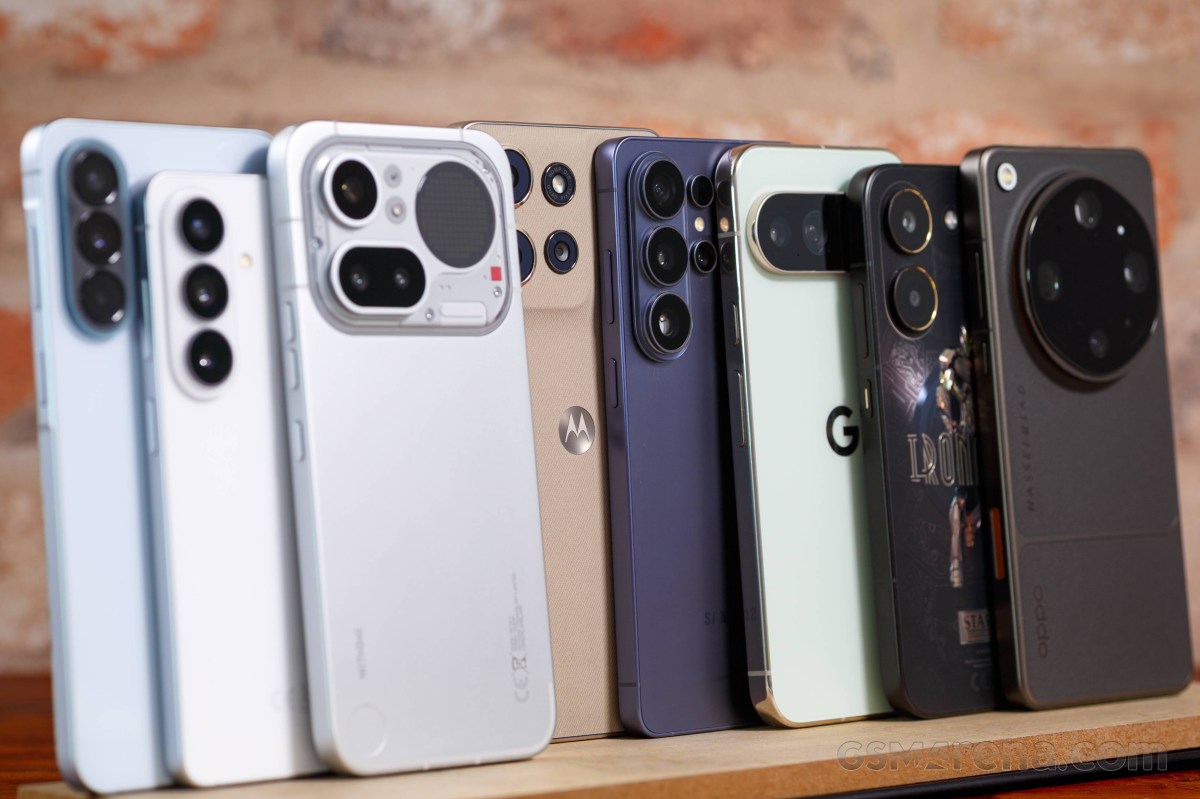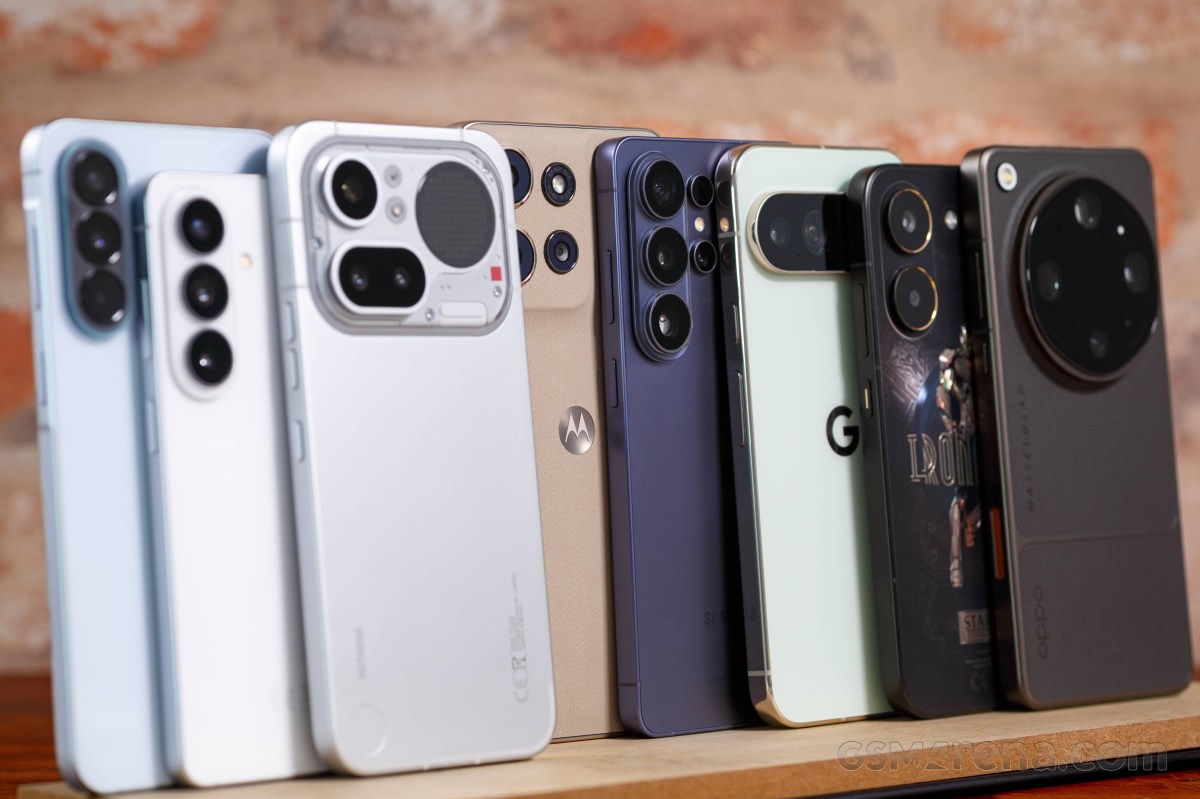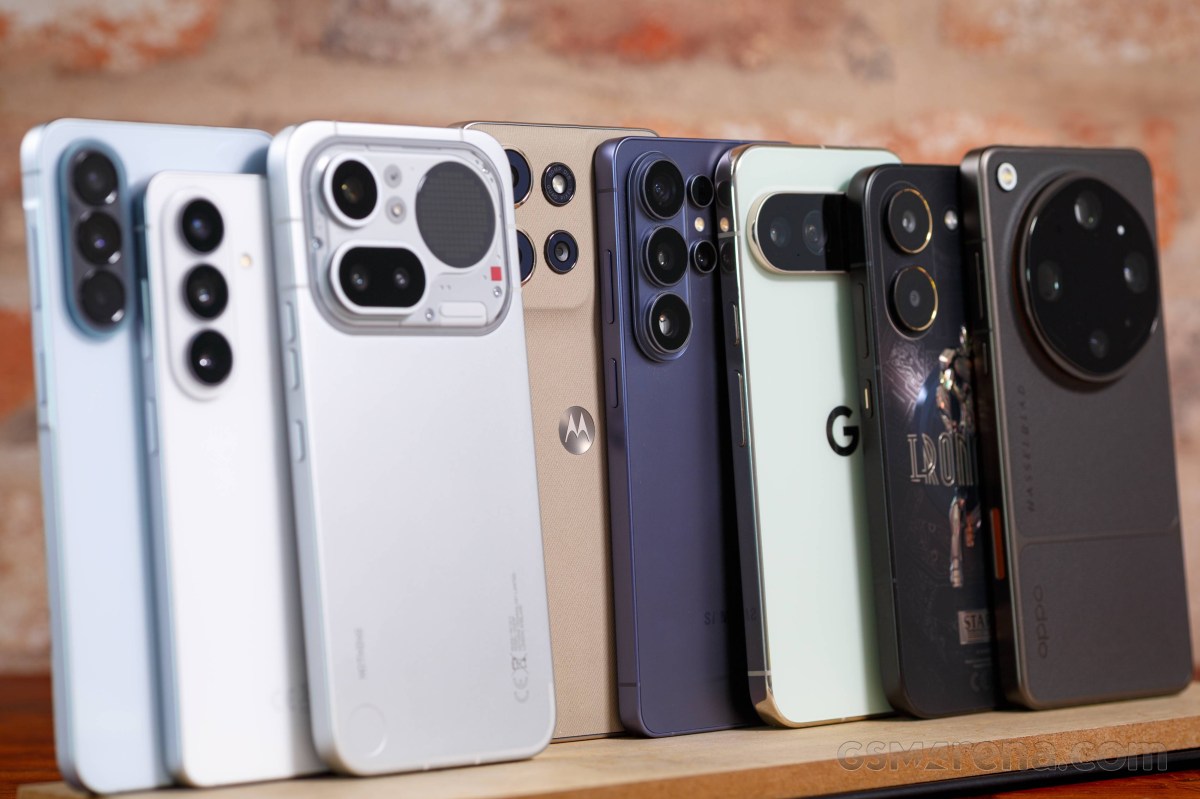








As we continue to push the boundaries of mobile technology, the latest developments in smartphone chipsets have left us stunned. In a remarkable shift, the gap between the fastest and slowest mobile processors has grown to an astonishing 15 times in just two and a half years. This staggering disparity raises questions about the role of raw processing power in determining a phone’s overall performance. With hundreds of new devices hitting the market every year, it’s becoming increasingly difficult to make sense of the complex landscape of mobile silicon. Amidst this chaos, we’ve decided to take a step back and examine the fundamental differences between the fastest and slowest mobile chipsets of 2026.
The State of Smartphone Processors in 2026: A Rapidly Evolving Landscape
The rapid evolution of smartphone processors has led to a wildly diverse landscape in 2026. The disparity in performance between the fastest and slowest mobile chipsets is staggering, with the former being roughly 15 times more powerful than the latter. This significant gap highlights the importance of raw computational power in demanding workloads. However, it’s essential to note that performance is not the only factor influencing a smartphone’s overall speed and responsiveness.
| Aspect | Details |
|---|---|
| Event | Fastest mobile chipsets ranked and compared |
| Date | 1 day ago |
| Key People/Organizations involved | Qualcomm, Mediatek |
| Status/Current Situation | The gap between smartphone chips in 2026 is absurd |
| Methodology | Comparison of 70 smartphone chips using GeekBench single-core, GeekBench multi-core, and 3DMark Wild Life Extreme benchmarks |
| Timeframe | Last two and a half years |
| Number of Devices | 70 smartphone chips |
| Number of Benchmarks | 3 (GeekBench single-core, GeekBench multi-core, and 3DMark Wild Life Extreme) |
Software optimization, thermal management, storage speed, and app behavior all play a crucial role in determining how fast a phone feels in everyday use. Despite the emphasis on raw performance, manufacturers are also focusing on other aspects to improve user experience. The increasing diversity of mobile silicon has led to a wide range of options for consumers, with different chipsets catering to various needs and budgets.
As the mobile hardware landscape continues to evolve, it’s essential to consider the broader implications of these advancements. The rapidly changing nature of smartphone processors has significant consequences for manufacturers, users, and the industry as a whole. In the following sections, we will delve deeper into the impact of these developments and explore what the future holds for smartphone processors.
Ranking the Fastest Mobile Chipsets: 2026’s Top Performers

The fastest mobile chipsets of 2026 have been ranked, and the results are staggering. With a gap of roughly 15 times between the top-performing and bottom-performing chipsets, it’s clear that raw performance is becoming increasingly important in the world of smartphones. But what does this mean for users and manufacturers alike? To find out, we’ve taken a closer look at the latest smartphone chipsets and how they stack up against one another.
Benchmarking the Competition
To compare the performance of these chipsets, we’ve used three key benchmarks: GeekBench single-core, GeekBench multi-core, and 3DMark Wild Life Extreme. These tests provide a comprehensive picture of a chipset’s raw computational power and graphics capabilities. Our results show that some chipsets are significantly outperforming others, with Qualcomm and Mediatek leading the pack. But what sets these chipsets apart from their competitors?
By stripping away the extraneous features and focusing solely on CPU and GPU performance, we’ve been able to identify the top-performing chipsets of 2026. With median scores used where multiple devices with the same chipset were tested, our results provide a fair and accurate representation of each chipset’s capabilities. Whether you’re a power user or a casual smartphone enthusiast, understanding the performance of your device’s chipset is more important than ever.
The Gap Between Smartphone Chips: A Growing Concern for Manufacturers

The gap between smartphone chips has become increasingly apparent, with a significant disparity in performance between the fastest and slowest mobile chipsets. This issue is a growing concern for manufacturers, as it highlights the varying levels of computational power available in modern smartphones. The fastest chip we’ve tested is roughly 15 times more powerful than the slowest one still found in modern smartphones. This stark contrast underscores the diversity of mobile silicon, where raw performance is just one aspect that contributes to a phone’s overall speed and responsiveness.
While raw performance is essential, it’s not the only factor that determines a phone’s speed. Software optimization, thermal management, storage speed, and app behavior all play a huge role in how fast a phone actually feels day to day. However, when it comes to demanding workloads, brute computational power remains the most critical factor. To better understand the performance differences between various chipsets, a recent comparison focused on raw chipset performance using three benchmarks from a review database: GeekBench single-core, GeekBench multi-core, and 3DMark Wild Life Extreme.
This comparison highlights the varying levels of performance across 70 smartphone chips from the last two and a half years. The results are sourced from our own device reviews, with median scores used where multiple devices with the same chipset were tested. To make the charts more accessible, the tool uses a dynamic 100% baseline system, allowing users to view the performance of each chipset relative to others. This provides a clear and concise way to compare the performance of different mobile chipsets.
What Does This Mean for Smartphone Users and the Industry?
The significant gap between smartphone chipsets has a profound impact on the industry and smartphone users alike. As the fastest mobile chipsets are roughly 15 times more powerful than the slowest ones, it raises questions about the value of investing in high-end devices. The fact that both can run the same apps and games suggests that raw performance isn’t the only factor determining a phone’s overall speed.
Software optimization, thermal management, storage speed, and app behavior all play a crucial role in how fast a phone feels day-to-day. However, when it comes to demanding workloads, brute computational power still takes center stage. This is why a comparison of raw chipset performance is essential in understanding the differences between various smartphone processors. By focusing on CPU and GPU performance, users can make informed decisions about which devices to choose.
The implications of this gap are far-reaching, with manufacturers facing pressure to improve their offerings. As the industry continues to evolve, it will be interesting to see how companies adapt to the changing landscape. For users, this means more options and potentially better performance, but it also raises questions about the value of investing in high-end devices.
Expert Insights: What’s Driving the Rapid Advancements in Smartphone Processors?
The rapid advancements in smartphone processors are a result of manufacturers pushing the boundaries of what is possible with mobile silicon. A 15-fold difference in raw performance between the fastest and slowest chipsets highlights the vast disparity in capabilities. However, this gap is not solely driven by raw power, as other factors such as software optimization, thermal management, and storage speed also play a crucial role in determining a phone’s overall performance.
When it comes to demanding workloads, brute computational power remains the key differentiator. To understand the scope of this difference, a comparison of 70 smartphone chips from the last two and a half years was conducted using three benchmarks: GeekBench single-core, GeekBench multi-core, and 3DMark Wild Life Extreme. The results show a stark contrast in performance, with the fastest chipsets far outpacing their slower counterparts.
This disparity in performance is not necessarily reflected in real-world usage, as many apps and games can run smoothly on even the slower chipsets. However, for users who demand more from their devices, the difference can be significant. As manufacturers continue to innovate and push the boundaries of what is possible with mobile silicon, we can expect to see even more impressive advancements in the years to come.
Conclusion: The Future of Smartphone Processors in 2026 and Beyond
The future of smartphone processors in 2026 and beyond is looking increasingly diverse, with a significant gap in performance between the fastest and slowest chipsets. The fastest chip we’ve tested is roughly 15 times more powerful than the slowest one still found in modern smartphones, highlighting the vast disparities in raw computational power. While software optimization, thermal management, storage speed, and app behavior play a crucial role in how fast a phone feels day-to-day, demanding workloads still require brute computational power.
In our comparison, we focused on raw chipset performance using three benchmarks from our review database: GeekBench single-core, GeekBench multi-core, and 3DMark Wild Life Extreme. This allowed us to strip away the noise and get to the fundamentals of CPU and GPU performance across 70 smartphone chips from the last two and a half years. The results show a clear hierarchy, with top performers dominating the charts and struggling to keep up at the lower end.
As the smartphone industry continues to evolve, it’s clear that manufacturers are pushing the boundaries of what’s possible with mobile silicon. With the gap between the fastest and slowest chipsets only set to grow, it’s an exciting time for enthusiasts and developers alike. As we look to the future, one thing is certain: the performance of smartphone processors will only continue to improve, with new technologies and innovations driving the industry forward.