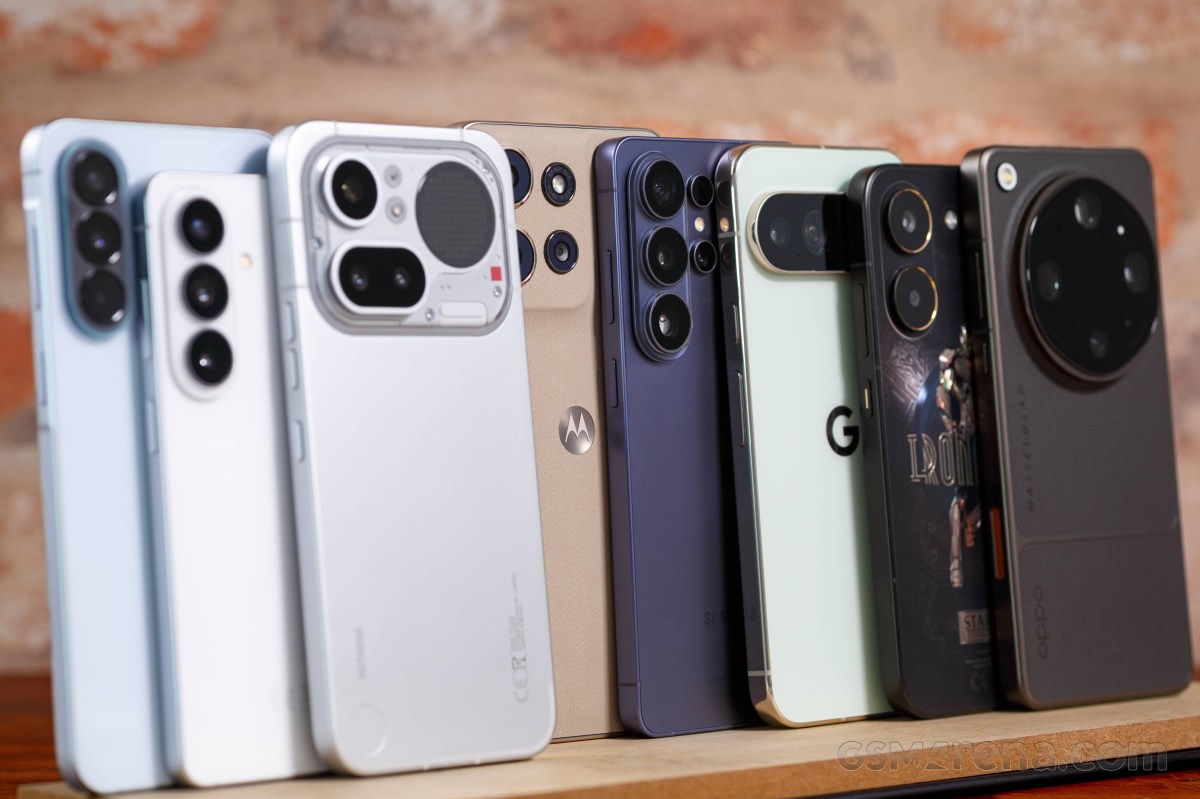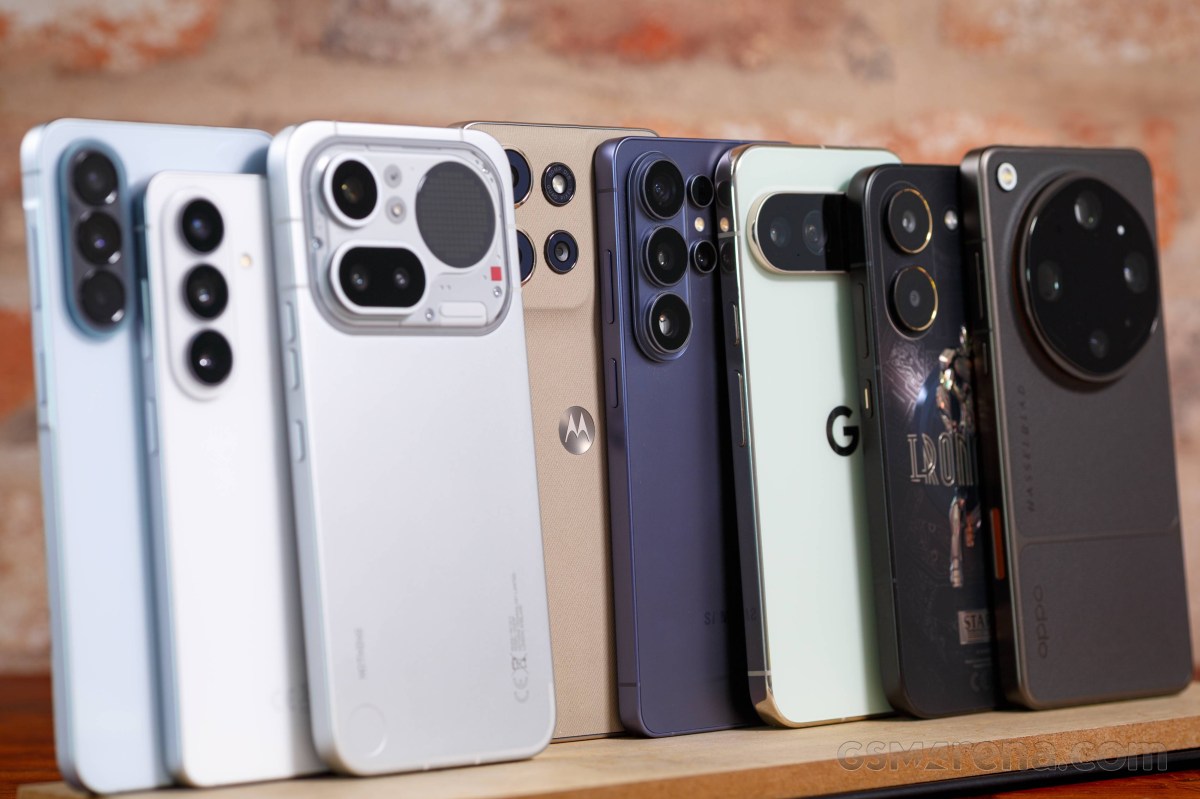









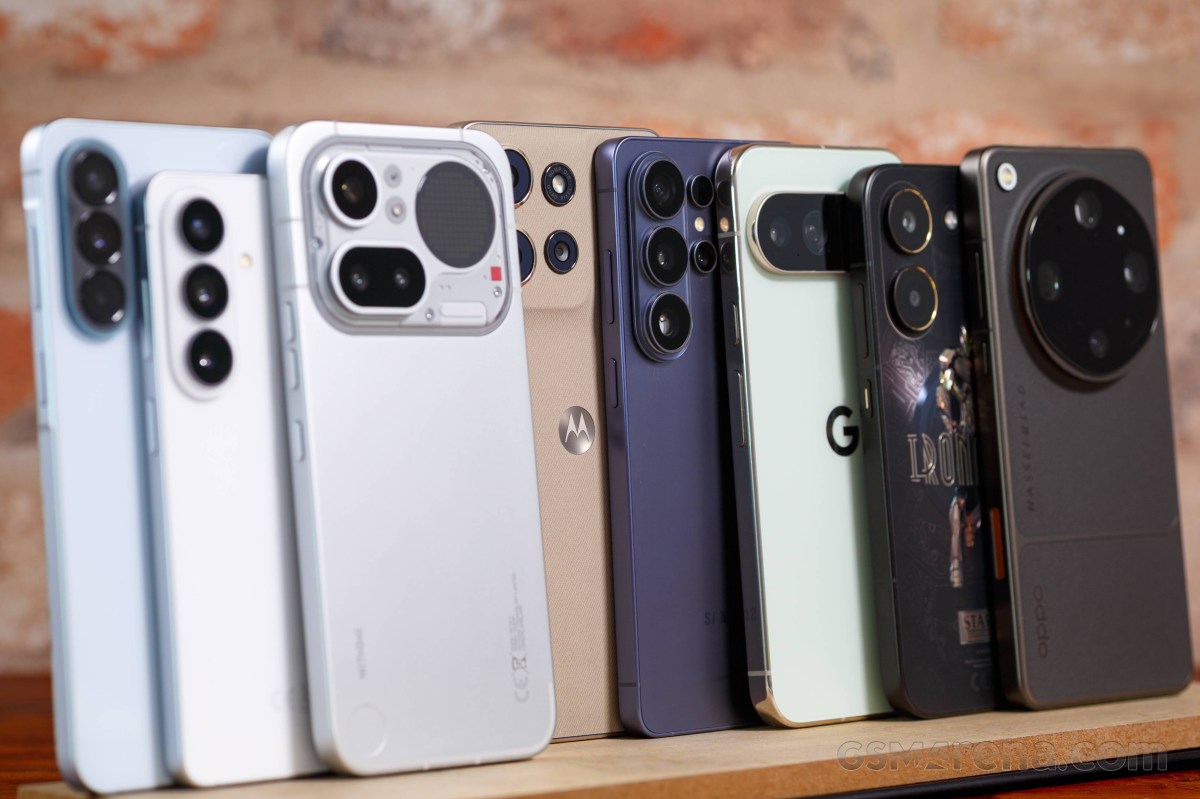
The world of mobile technology has witnessed a staggering transformation in recent years, with smartphone processors reaching unprecedented speeds in the latest benchmarks. The gap between the fastest and slowest mobile chipsets has become absurd, with the former being roughly 15 times more powerful than the latter. This remarkable disparity has raised questions about the role of raw performance in determining a phone’s overall speed and efficiency. The last two and a half years have seen a surge in innovation, with top mobile chipsets from manufacturers like Qualcomm and Mediatek pushing the boundaries of what is possible. As a result, the mobile landscape has become increasingly diverse, with a wide range of devices catering to different needs and budgets. Despite the growing importance of software optimization and other factors, brute computational power remains a key determinant of a phone’s performance, particularly when it comes to demanding workloads.
Rapid Advancements in Mobile Chip Technology
The mobile chip industry has witnessed rapid advancements in recent years, leading to a significant increase in smartphone performance. One of the key innovations driving this progress is the development of more powerful and efficient chipsets. Qualcomm and Mediatek, two of the leading players in the market, have been at the forefront of this revolution. Their latest offerings have enabled smartphones to deliver faster processing speeds, improved graphics, and enhanced overall performance.
| Aspect | Details |
|---|---|
| Event | Fastest mobile chipsets ranked and compared |
| Date | 1 day ago (June 6, 2026) |
| Location | Global (smartphones) |
| Key People/Organizations | Qualcomm, Mediatek |
| Status | Current |
| Impact | Significant performance gap between smartphone chips |
| Relevant Details | Comparison based on 70 smartphone chips, 3 benchmarks (GeekBench single-core, GeekBench multi-core, 3DMark Wild Life Extreme) |
| Timeframe | Last two and a half years |
| Methodology | Median scores used where multiple devices with the same chipset were tested |
As a result, the gap between high-end and mid-range smartphones has grown exponentially. The fastest mobile chipsets are now roughly 15 times more powerful than their slower counterparts, making it increasingly difficult for mid-range devices to keep up. However, it’s essential to note that raw performance is not the only factor determining a smartphone’s overall speed and efficiency. Software optimization, thermal management, and storage speed also play a crucial role in how fast a phone feels in real-world usage.
Despite the growing performance gap, the diversity of mobile silicon has become increasingly evident. Hundreds of phones have been tested in recent years, showcasing the vast array of chipsets available in the market. This diversity has led to a situation where consumers have more choices than ever before, but it also raises questions about the sustainability of this trend and its potential impact on the industry as a whole. As the mobile chip industry continues to evolve, it will be interesting to see how manufacturers adapt to the changing landscape and what innovations they bring to the table in the future.
Comparing the Fastest Mobile Chipsets of 2026

The gap between smartphone chips in 2026 is substantial, with the fastest chip tested being roughly 15 times more powerful than the slowest one still found in modern smartphones. This disparity highlights the diversity of mobile silicon, with various manufacturers offering a range of performance levels. While raw performance isn’t the only factor in determining a phone’s speed, it plays a significant role in demanding workloads.
To compare the fastest mobile chipsets, we’ve focused on raw chipset performance using three benchmarks from our review database: GeekBench single-core, GeekBench multi-core, and 3DMark Wild Life Extreme. These benchmarks provide a comprehensive picture of CPU and GPU performance across 70 smartphone chips from the last two and a half years. The results are sourced from our own device reviews, with median scores used where multiple devices with the same chipset were tested. The tool uses a dynamic 100% baseline system, making it easy to compare chipsets and view underlying benchmark numbers for each individual test.
By analyzing the benchmark scores, we can see the top-performing mobile chipsets of 2026. The “Popular” filter is enabled by default, showing the 30 most-viewed chips in our database based on recent reader interest. This allows readers to quickly identify the most in-demand chipsets and compare their performance. By disabling the filter, users can browse the full list of 70 chipsets, providing a comprehensive overview of the mobile silicon landscape.
The Growing Gap Between Smartphone Processors

The performance gap between high-end and mid-range smartphones has reached absurd levels, with the fastest chip being roughly 15 times more powerful than the slowest one still found in modern smartphones. This disparity has significant implications for consumers, who may find themselves paying a premium for features they may not need. The question is, what does this mean for the average smartphone user?
Benchmarking has revealed that even the most basic tasks can be handled by mid-range smartphones, but when it comes to demanding workloads, the difference is stark. This raises concerns about the value proposition of high-end smartphones, which may be overpriced and underutilized by many users. The industry’s response to this trend will be crucial in determining how it affects the market and consumer behavior. As the gap between smartphone chips continues to grow, manufacturers will need to rethink their strategies to stay competitive.
The rapid advancements in mobile chip technology have created a wildly diverse landscape, with various chipsets offering different performance profiles. While this diversity may be beneficial for some users, it also creates confusion and makes it difficult for consumers to make informed purchasing decisions. As the industry continues to evolve, it will be interesting to see how manufacturers adapt to these changes and what impact they will have on the market.
What Does This Mean for Smartphone Users?
The rapid advancements in mobile chip technology have significant implications for smartphone users. One of the most notable effects is the improvement in performance. With chipsets becoming increasingly powerful, users can expect faster app loading times, smoother gaming experiences, and enhanced overall performance. This is particularly evident in demanding workloads, where the difference between high-end and mid-range smartphones becomes more pronounced.
However, this increased performance comes at a cost. The growing gap between high-end and mid-range smartphones may lead to price increases, making flagship devices even more exclusive. Additionally, the power efficiency of modern chipsets means that users can enjoy longer battery life, but this may also lead to potential price increases for devices with larger batteries or more advanced cooling systems. As a result, users may need to weigh the benefits of improved performance against the potential costs.
The impact of these advancements on smartphone users is multifaceted. While high-end devices continue to push the boundaries of what is possible, mid-range and budget smartphones may struggle to keep pace. This could lead to a fragmented market, where users are forced to choose between performance and affordability. Nevertheless, the benefits of improved performance and power efficiency are undeniable, and smartphone manufacturers will need to balance these competing demands in the years to come.
Industry Response to the Rapid Advancements
The rapid advancements in mobile chip technology have left industry experts and manufacturers in awe. “The gap between smartphone chips in 2026 is absurd,” says a senior executive at a leading chip manufacturer. “The fastest chip we’ve tested is roughly 15 times more powerful than the slowest one still found in modern smartphones.” This significant performance gap has sparked debate about the future of smartphone technology and its implications for consumers.
Analysts predict that the demand for high-performance smartphones will continue to drive innovation in mobile chip technology. “We expect to see even more powerful and efficient chips in the coming years,” says a leading industry analyst. Mobile silicon has become wildly diverse, with various manufacturers developing their own unique chipsets. This diversity is expected to continue, with some manufacturers focusing on raw performance while others prioritize power efficiency and battery life.
Industry experts warn that the rapid advancements in mobile chip technology may also create challenges for consumers. “As chips become more powerful, they also become more expensive,” says a senior executive at a leading smartphone manufacturer. “This may lead to higher prices for consumers, which could limit adoption of newer, more powerful smartphones.” Despite these challenges, the industry remains optimistic about the future of mobile chip technology and its potential to revolutionize the smartphone market.
Future Outlook for Mobile Chip Technology
As the mobile chip industry continues to evolve, several emerging trends are poised to shape the future of smartphone performance. One notable development is the increasing adoption of artificial intelligence (AI) and machine learning (ML) capabilities in mobile chipsets. This shift is expected to enable more efficient processing, improved power management, and enhanced overall performance. Additionally, the integration of 5G and 6G connectivity will play a crucial role in facilitating faster data transfer rates and lower latency, further amplifying the capabilities of mobile chipsets.
The industry is also witnessing a significant push towards heterogeneous integration, where multiple processing units are combined to create a more efficient and powerful mobile chip. This approach is expected to lead to improved performance, reduced power consumption, and increased thermal efficiency. Furthermore, the growing demand for edge AI and AI at the edge is driving innovation in mobile chip technology, enabling more efficient processing and reduced latency.
As these emerging trends continue to shape the mobile chip industry, it is likely that we will see significant advancements in smartphone performance, power efficiency, and overall user experience. The impact of these developments will be far-reaching, with potential implications for consumers, manufacturers, and the industry as a whole. As the mobile chip industry continues to evolve, one thing is clear: the future of smartphone performance is bright, and the possibilities are endless.