










Google has made a significant move in the African tech landscape by introducing Gemini Go, a lighter version of its AI assistant, to entry-level Android phones in Kenya. This rollout marks a crucial step in making cutting-edge technology more accessible to a wider audience. Starting in early June 2026, Gemini Go will be available on Android (Go edition) devices, which are specifically designed for phones with limited memory and storage. This strategic move is particularly significant in Kenya, where affordable smartphones play a vital role in connecting people to the digital world. With Gemini Go, users can now enjoy a more intuitive and personalized experience on their entry-level phones, further bridging the gap between affordability and innovation.
Google Unveils Gemini Go for Kenya’s Budget-Friendly Phones
Google has started rolling out Gemini Go, a lighter version of its Gemini AI assistant built for entry-level Android phones. This move marks a significant upgrade for users of budget-friendly devices, which are popular in emerging markets like Kenya. Gemini Go replaces Assistant Go, the stripped-down helper that has shipped on budget devices for years.
| Aspect | Details |
|---|---|
| Event | Gemini Go rollout begins |
| Date | Early June 2026 |
| Location | Kenya |
| Key People/Organizations | |
| Status/Current Situation | Ongoing rollout |
| Official Response | Google statement on Gemini Go capabilities |
| Device Requirements | At least 2GB of RAM |
| Supported Phones | Android (Go edition) devices |
| Alternative to | Assistant Go |
The new assistant runs on Android (Go edition), a slimmed-down version of Android designed for phones with limited memory and storage. To get Gemini Go, a phone needs at least 2GB of RAM, a requirement that has been in place since Android 13. This means a large pool of phones already qualifies for the upgrade. On these devices, Gemini Go arrives inside the Google app, with no separate download. Users can launch it by pressing and holding the Home button or the Power button on supported phones.
Gemini Go offers a conversational assistant experience that can handle natural questions instead of rigid phrases. This is a significant improvement for users who previously relied on Assistant Go, a basic command-follower. With Gemini Go, users can perform a range of tasks, including calling or texting contacts, setting alarms, creating calendar events, and checking drive times. They can also ask layered questions, such as finding a restaurant open at a set time near a set place.
Technical Specifications and Features of Gemini Go
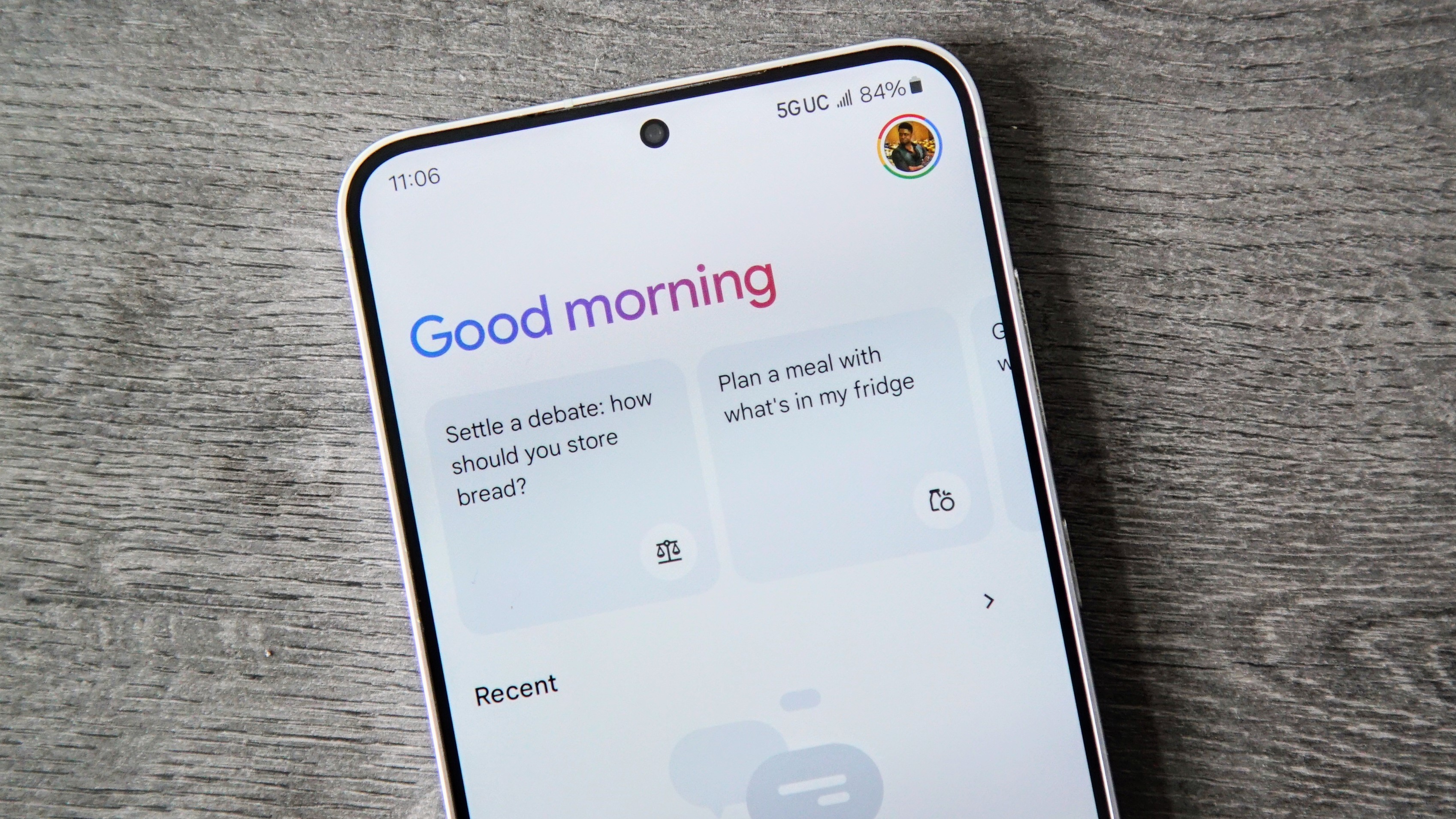
Gemini Go is a lighter version of Google’s AI assistant designed for entry-level Android phones. To run Gemini Go, a phone needs at least 2GB of RAM, which has been the minimum requirement for Android Go edition devices since Android 13. This means a large pool of phones already qualify to run Gemini Go. The AI assistant arrives inside the Google app, with no separate download, and can be launched by pressing and holding the Home button or the Power button on supported phones.
Gemini Go offers a conversational assistant that can handle natural questions instead of rigid phrases. This is a significant upgrade from Assistant Go, a basic command-follower that was previously available on budget devices. With Gemini Go, users can ask more complex questions, such as finding a restaurant open at a set time near a set place. They can also upload documents and photos to give the AI assistant more context for a chat.
The experience with Gemini Go is designed to be more conversational than Assistant Go. Users can ask the AI assistant to perform a range of tasks, including calling or texting a contact, setting an alarm, creating a calendar event, and checking the drive time to work. Additionally, users can ask Gemini Go to play music by mood or activity, such as quiet acoustic songs for a dinner.
Market Impact and Availability of Gemini Go in Kenya
Gemini Go’s rollout in Kenya marks a significant shift in the country’s affordable technology landscape. The lighter version of Google’s AI assistant is now available on entry-level Android phones, replacing Assistant Go. This change is particularly relevant in Kenya, where Android Go powers a substantial share of the cheapest phones on sale. Many first-time buyers rely on these devices as their primary computer, and Gemini Go offers a more conversational experience than its predecessor.
Android Go devices with at least 2GB of RAM qualify for Gemini Go, which is a relatively large pool of phones. This compatibility ensures that a wide range of users can access the more advanced AI assistant. Gemini Go arrives inside the Google app, eliminating the need for a separate download. Users can launch it by pressing and holding the Home button or the Power button on supported phones.
in Kenya is a crucial aspect of Google’s strategy to expand its presence in emerging markets. With its ability to handle natural questions and provide a more conversational experience, Gemini Go is poised to make a significant impact in Kenya’s tech landscape. The rollout of Gemini Go on Android Go devices will likely increase the adoption of Google’s AI assistant among first-time buyers and budget-conscious consumers.
Expert Analysis and Future Outlook for Gemini Go in Kenya
The introduction of Gemini Go in Kenya’s cheapest phones marks a significant shift in the country’s affordable technology landscape. By bringing a more conversational AI assistant to entry-level Android devices, Google is catering to the needs of first-time buyers who rely on these phones as their primary computer. This move is particularly relevant in Kenya, where a large share of the cheapest phones on sale run on Android Go, a slimmed-down version of Android designed for devices with limited memory and storage.
Conversational Assistant for the Masses
Gemini Go’s capabilities are a significant upgrade from its predecessor, Assistant Go. Users can now ask natural questions, set reminders, and even play music by mood or activity. This conversational interface is a game-changer for those who have previously been limited to rigid phrases. The ability to upload documents and photos to provide context for a chat also opens up new possibilities for users. As Google’s AI assistant becomes more conversational, it’s likely to change the way people interact with their phones in Kenya’s emerging markets.
Future Outlook and Opportunities
The rollout of Gemini Go in Kenya’s budget-friendly phones is a strategic move by Google to tap into the country’s growing demand for affordable technology. With a large pool of entry-level Android devices already qualifying for Gemini Go, Google is poised to capture a significant share of the market. As the AI assistant continues to evolve and improve, it’s likely to have a profound impact on the way people live, work, and communicate in Kenya. The future outlook for Gemini Go in Kenya is bright, with opportunities for growth and innovation in the affordable technology space.
Google’s Strategy and Motivations Behind Gemini Go Rollout
Google’s decision to roll out Gemini Go, a lighter version of its Gemini AI assistant, to Kenya’s cheapest phones marks a significant move in the company’s strategy to expand its reach in emerging markets. By targeting entry-level Android phones, Google aims to bring the benefits of AI-powered assistance to a broader audience, particularly in regions where access to affordable technology is limited. This move is part of Google’s broader effort to make its services more accessible and inclusive.
A Shift from Assistant Go to Gemini Go
Gemini Go is designed to work seamlessly on Android (Go edition) devices, which are optimized for phones with limited memory and storage. To qualify for Gemini Go, a phone needs at least 2GB of RAM, a requirement that has been in place since Android 13. This means that a significant pool of phones already meets the minimum specifications, making Gemini Go a viable option for many first-time buyers. By upgrading from Assistant Go to Gemini Go, users can expect a more conversational experience, enabling them to ask natural questions and receive more comprehensive answers.
Conclusion and Final Thoughts on Gemini Go in Kenya
The rollout of Gemini Go marks a significant milestone in the evolution of AI assistants for . This development brings a more conversational and capable assistant to the cheapest phones on sale, which are often the only computer for many first-time buyers. The fact that Gemini Go is now integrated into the Google app, accessible via the Home or Power button, makes it more convenient for users to interact with their AI assistant.
Enhanced Capabilities for a Better User Experience
Gemini Go’s capabilities are a significant improvement over its predecessor, Assistant Go. Users can now ask more natural questions, such as finding a restaurant open at a set time near a set place, or uploading documents and photos to give the assistant more context for a chat. The experience is designed to be more conversational, allowing users to interact with their AI assistant in a more intuitive way. This is particularly important in Kenya, where many users rely on their phones as their primary means of accessing information and services.
A Step Towards Closing the Digital Divide
The availability of Gemini Go on entry-level Android phones in Kenya is a step towards closing the digital divide in the country. By providing a more capable and conversational AI assistant to users who may not have had access to such features before, Google is helping to bridge the gap between those who have access to advanced technology and those who do not. This development has the potential to make a significant impact on the lives of many Kenyans, particularly in rural areas where access to technology is limited.