










Google is expanding its AI assistant capabilities to the most affordable Android phones in Kenya, a move that could significantly enhance the user experience for millions of budget-conscious consumers. The tech giant has started rolling out Gemini Go, a lighter version of its Gemini AI assistant, on entry-level Android phones in the country. This development marks a significant upgrade for Android Go devices, which have long been the go-to option for those seeking affordable smartphones. With Gemini Go, users can now enjoy a more intuitive and personalized experience, courtesy of Google’s advanced AI technology. The rollout, which began in early June 2026, is expected to bring a new level of sophistication to the Android ecosystem in Kenya, a country where affordable smartphones have become increasingly popular.
Google Unveils Gemini Go for Entry-Level Android Phones
Google has started rolling out Gemini Go, a lighter version of its Gemini AI assistant built for entry-level Android phones. This new assistant is designed to provide a more conversational experience for users of budget devices. To get Gemini Go, a phone needs at least 2GB of RAM, a requirement that has been in place for Android Go edition devices since Android 13.
| Aspect | Details |
|---|---|
| Event | Gemini Go rollout begins |
| Date | Early June 2026 |
| Location | Kenya |
| Key People/Organizations involved | |
| Status/Current Situation | Ongoing |
| Device Requirement | At least 2GB of RAM |
| Android Version | Android (Go edition) |
| Phone Brands | itel, Tecno, Infinix |
| Price Range | Under KES 13,000 |
Gemini Go arrives inside the Google app on supported devices, with no separate download required. Users can launch it by pressing and holding the Home button or the Power button on supported phones. This matters more in markets like Kenya, where a large share of the cheapest phones on sale run on Android Go. For many first-time buyers, these budget devices are their only computer, and Gemini Go gives them a conversational assistant that can handle natural questions instead of rigid phrases.
Gemini Go can perform a range of tasks, including calling or texting a contact, setting an alarm, creating a calendar event, and checking the drive time to work. Users can also ask layered questions, such as finding a restaurant open at a set time near a set place, and upload documents and photos to give the assistant more context for a chat. Additionally, Gemini Go can play music by mood or activity, like quiet acoustic songs for a dinner.
Rollout Details and Availability in Kenya

Google has started rolling out Gemini Go, a lighter version of its Gemini AI assistant, in Kenya. The rollout began in early June 2026, marking a significant upgrade for entry-level Android phones in the country. Gemini Go replaces Assistant Go, the stripped-down helper that has shipped on budget devices for years. This development is crucial for Kenya’s Android phone market, where a large share of the cheapest phones on sale run on Android (Go edition), a slimmed-down version of Android designed for phones with limited memory and storage.
To get Gemini Go, a phone needs at least 2GB of RAM, a minimum requirement that has been in place for Go edition devices since Android 13. This means that a large pool of phones already qualifies for the upgrade. Gemini Go arrives inside the Google app, with no separate download, and can be launched by pressing and holding the Home button or the Power button on supported phones. This matters more in Kenya than in most markets, where Android Go powers a big share of the cheapest phones on sale, often the only computer for many first-time buyers.
The rollout of Gemini Go is expected to bring a more conversational AI assistant to these users, who were previously stuck with Assistant Go, a basic command-follower. Gemini Go can handle natural questions instead of rigid phrases, making it a significant upgrade for users in Kenya. Google lists a familiar set of tasks that Gemini Go can perform, including calling or texting a contact, setting an alarm, creating a calendar event, and checking the drive time to work.
Benefits and Features of Gemini Go
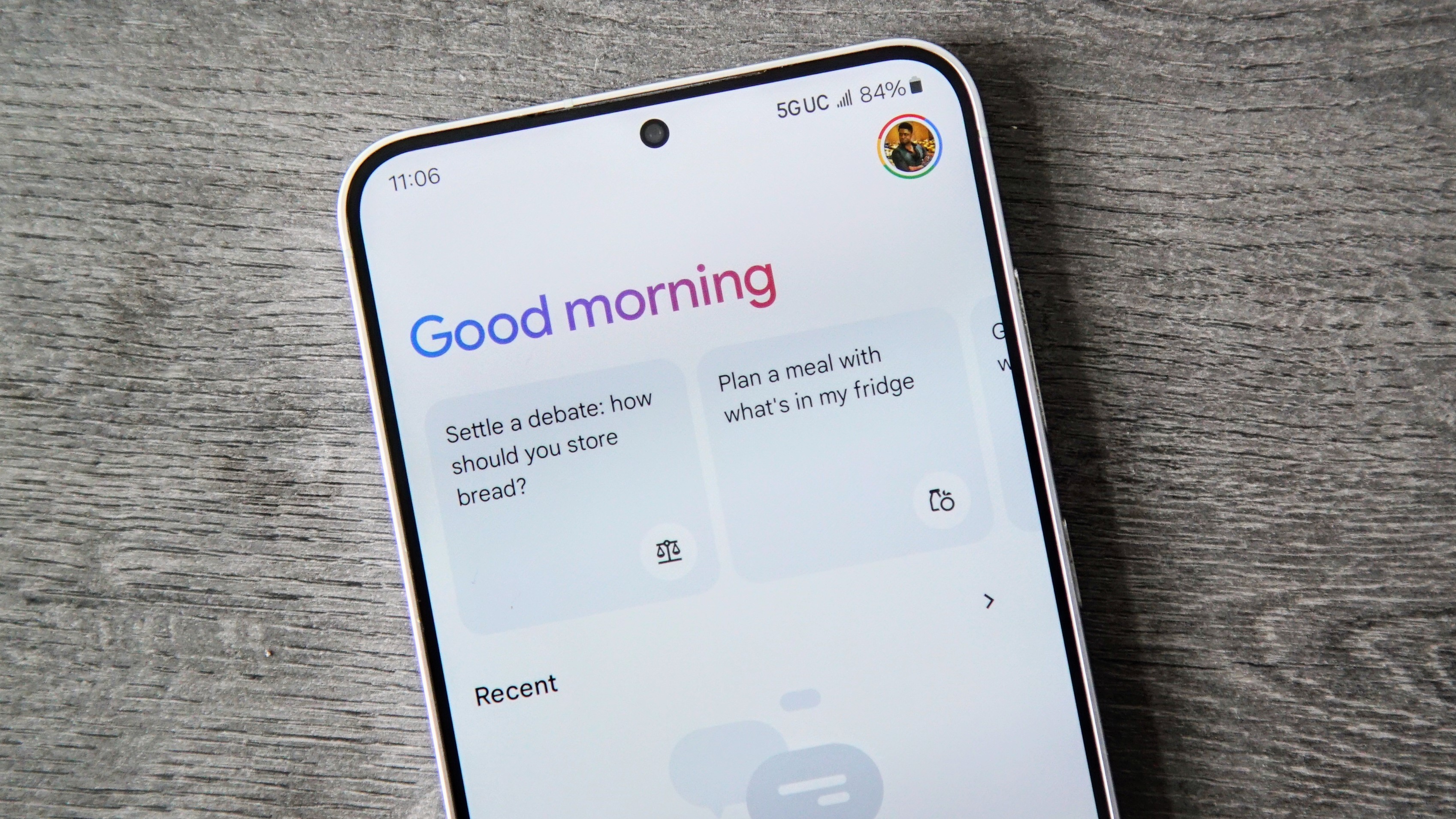
Google’s new AI assistant, Gemini Go, is set to revolutionize the way users interact with their entry-level Android phones in Kenya. This lighter version of Gemini is specifically designed for devices with limited memory and storage, making it a game-changer for the country’s cheapest phones. To qualify for Gemini Go, a phone needs at least 2GB of RAM, a minimum requirement that has been in place since Android 13.
Gemini Go is integrated into the Google app, eliminating the need for a separate download. Users can launch it by pressing and holding the Home button or the Power button on supported phones. This conversational assistant is a significant upgrade from Assistant Go, which was a basic command-follower. Gemini Go can handle natural questions and provide more context-driven answers. Users can ask it to perform various tasks, such as calling or texting a contact, setting an alarm, or creating a calendar event.
Gemini Go also offers more advanced features, including the ability to check drive times, find restaurants open at specific times near a specific location, and even play music by mood or activity. Users can also upload documents and photos to give the assistant more context for a chat. With Gemini Go, users can enjoy a more conversational experience on their entry-level Android phones, making it a significant upgrade for first-time buyers and those who rely on their phones as their primary computer.
Impact on Kenya’s Android Phone Market
The introduction of Gemini Go, a lighter version of Google’s AI assistant, is set to have a significant impact on Kenya’s Android phone market. This is particularly relevant for first-time buyers who often rely on entry-level devices as their primary means of accessing the internet. Android Go, the slimmed-down version of Android, powers a substantial share of the cheapest phones available in Kenya, with prices starting from under KES 13,000.
For many users, this means a more conversational AI assistant experience. Gemini Go replaces Assistant Go, a basic command-follower, and allows users to ask natural questions instead of rigid phrases. This upgrade is significant, as it brings a more intuitive and user-friendly experience to a large pool of devices. The rollout of Gemini Go is expected to benefit users who rely on their phones for everyday tasks, such as calling, texting, setting alarms, and creating calendar events.
The capabilities of Gemini Go are extensive, with users able to ask it to play music by mood or activity, check drive times, and even upload documents and photos to give it more context for a chat. This level of functionality is expected to have a positive impact on the Android phone market in Kenya, particularly for users who are new to smartphones. With Gemini Go, users can expect a more seamless and intuitive experience, making it easier to navigate and utilize their devices.
User Reaction and Adoption Rates
has sparked excitement among users in Kenya, who are now able to access a more conversational AI assistant on their entry-level Android phones. This lighter version of Google’s Gemini AI assistant is designed to work seamlessly on devices with limited memory and storage, making it a game-changer for first-time buyers who often rely on these phones as their primary computer. Gemini Go is now available on a large pool of phones that run on Android (Go edition), which powers a significant share of the cheapest phones on sale in Kenya.
For many users, the introduction of Gemini Go marks a significant improvement over the previous Assistant Go, which was limited to basic command-following capabilities. With Gemini Go, users can now ask natural questions and receive more detailed responses. The AI assistant can handle tasks such as calling or texting contacts, setting alarms, creating calendar events, and even checking drive times to work. Additionally, users can upload documents and photos to provide context for their conversations, making the experience more intuitive and user-friendly.
Future Developments and Plans
Google’s long-term plan for Gemini Go involves expanding its capabilities to cater to the diverse needs of Android users in Kenya. As the AI assistant continues to learn and adapt, users can expect a more conversational experience with natural language processing. This means that users can ask more complex questions and receive more detailed answers, making the assistant more useful for everyday tasks.
In the future, Google may consider integrating Gemini Go with other Google services, such as Google Maps or Google Photos, to provide a more seamless experience for users. This could enable users to access information and perform tasks more efficiently, using a single interface. For example, users could ask Gemini Go to show them the location of a nearby restaurant, and then use Google Maps to navigate to that location.
As Gemini Go becomes more widespread, users can expect to see more features and capabilities added to the assistant. Google may also consider integrating Gemini Go with other AI-powered services, such as Google’s machine learning platform, to provide more advanced features and functionality. This could enable users to perform complex tasks, such as data analysis or image recognition, using a conversational interface.