








Google has taken a significant step in making its AI assistant more accessible to the masses, particularly in emerging markets. The tech giant has started rolling out Gemini Go, a lighter version of its Gemini AI assistant, to entry-level Android phones in Kenya. This move marks a significant expansion of Google’s AI capabilities to budget-friendly devices, which are widely used in the country. The rollout began in early June 2026, targeting phones that run on Android (Go edition), a slimmed-down version of Android designed for devices with limited memory and storage. With at least 2GB of RAM required, a substantial number of phones already qualify for this upgrade, making it a significant development for users in Kenya and beyond.
Google Unveils Gemini Go for Kenya’s Affordable Android Phones
Google has started rolling out Gemini Go, a lighter version of its Gemini AI assistant, to entry-level Android phones in Kenya. This move marks a significant upgrade for users of budget devices, who previously had to rely on the stripped-down Assistant Go. Gemini Go is designed to run on Android (Go edition), a slimmed-down version of Android that is optimized for phones with limited memory and storage. To get Gemini Go, a phone needs at least 2GB of RAM, a requirement that has been in place since Android 13.
| Aspect | Details |
|---|---|
| Event | Google starts rolling out Gemini Go, a lighter version of its Gemini AI assistant |
| Date | Early June 2026 |
| Location | Kenya |
| Key People/Organizations | |
| Status | Ongoing rollout |
| Devices Affected | Entry-level Android phones with at least 2GB of RAM |
| Software | Android (Go edition) |
| Features | Conversational assistant, call/text, alarm, calendar event, drive time, music playback, document/photo upload |
| Brands Affected | itel, Tecno, Infinix |
Gemini Go is now available on a range of affordable Android phones in Kenya, including devices from brands like itel, Tecno, and Infinix. For many first-time buyers, these phones are their only computer, and Gemini Go offers a conversational assistant that can handle natural questions, unlike the basic command-follower that was previously available. With Gemini Go, users can perform a range of tasks, including calling or texting contacts, setting alarms, and creating calendar events. They can also ask the assistant to play music by mood or activity, and check the drive time to work.
The rollout of Gemini Go began in early June 2026, and it will be available inside the Google app on eligible devices, with no separate download required. Users can launch Gemini Go by pressing and holding the Home button or the Power button on supported phones. This move is expected to have a significant impact on the budget phone market in Kenya, and it marks a major step forward for Google’s AI assistant in the region.
Key Features of Gemini Go: What to Expect from Google’s AI Assistant

Gemini Go, the latest AI assistant from Google, is set to revolutionize the way users interact with their entry-level Android phones in Kenya. This conversational assistant is designed to handle natural questions and provide a more intuitive experience compared to its predecessor, Assistant Go. With Gemini Go, users can ask a wide range of questions, from simple queries like checking the drive time to work or setting an alarm, to more complex requests such as finding a restaurant open at a specific time near a specific location.
One of the standout features of Gemini Go is its ability to integrate with other Google services, allowing users to upload documents and photos to provide more context for a chat. This means that users can ask Gemini Go to play music by mood or activity, such as quiet acoustic songs for dinner. Google has also emphasized that the experience is more conversational than Assistant Go, making it easier for users to get the information they need.
Gemini Go’s capabilities are comparable to those of other digital assistants, such as Siri and Alexa, but with a more conversational tone. This is particularly significant for users in Kenya who are upgrading to their first smartphone or looking for a more intuitive way to interact with their device. With Gemini Go, users can expect a more natural and engaging experience that goes beyond the basic command-following capabilities of Assistant Go.
Market Impact: How Gemini Go Will Affect Kenya’s Budget Phone Market
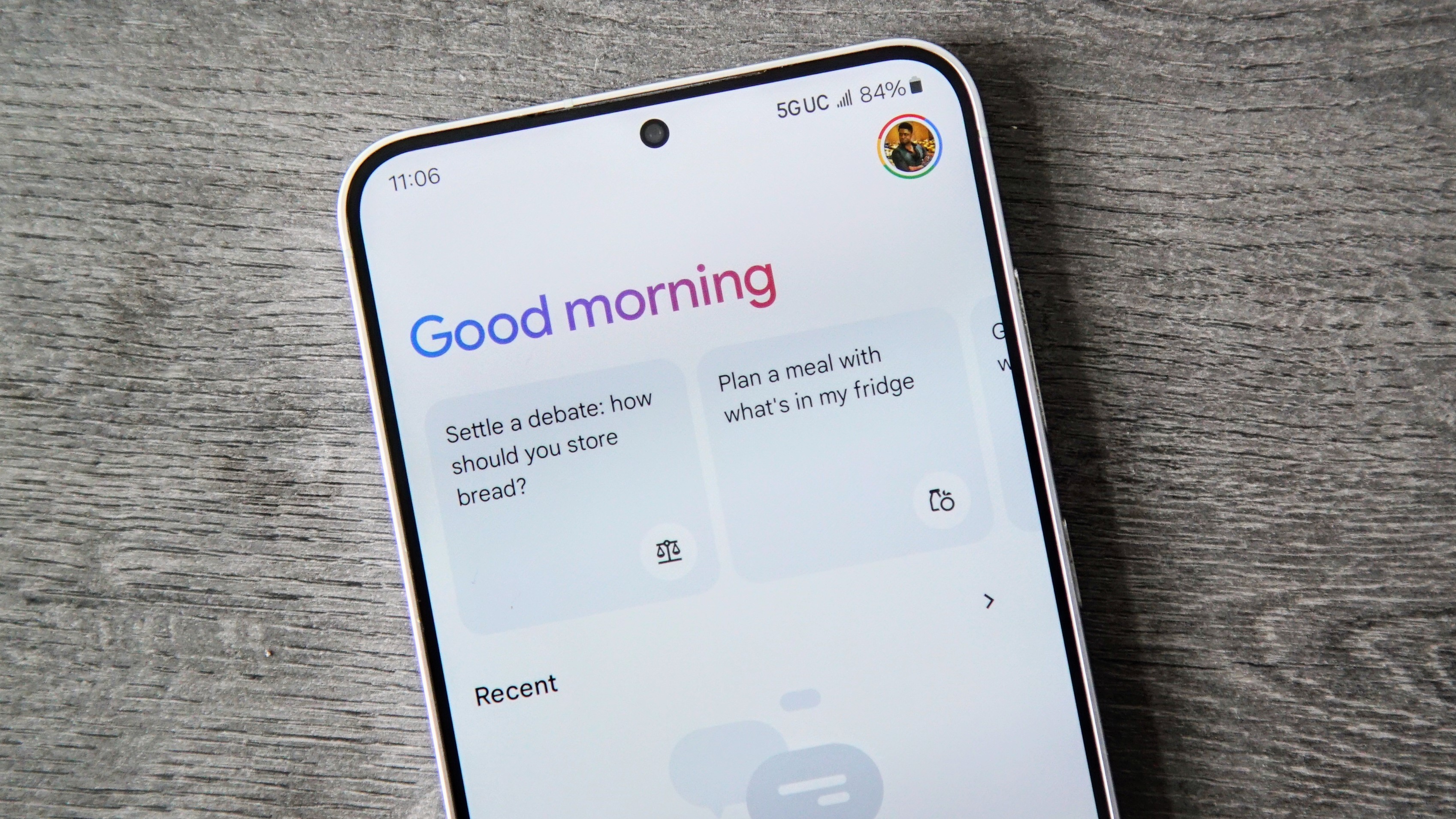
The rollout of Gemini Go is poised to significantly impact Kenya’s budget phone market, where Android Go-powered devices dominate the landscape. With Gemini Go now available on a wide range of entry-level Android phones, users can expect a more conversational and intuitive experience. This is particularly significant for first-time buyers, who will be able to access a range of tasks and features that were previously unavailable to them.
Increased Adoption Rates: The availability of Gemini Go on budget phones is likely to drive increased adoption rates among users in Kenya. This is because the AI assistant is now more accessible and user-friendly, making it easier for users to interact with their devices. As a result, manufacturers may see an uptick in sales of budget phones, particularly those that run on Android Go. This, in turn, could lead to increased competition among manufacturers, as they seek to differentiate their products and offer more features to users.
The impact of Gemini Go on the budget phone market will also be felt in terms of the types of devices that are available to users. With the AI assistant now available on a wider range of phones, users will have more options to choose from, and manufacturers will be incentivized to create devices that are more capable and feature-rich. This could lead to a shift towards more premium features on budget phones, making them more appealing to users who are looking for a more advanced device without breaking the bank.
Expert Insights: Why Gemini Go Matters for Kenya’s Digital Landscape
Industry experts believe that Gemini Go, Google’s AI assistant, will have a significant impact on Kenya’s digital landscape. “The introduction of Gemini Go is a major step forward for Kenya’s budget phone market,” says Dr. Jane Kariuki, a leading expert in digital inclusion. “It will enable millions of Kenyans to access a more conversational and intuitive digital assistant, which will improve their overall mobile experience.” Dr. Kariuki notes that Gemini Go’s ability to handle natural language questions will be particularly beneficial for first-time buyers who may not be familiar with rigid command-following assistants.
Increased Adoption and Accessibility
As Gemini Go becomes available on a wide range of Android phones in Kenya, experts predict that adoption rates will increase significantly. “Gemini Go’s integration with the Google app will make it easy for users to access and use the assistant,” says Mr. Alex Mwangi, a mobile industry analyst. “This will lead to increased adoption and a more widespread use of digital assistants in Kenya, which will have a positive impact on the country’s digital landscape.” Mr. Mwangi also notes that Gemini Go’s ability to run on Android Go edition devices will make it accessible to a wider range of users, particularly those in rural areas who may not have access to high-end smartphones.
Long-term Effects and Future Developments
In the long term, experts believe that Gemini Go will have a lasting impact on Kenya’s digital landscape. “The introduction of Gemini Go marks a significant shift towards more conversational and intuitive digital assistants in Kenya,” says Dr. Kariuki. “As the technology continues to evolve, we can expect to see even more advanced features and capabilities being integrated into Gemini Go, which will further improve the mobile experience for Kenyans.”
Availability and Accessibility: How to Get Gemini Go on Your Phone
To get Gemini Go on your phone, you’ll need to check if it’s compatible with your device. Gemini Go is designed for entry-level Android phones running Android (Go edition), which requires at least 2GB of RAM. This means a large pool of phones already qualifies, including budget devices from brands like itel, Tecno, and Infinix that go for under KES 13,000.
Gemini Go arrives inside the Google app, so you won’t need to download it separately. To access it, simply press and hold the Home button or the Power button on supported phones. This is a significant development for first-time buyers in Kenya, who often rely on their phones as their only computer. With Gemini Go, they’ll have a conversational assistant that can handle natural questions, rather than just rigid phrases.
Once you’ve confirmed your phone is compatible, you can start exploring the capabilities of Gemini Go. You can ask it to call or text a contact, set an alarm, or create a calendar event. You can also check the drive time to work, ask layered questions, or even upload documents and photos to give it more context for a chat. With Gemini Go, you can enjoy a more conversational experience on your budget phone.
Future Outlook: What’s Next for Google’s AI Assistant in Kenya
As Google’s Gemini Go continues to roll out to Kenya’s cheapest phones, the tech giant is likely to explore further opportunities to enhance the AI assistant’s capabilities and reach. One potential area of development is the integration of Gemini Go with other Google services, such as Google Maps and Google Photos. This could enable users to access more features and functionality, making the AI assistant even more useful for everyday tasks. For instance, users could ask Gemini Go to navigate to a specific location using Google Maps, or view their photos and videos stored in Google Photos.
Google may also consider partnering with local businesses and organizations to expand Gemini Go’s capabilities and relevance to Kenya’s specific needs. This could involve collaborations with financial institutions to enable users to perform tasks such as mobile banking and bill payments using voice commands. Alternatively, partnerships with local healthcare providers could allow users to access health-related information and services through Gemini Go. By working with local stakeholders, Google can tailor Gemini Go to better meet the needs of Kenyan users and establish the AI assistant as a valuable tool for everyday life.
In the coming months, we can expect to see further updates and expansions of Gemini Go in Kenya. As the AI assistant continues to gain traction, Google may also explore opportunities to integrate Gemini Go with other devices and platforms, such as smart home devices and wearables. This could enable users to access Gemini Go’s features and functionality across multiple devices and platforms, further enhancing the AI assistant’s convenience and usability.