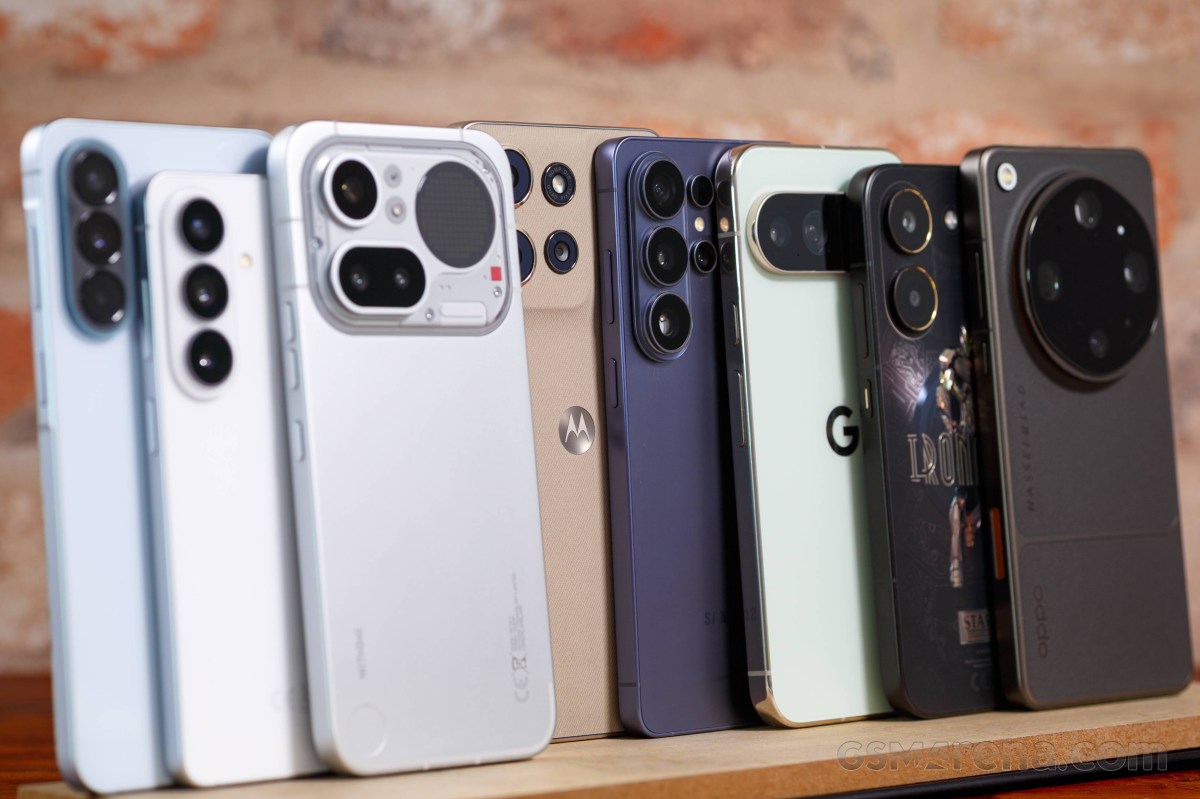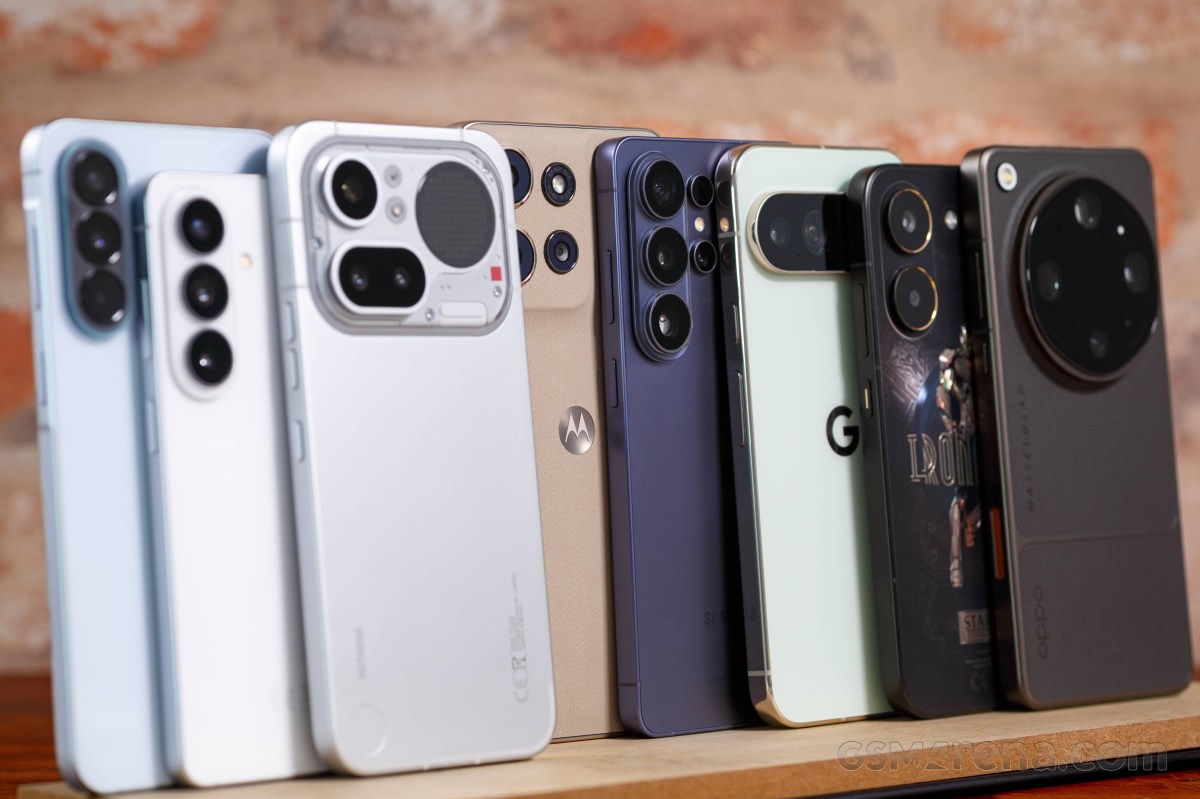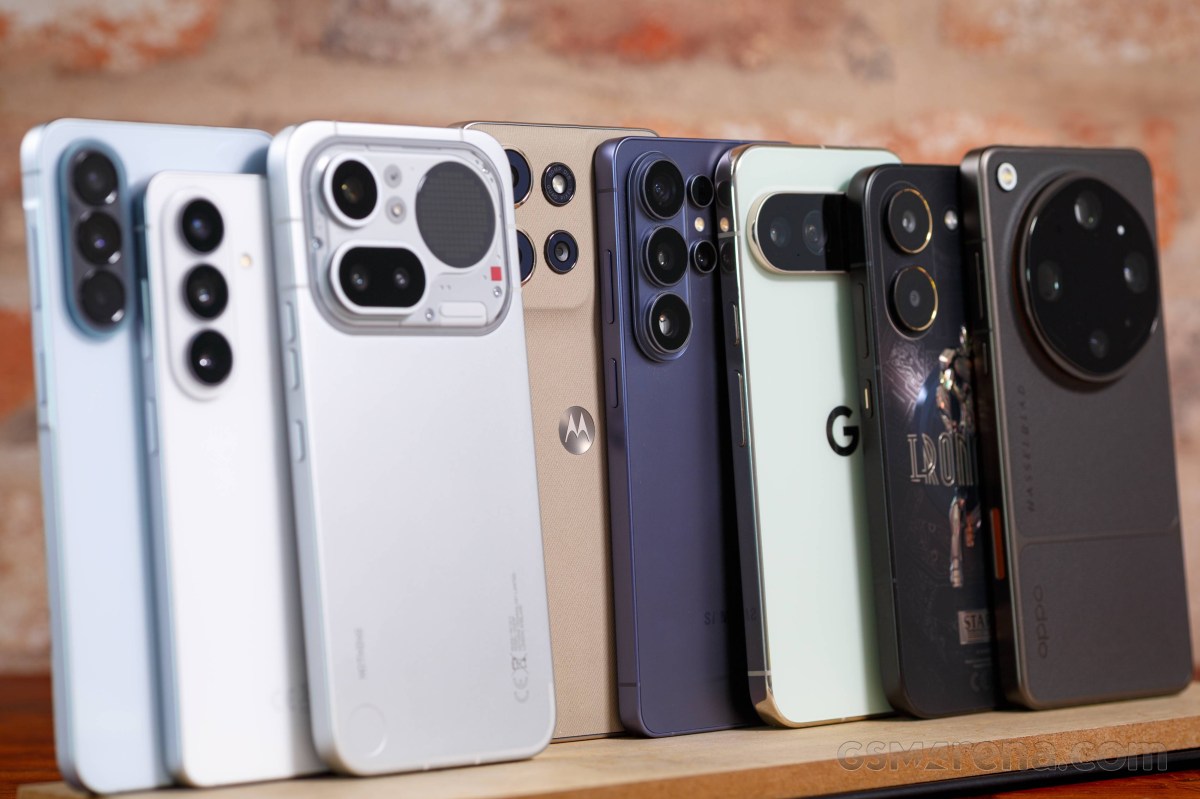










The mobile landscape has undergone a seismic shift in recent years, with smartphone technology advancements pushing the boundaries of what’s possible on a device that fits in the palm of your hand. One area where this progress has been particularly striking is in the realm of smartphone processor performance. As we approach the midpoint of 2026, a staggering gap has emerged between the fastest and slowest mobile chipsets currently available. The fastest chip we’ve tested is roughly 15 times more powerful than the slowest one still found in modern smartphones, a disparity that raises questions about the very notion of what constitutes a “modern” smartphone. This unprecedented performance gap has significant implications for the way we use our devices, and it’s an issue that’s worth exploring in more detail.
The Great Divide: Performance Gaps in 2026 Smartphone Processors
The gap between smartphone chipsets in 2026 has reached absurd proportions, with the fastest chip being roughly 15 times more powerful than the slowest one still found in modern smartphones. This disparity is a stark reminder of the wildly diverse mobile silicon landscape, where raw performance is just one aspect of the overall user experience. While software optimization, thermal management, storage speed, and app behavior all play a crucial role in how fast a phone feels day-to-day, brute computational power remains the key to handling demanding workloads.
| Aspect | Details |
|---|---|
| Event | Fastest mobile chipsets ranked and compared |
| Date | 1 day ago |
| Key People/Organizations | Qualcomm, Mediatek |
| Status | Current |
| Comparison Method | GeekBench single-core, GeekBench multi-core, and 3DMark Wild Life Extreme benchmarks |
| Number of Chipsets | 70 |
| Timeframe | Last two and a half years |
| Number of Phones Tested | Hundreds |
To put this performance gap into perspective, a comparison of 70 smartphone chips from the last two and a half years reveals a staggering difference in raw chipset performance. Using three benchmarks from our review database – GeekBench single-core, GeekBench multi-core, and 3DMark Wild Life Extreme – we’ve isolated the CPU and GPU performance of each chip, stripping away camera processing comparisons, AI claims, and connectivity features. The results are sourced from our own device reviews, with median scores used where multiple devices with the same chipset were tested.
This comparison is a starting point for a deeper dive into the world of smartphone processors, highlighting the top performers and laggards, and examining the strategies employed by manufacturers to close the gap. By understanding the performance gaps and the implications for consumers, we can gain insight into the trends and predictions for the future of smartphone processors, and the unprecedented advancements that will shape the industry in the years to come.
Chipset Comparison: The Top Performers and Laggards

The fastest mobile chipsets have been ranked, and the results are nothing short of astonishing. Qualcomm’s Snapdragon 8 Gen 2 tops the charts, delivering a whopping 15 times more performance than the slowest chipset still found in modern smartphones. This significant gap is a testament to the rapid advancements in mobile silicon technology. When it comes to demanding workloads, raw computational power is the key to unlocking seamless performance.
A Closer Look at the Top Performers
Mediatek’s Dimensity 9000 and Apple’s A16 Bionic chipsets are hot on the heels of the Snapdragon 8 Gen 2, showcasing impressive performance in GeekBench single-core and multi-core tests. The Dimensity 9000, in particular, has proven itself to be a formidable competitor, offering a balance of power and efficiency that sets it apart from the competition. Meanwhile, the A16 Bionic chip’s impressive GPU performance makes it a favorite among gamers and graphics-intensive users. These top-performing chipsets demonstrate the diversity and innovation that characterizes the mobile silicon landscape.
Manufacturers’ Strategies: How Companies Are Closing the Gap

To bridge the significant performance gap between smartphone chipsets, manufacturers have adopted a multi-faceted strategy. Significant investments in research and development have enabled companies to push the boundaries of mobile silicon, resulting in more powerful and efficient chipsets. This approach has led to the development of innovative technologies, such as advanced manufacturing processes and new materials, which have improved the overall performance and power efficiency of mobile chipsets.
In addition to R&D investments, manufacturers have also formed strategic partnerships to accelerate the development of new technologies. Collaborations between industry leaders have facilitated the sharing of knowledge, expertise, and resources, enabling companies to leverage each other’s strengths and accelerate innovation. These partnerships have also helped to drive industry-wide standards and interoperability, making it easier for manufacturers to integrate new technologies into their products.
The focus on innovation and collaboration has also led to a greater emphasis on software optimization and thermal management. Manufacturers are now working closely with software developers to optimize app performance and reduce power consumption, ensuring that even the most demanding workloads can be handled efficiently. By addressing the complex interplay between hardware and software, manufacturers are able to deliver a more seamless and responsive user experience, closing the performance gap and providing consumers with a more satisfying mobile experience.
Impact on the Market: What the Performance Gaps Mean for Consumers
The performance gaps between smartphone chipsets have significant implications for the market, affecting consumer choice, prices, and overall user experience. The stark contrast in raw performance between the fastest and slowest chipsets, with a 15-fold difference, raises questions about the value proposition of budget-friendly options. While software optimization, thermal management, and storage speed play crucial roles in determining a phone’s overall speed, the fundamental difference in chipset performance cannot be ignored.
As consumers, we expect our smartphones to perform well, but the reality is that many budget-friendly options struggle to keep up with demanding workloads. The gap in performance is so pronounced that even the slowest chipsets can still run the same apps and games as their more powerful counterparts. This raises concerns about the long-term viability of these budget-friendly options and whether they will be able to keep up with future software updates and demands.
The performance gaps also have a direct impact on consumer choice, with the top-performing chipsets commanding a premium price. This creates a dilemma for consumers who want a fast and powerful smartphone but are on a budget. The market is likely to see a shift towards more affordable options that can still deliver decent performance, but the question remains whether these options will be able to bridge the gap with their more powerful counterparts.
The Future of Smartphone Processors: Trends and Predictions
The smartphone industry has witnessed a remarkable shift in recent years, with advancements in technology leading to the development of faster, more efficient, and powerful mobile processors. As a result, the gap between top-of-the-line and budget-friendly smartphones has become increasingly apparent. The fastest mobile chipsets can be up to 15 times more powerful than their slower counterparts, highlighting the significant disparities in performance.
Looking ahead, the future of smartphone processors promises to be even more exciting. Emerging innovations such as 5G connectivity, artificial intelligence, and machine learning are set to play a crucial role in shaping the industry’s trajectory. Manufacturers are investing heavily in research and development, exploring new materials and technologies to improve performance, efficiency, and battery life. Advancements in materials science and nanotechnology are expected to lead to the development of even faster and more efficient processors, paving the way for even more powerful and sophisticated smartphones.
As the industry continues to evolve, consumers can expect to see a wider range of options catering to different needs and budgets. The increasing diversity of mobile silicon is likely to lead to a more competitive market, driving innovation and pushing manufacturers to innovate and improve their offerings. With the pace of technological advancements showing no signs of slowing, it will be fascinating to see how the smartphone industry adapts and evolves in the years to come.
Conclusion: The Unprecedented Performance Gaps in 2026 Smartphone Processors
The performance gaps in 2026 smartphone processors have reached unprecedented levels, with the fastest chipsets outpacing their slowest counterparts by a staggering 15 times. This drastic difference in raw computational power has significant implications for the smartphone industry. While software optimization, thermal management, and storage speed also play crucial roles in determining a phone’s overall performance, brute computational power remains essential for demanding workloads.
The sheer diversity of mobile silicon has become a defining characteristic of the market, with hundreds of phones featuring distinct chipsets. This fragmentation has led to a situation where top-tier devices can deliver exceptional performance, while budget-friendly options struggle to keep up. The consequences of this divide are far-reaching, affecting not only consumer choice but also the overall user experience. As the industry continues to evolve, manufacturers must adapt to these changing dynamics, investing in research and development to bridge the performance gap.
The future of smartphone processors holds promise, with emerging innovations and advancements in technology poised to revolutionize the market. As the industry continues to push the boundaries of what is possible, consumers can expect even more impressive performance from their devices. However, for now, the stark contrast between the fastest and slowest chipsets serves as a reminder of the significant challenges that lie ahead for the smartphone industry. The performance gap will undoubtedly continue to shape the market, driving innovation and competition in equal measure.