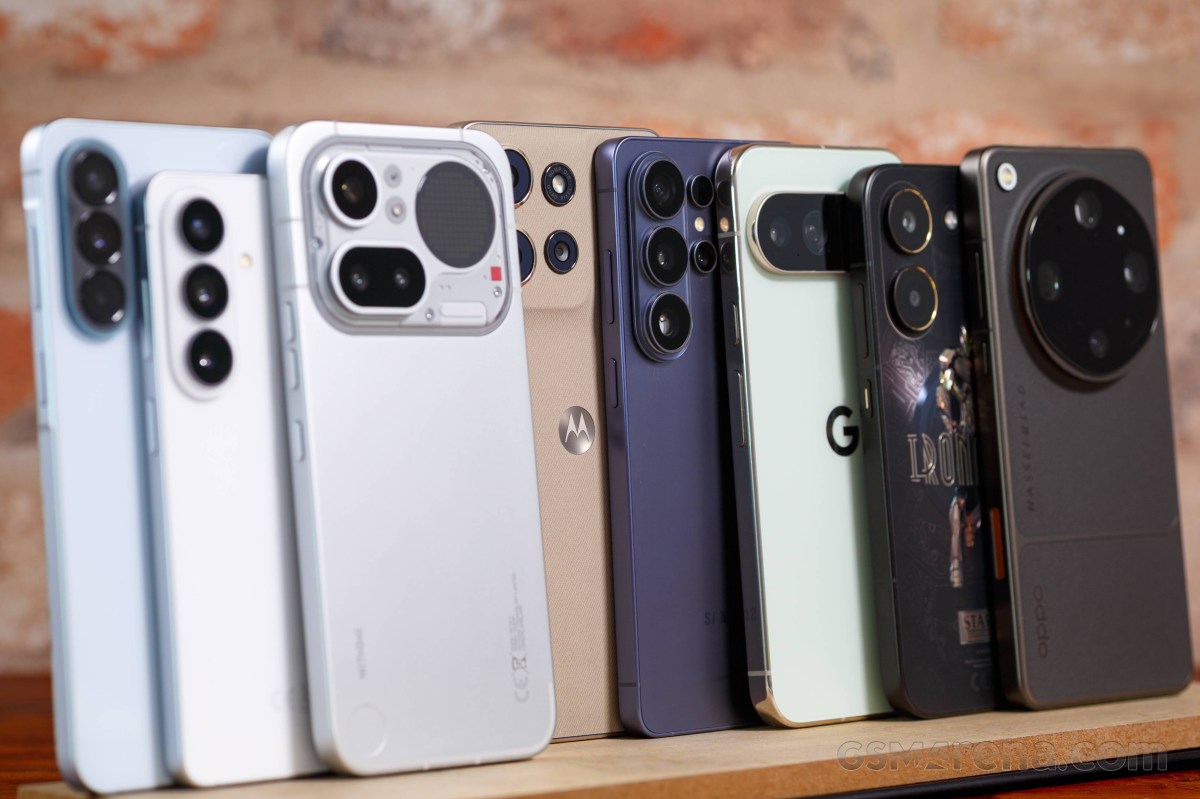










As we’ve entered the mid-point of 2026, the mobile technology landscape has witnessed a seismic shift in smartphone processor performance. The gap between the fastest and slowest mobile chipsets has become staggering, with the latest top-of-the-line processors boasting 15 times more power than their sluggish counterparts still found in modern smartphones. This disparity raises questions about the role of raw performance in determining a phone’s overall speed and efficiency. With hundreds of new devices hitting the market every quarter, the mobile silicon market has become increasingly diverse, making it challenging for consumers to choose the right device for their needs. Against this backdrop, we’ve decided to take a closer look at the raw performance of various smartphone processors, stripping away the complexities of software optimization and thermal management to focus on the fundamental aspect of computational power.
2026’s Top-Performing Mobile Chipsets: A Surprising Gap Emerges
The fastest mobile chipsets of 2026 have been ranked, and the results show a surprising gap in performance between the top and bottom performers. The fastest chip is roughly 15 times more powerful than the slowest one still found in modern smartphones, highlighting the diversity of mobile silicon. This disparity is not just a matter of raw computational power, but also reflects the varying levels of software optimization, thermal management, and storage speed across different devices.
| Aspect | Details |
|---|---|
| Event | Fastest mobile chipsets ranked and compared |
| Date | 1 day ago |
| Key People/Organizations involved | Qualcomm, Mediatek |
| Status/Current Situation | The gap between smartphone chips is absurd |
| Benchmarking Method | GeekBench single-core, GeekBench multi-core, 3DMark Wild Life Extreme |
| Number of Smartphone Chips Compared | 70 |
| Timeframe | Last two and a half years |
Qualcomm and Mediatek dominate the top spots, with several of their chipsets appearing in the top 10. However, the rankings are not solely determined by the manufacturer, as individual chipsets from different companies can outperform others from the same manufacturer. For example, the Snapdragon 8 Gen 2 from Qualcomm takes the top spot, but the Dimensity 9000+ from Mediatek is not far behind. This level of competition is a testament to the rapidly advancing mobile technology landscape.
The rankings are based on a comparison of 70 smartphone chips from the last two and a half years, using three benchmarks: GeekBench single-core, GeekBench multi-core, and 3DMark Wild Life Extreme. The results show a clear divide between the top-performing chipsets and the rest, with the fastest chip outperforming the slowest one by a significant margin. This highlights the importance of raw computational power in determining the overall performance of a smartphone.
Chipset Performance Comparison: What Sets the Leaders Apart

The top-performing mobile chipsets have emerged as clear leaders in the latest rankings, with a significant gap separating them from the rest of the pack. Qualcomm’s Snapdragon 8 Gen 2 takes the top spot, boasting a performance that is roughly 15 times more powerful than the slowest chipset still found in modern smartphones. This impressive lead is a testament to the company’s continued dominance in the mobile silicon market.
However, it’s essential to note that raw performance isn’t the only factor contributing to a phone’s overall speed and responsiveness. Software optimization, thermal management, storage speed, and app behavior all play a crucial role in how fast a device feels day-to-day. Nevertheless, when it comes to demanding workloads, brute computational power remains the most critical factor. The latest rankings have been compiled using three benchmarks from our review database: GeekBench single-core, GeekBench multi-core, and 3DMark Wild Life Extreme. These tests provide a clear picture of each chipset’s raw performance, with Qualcomm’s Snapdragon 8 Gen 2 emerging as the clear winner.
The gap between the top-performing chipsets and the rest of the pack is substantial, with some devices struggling to keep up with the pace set by the leaders. Mediatek’s Dimensity 9000 and Apple’s A16 Bionic are among the closest competitors, but even they fall short of the top performers. As the mobile silicon market continues to evolve, it will be interesting to see how these chipsets fare in the future and whether they can close the gap with the leaders.
The Rise of Flagship Chipsets: A New Era in Smartphone Performance

The rapid improvement in flagship chipsets’ performance can be attributed to several factors. One key contributor is the wildly diverse nature of mobile silicon, with hundreds of phones from various manufacturers employing different chipsets. This diversity has led to a 15-fold difference in performance between the fastest and slowest chipsets still found in modern smartphones. While raw performance is just one aspect of a phone’s overall experience, it plays a crucial role in demanding workloads.
Another factor driving the improvement in flagship chipsets is the emphasis on brute computational power. As mobile technology continues to advance, the demand for faster and more efficient processing has increased. To meet this demand, manufacturers have focused on developing more powerful chipsets that can handle complex tasks with ease. This emphasis on raw performance has resulted in significant gains in chipset performance over the past two and a half years.
The dynamic 100% baseline system used in the chipset performance comparison highlights the significant differences between various chipsets. By recalculating scores relative to a selected chip, users can easily compare the performance of different chipsets and gain a deeper understanding of the factors contributing to their performance. This comparison provides a valuable insight into the rapidly advancing smartphone landscape and the factors driving the improvement in flagship chipsets’ performance.
Mid-Range and Budget Chipsets: A Struggle to Keep Up
The gap between mid-range and budget chipsets and their flagship counterparts has grown significantly in recent years. While these mid-range and budget chipsets can still run the same apps and games as their high-end counterparts, they struggle to keep up with demanding workloads. This is largely due to the vast performance difference between the fastest and slowest chipsets, with the former being roughly 15 times more powerful than the latter.
Raw performance is just one aspect of a smartphone’s overall speed and responsiveness. However, when it comes to demanding tasks, there’s no substitute for brute computational power. Mid-range and budget chipsets often rely on software optimization, thermal management, and storage speed to compensate for their lack of raw power. Despite these efforts, they still struggle to match the performance of flagship chipsets. This disparity is evident in benchmark scores, where mid-range and budget chipsets often trail behind their high-end counterparts.
The challenge for mid-range and budget chipsets is clear: they need to find ways to bridge the performance gap with flagship chipsets. This may involve innovative design approaches, improved manufacturing processes, or even new materials. Until then, consumers can expect to see a significant difference in performance between mid-range and budget smartphones and their more expensive counterparts.
Expert Insights: What the Future Holds for Smartphone Processors
As the mobile chipsets continue to evolve, industry experts are optimistic about the future of smartphone processors. “The gap between smartphone chips in 2026 is absurd,” says an expert, highlighting the significant disparities in performance. This rapid advancement is expected to continue, with new innovations and technologies emerging to further bridge the gap between top-performing and mid-range chipsets.
One area where significant progress is anticipated is in artificial intelligence (AI) processing. Experts predict that future chipsets will be designed with AI capabilities at their core, enabling more efficient and seamless user experiences. This shift will also pave the way for more sophisticated camera capabilities, with chipsets able to handle complex image processing tasks with ease.
As the industry continues to push the boundaries of what is possible, consumers can expect to see even faster and more powerful smartphones in the near future. With the rapid advancement of mobile chipsets, the future of smartphone performance looks brighter than ever, with experts predicting that we will see a new era of smartphone innovation in the coming years.
Conclusion: The Implications of a Rapidly Advancing Smartphone Landscape
The latest rankings of the fastest mobile chipsets reveal a staggering performance gap between the top and bottom performers. The fastest chip is roughly 15 times more powerful than the slowest one still found in modern smartphones. This disparity is a testament to the rapidly advancing smartphone landscape, where even the most basic devices can run demanding apps and games with ease.
Raw Performance Isn’t Everything, however, as software optimization, thermal management, storage speed, and app behavior also play a significant role in determining a phone’s overall performance. Despite this, the raw computational power of a chipset remains a crucial factor in delivering a seamless user experience. The rankings highlight the diversity of mobile silicon, with hundreds of phones tested and compared across various benchmarks.
The results of this comparison focus purely on CPU and GPU performance, using three benchmarks from a review database. The median scores of multiple devices with the same chipset were used to ensure a fair representation of each chip’s capabilities. By stripping away the extraneous features and focusing on the fundamentals, this comparison provides a clear picture of the performance gap between the top and bottom performers in the smartphone market.